Introduction
As environmental concerns continue to rise, sustainability has become a priority in the fashion industry. With the increasing demand for eco-friendly materials, hemp fabric is emerging as a leading choice.
In this article, we’ll explore why hemp fabric is regarded as one of the most sustainable and long-lasting fabric options. From its environmental benefits to its growing popularity, you’ll discover why hemp is making a comeback in modern fashion.
What Exactly is Hemp Fabric and How is it Made?
The Origins and Historical Use of Hemp in Textiles
Hemp comes from the Cannabis sativa plant, a source of fiber that has been used for thousands of years in various forms, including textiles, ropes, and sails. Ancient civilizations such as the Egyptians and Chinese made use of hemp for its strength, durability, and versatility, especially in creating fabric, ropes, and even paper. Hemp was once a staple in the fashion industry before cotton and synthetic fibers became more widely used.
The widespread use of hemp declined, largely due to social and legal issues, but today it is experiencing a resurgence. Hemp is now being recognized as a sustainable alternative to conventional fabrics, offering biodegradable qualities and requiring fewer resources to grow, making it a great choice for eco-conscious designers and environmentally aware consumers.
Clarifying the Difference Between Hemp and Marijuana
Although hemp and marijuana both come from the Cannabis sativa plant, they are distinct. Hemp is non-psychoactive and contains only trace amounts of tetrahydrocannabinol (THC), the compound responsible for marijuana’s intoxicating effects. Hemp is primarily grown for industrial applications, including textiles, bioplastics, and construction materials.
Clearing up misconceptions surrounding hemp is important, especially in the context of its growing use in fashion. Hemp’s reputation has been hindered by its association with marijuana, but as more consumers and brands embrace it, hemp is shedding its old stigma and being recognized for its sustainable properties.
Why Hemp Fabric is Considered the Most Sustainable Choice
Significant Reduction in Water Usage Compared to Cotton
One of the most notable benefits of hemp fabric is its water efficiency. Hemp requires approximately 50% less water to grow compared to cotton, making it a more sustainable option for textile production. Cotton farming is known for its high water usage, which can lead to water scarcity in some regions. Hemp, on the other hand, reduces the strain on valuable water resources, contributing to the conservation of water in regions facing drought or water shortages.
Hemp thrives in diverse climates and can be grown with less irrigation, further reducing its water footprint. This makes hemp a more eco-friendly choice for sustainable textile production, especially in areas where water conservation is a priority.
Hemp’s Natural Resistance to Pests Reduces the Need for Chemicals
Hemp plants are naturally resistant to pests, which means they can be grown without the use of harmful pesticides or herbicides. This feature is in stark contrast to cotton farming, which heavily relies on chemicals to protect crops. The absence of pesticides in hemp farming helps maintain healthier ecosystems, prevents soil degradation, and minimizes chemical runoff into waterways.
By growing hemp without toxic chemicals, farmers can contribute to the health of the surrounding environment and reduce the impact on local wildlife. This pest resistance makes hemp a sustainable and eco-friendly crop, reducing the environmental burden of conventional farming practices.
How Hemp Contributes to Carbon Sequestration and Soil Health
Hemp is also an important ally in the fight against climate change. Hemp plants have the ability to absorb significant amounts of carbon dioxide (CO2) from the atmosphere, acting as carbon sinks. According to the European Commission, one hectare of hemp can sequester between 9 to 15 tons of CO2, which is comparable to the carbon absorbed by a young forest.
In addition to carbon sequestration, hemp’s deep root system improves soil health. As hemp grows, its roots help aerate the soil, preventing erosion and restoring essential nutrients. Hemp’s regenerative impact on soil makes it a valuable crop in sustainable farming, supporting the health of the land and helping to combat soil degradation.
For a deeper dive into proven uses of hemp fabric in sustainable textiles, check out this detailed article.
| Property | Hemp Fabric | Cotton | Synthetic Fabrics (e.g., Polyester) |
| Water Usage | 50% less water than cotton | High water consumption (2,700 liters per t-shirt) | High water consumption |
| Pesticide Use | Naturally pest-resistant | Heavy pesticide use | Chemical treatments required |
| Carbon Sequestration | Absorbs 9-15 tons of CO2 per hectare | Minimal CO2 absorption | No significant carbon absorption |
| Biodegradability | Fully biodegradable | Biodegradable but takes longer | Non-biodegradable |
| Durability | Strong and long-lasting | Less durable, prone to wear | Varies, but generally less durable |
| Soil Health Impact | Improves soil structure | Depletes soil nutrients | Can contribute to soil degradation |
| Renewable Growth Cycle | Grows in 90-120 days | Grows in 5-6 months | Not renewable |
Durability: How Hemp Fabric Outlasts Other Materials
The Strength and Longevity of Hemp Fibers
Hemp fibers are known for their strength, often outperforming cotton and even some synthetic materials. This durability makes hemp fabric resistant to wear and tear, ensuring that garments made from hemp last longer and maintain their integrity over time. Hemp fabric holds its shape better than many other fabrics, making it an excellent choice for clothing that undergoes frequent use and washing.
Because hemp fibers are stronger, they require less frequent replacement compared to fabrics like cotton. This inherent durability makes hemp a reliable material for long-lasting clothing, reducing the need for constant purchases and lowering the overall environmental impact.
The Softening Process of Hemp: Enhancing Comfort Without Compromising Durability
While hemp fabric may feel somewhat coarse when it is first produced, it softens over time with use. The natural fibers gradually become softer with each wash, providing added comfort without sacrificing the fabric’s strength or longevity. Unlike other fabrics that wear out or degrade with use, hemp actually improves in softness and flexibility as it is worn.
This combination of durability and comfort makes hemp a unique fabric choice. As the fibers soften and adapt to the wearer’s body, hemp fabric becomes more comfortable while retaining its durability, making it perfect for everyday wear that lasts.
Environmental Impact of Hemp’s Durability: Reducing Waste in Fashion
The durability of hemp fabric contributes significantly to reducing textile waste. Hemp garments can endure frequent washing, long-term use, and even outdoor activities without showing signs of deterioration. This means that consumers do not need to replace their hemp clothing as often, which leads to less waste in landfills.
By opting for durable hemp clothing, consumers and brands can reduce the overall environmental impact of fast fashion. Hemp’s ability to last for years makes it an excellent choice for those looking to minimize their fashion footprint and contribute to a more sustainable wardrobe.
Versatility of Hemp Fabric: From Everyday Wear to High-End Fashion
The Wide Range of Hemp Fabric Applications in Fashion
Hemp is a versatile fabric that can be used in a variety of garments, ranging from casual wear to high-end fashion pieces. Hemp fabric is perfect for creating everything from everyday t-shirts, pants, and dresses to more sophisticated outerwear and luxury items. Its strength and breathability make it a comfortable and reliable fabric for a wide range of clothing.
Moreover, hemp can be blended with other natural fibers, such as cotton and bamboo, to create fabrics with enhanced softness, texture, and performance. These blends provide designers with more options for creating innovative, eco-friendly fashion collections.
Aesthetic Appeal: The Natural Texture and Look of Hemp Fabric
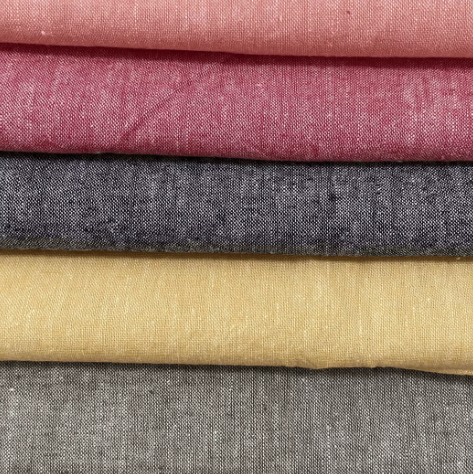
Hemp fabric offers a unique texture that appeals to those who appreciate natural, rustic materials. The fabric has a slightly rugged, earthy feel that adds an authentic touch to garments, making it an ideal choice for both casual wear and more sophisticated pieces. Its natural texture is often described as being somewhere between linen and canvas, offering a versatile look that can fit into various fashion styles.
Whether used in bohemian-inspired clothing or more contemporary, structured pieces, hemp fabric’s aesthetic appeal makes it a standout material. Designers and consumers alike appreciate hemp for its natural, timeless look that complements a wide range of clothing styles.
How Hemp Supports a Circular Fashion Model
Biodegradability of Hemp: A Key to Zero-Waste Fashion
Hemp fabric is fully biodegradable, meaning it will naturally break down over time without contributing to landfill waste. Unlike synthetic fabrics that persist for decades or centuries, hemp fabric decomposes relatively quickly, making it a more environmentally responsible choice for fashion.
This characteristic aligns perfectly with the growing trend of zero-waste fashion, which aims to reduce the environmental impact of discarded garments. As the fashion industry shifts towards more sustainable models, hemp’s natural biodegradability plays a vital role in promoting circular fashion, where materials can be reused, composted, or recycled, thus minimizing waste.
Renewable Growth Cycle: Supporting Sustainable Production and Consumption
Hemp’s rapid growth cycle is another factor that makes it a sustainable material. Unlike cotton, which can take several months to grow, hemp reaches maturity in just 90 to 120 days, allowing for multiple harvests per year in the right climate. This quick growth cycle means that hemp can be produced on a continuous basis without depleting the soil or surrounding ecosystem.
Hemp’s renewable growth cycle is a critical component of a circular fashion model, where sustainable production and consumption are prioritized. Hemp’s ability to regenerate the soil and be harvested multiple times per year ensures that it remains a reliable and sustainable fabric option for the future.
Why Hemp Fabric Is a Future-Proof Material for Sustainable Fashion
Hemp’s Role in Achieving Sustainable Development Goals (SDGs)
Hemp fabric contributes to several Sustainable Development Goals (SDGs), including responsible consumption and production, climate action, and life on land. By choosing hemp, both businesses and consumers can support global sustainability efforts while reducing their environmental footprint. Hemp’s ability to sequester carbon, regenerate soil, and reduce the need for harmful chemicals makes it an ideal material for supporting sustainable development in the fashion industry.
As the demand for eco-friendly materials continues to rise, hemp’s role in achieving these SDGs becomes even more important. By embracing hemp, fashion brands can help create a more sustainable future for both the planet and the industry.
Innovations in Hemp Processing: Cleaner, Faster, and More Efficient Techniques
Recent innovations in hemp processing have made the production of hemp fabric cleaner, faster, and more efficient. Advanced techniques, such as enzyme-based retting, reduce the environmental impact of processing hemp, making it possible to produce high-quality hemp fabric without relying on harmful chemicals or excessive water use.
These advancements ensure that hemp remains a viable and sustainable option for the fashion industry. As processing methods continue to improve, hemp will continue to play a significant role in eco-friendly fashion, offering a material that is both innovative and environmentally responsible.
Conclusion
Hemp fabric is one of the most sustainable and long-lasting materials in fashion. Its low environmental impact, durability, and versatility make it a perfect choice for eco-conscious consumers and brands. By adopting hemp, the fashion industry can reduce its carbon footprint, promote sustainable farming, and support a circular fashion economy.
As more businesses and consumers embrace hemp, this eco-friendly fabric will become a staple in sustainable fashion for years to come. NS HEMP offers premium hemp products that align with these sustainable practices, providing value through high-quality, environmentally friendly fabric solutions.
FAQ
Q: What makes hemp fabric more sustainable than other materials?
A: Hemp fabric stands out due to its low water usage, natural pest resistance, and carbon sequestration. Unlike cotton, hemp requires fewer resources to grow and is biodegradable, making it a superior eco-friendly option.
Q: How long does hemp fabric last compared to cotton?
A: Hemp fabric is much more durable than cotton. It resists wear and tear, maintains its strength after repeated washing, and lasts longer, reducing the need for frequent replacements.
Q: Is hemp fabric better for the environment?
A: Yes, hemp fabric is an environmentally friendly choice. It requires minimal water, uses fewer chemicals, and helps regenerate soil, making it a top choice for sustainable fashion.
Q: Can hemp fabric be used for all types of clothing?
A: Absolutely! Hemp fabric is versatile and can be used for everything from casual wear to luxury fashion. It blends well with other fibers like cotton and bamboo to enhance its softness.
Q: How does hemp fabric compare to synthetic fabrics?
A: Hemp fabric is far more sustainable than synthetic fabrics like polyester. Unlike synthetics, hemp is biodegradable, requires fewer resources, and has a much lower environmental impact.
Q: Is hemp fabric expensive?
A: While hemp fabric can be more expensive than conventional cotton, its durability and eco-friendly nature provide long-term value, especially for those committed to sustainable fashion.


