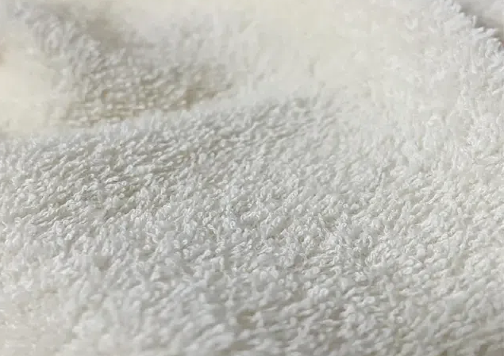
In today’s world, the importance of sustainability has taken center stage in almost every industry. Among the many sectors responding to this call for eco-conscious products, textiles stand out as a crucial area for innovation and change. Towels, a common household textile item, are now being reimagined with sustainability in mind. One material that has gained significant attention for its eco-friendly benefits is hemp towel fabric. This article will explore the environmental appeal of hemp towel fabric and why it is becoming a preferred choice in sustainable textiles.
What is Hemp Towel Fabric?
Hemp towel fabric is made from fibers derived from the stalks of the hemp plant, a variety of the Cannabis sativa species. Unlike its controversial cousin used for recreational purposes, industrial hemp contains minimal levels of THC and is cultivated primarily for its strong fibers. These fibers are spun into yarn and woven or knitted into textiles, including towels.
Hemp fabric is known for its durability, softness, and absorbency, making it highly suitable for towels. But beyond these functional properties, its environmental credentials have driven the fabric’s rising popularity.
Environmental Benefits of Hemp Cultivation
One of the main reasons hemp towel fabric is eco-friendly lies in the way hemp is grown. Hemp is a fast-growing plant that requires significantly less water compared to traditional cotton, which is the dominant fiber in the towel market. For instance, growing a kilogram of cotton can require up to 10,000 liters of water, whereas hemp needs only a fraction of that amount.
Additionally, hemp grows well without the heavy use of pesticides and herbicides. This means fewer chemicals are released into the environment, which benefits soil health and local ecosystems. Hemp’s deep root system also helps prevent soil erosion and improves soil structure by aerating the ground and increasing its nutrient content.
Because hemp is a carbon-negative crop, it absorbs more CO2 from the atmosphere than it emits during cultivation. This helps reduce the overall carbon footprint associated with producing hemp fabrics, contributing positively to climate change mitigation efforts.
Sustainable Processing of Hemp Fabric
The eco-friendly story of hemp doesn’t end with cultivation. The processing of hemp fibers into towel fabric can also be less harmful to the environment when compared to other textiles. Traditional cotton processing often involves energy-intensive bleaching and dyeing, alongside the use of harsh chemicals.
Hemp fibers, on the other hand, are naturally resistant to bacteria and UV light, meaning they require less chemical treatment to maintain quality. When processed with eco-conscious methods such as mechanical decortication (which separates fibers without harsh chemicals) and low-impact dyeing, hemp towels can be produced with minimal environmental impact.
Manufacturers committed to sustainable production also focus on reducing water consumption, recycling process water, and using renewable energy sources, further enhancing hemp’s eco-friendly profile.
Functional Advantages Supporting Sustainability
Hemp towels do more than just help the planet during production. Their inherent functional qualities encourage long-term sustainability. Hemp fibers are exceptionally strong and resistant to wear and tear, which means hemp towels last longer than many cotton or synthetic alternatives. A longer lifespan reduces the frequency of replacement, decreasing waste and resource consumption over time.
In addition, hemp towels have excellent absorbency and quick-drying properties. Towels that dry faster are less likely to develop mildew or require frequent washing, which saves water and energy—two critical resources in textile care.
Hemp fabric is also naturally antimicrobial, reducing the need for chemical fabric softeners or antibacterial treatments. This adds to its appeal for environmentally conscious consumers seeking to minimize chemical use in their homes.
Social and Economic Impacts of Hemp Textile Industry
Supporting hemp towel fabric also means supporting farmers and communities that embrace sustainable agricultural practices. Industrial hemp farming offers economic opportunities in regions where traditional crops are water-intensive or environmentally damaging. Hemp’s versatility as a crop can help diversify incomes and promote rural development.
By investing in hemp textiles, consumers contribute to a supply chain that often prioritizes ethical labor practices and fair trade. Many hemp fabric producers operate in smaller, environmentally focused setups that emphasize transparency, worker safety, and community well-being.
Comparing Hemp Towels to Other Eco-Friendly Alternatives
Hemp towels are part of a growing market of sustainable textile options, including organic cotton, bamboo, and linen. Each has unique environmental profiles. Organic cotton, while chemical-free, still requires more water than hemp. Bamboo, though fast-growing, often undergoes chemically intensive processing unless mechanically treated.
Hemp stands out because it combines low water and chemical needs with superior durability and functional benefits. It offers a balanced solution for consumers wanting quality and sustainability in their towels.
Challenges and Future Outlook
Despite its many benefits, the adoption of hemp towel fabric faces some challenges. The supply chain for hemp textiles is still developing, and processing facilities that handle hemp fiber on a large scale are limited compared to cotton. Consumer awareness is growing but remains lower than for traditional fabrics.
However, the future looks promising. Advances in hemp processing technology and increased demand for sustainable textiles are driving innovation and expansion. Governments and organizations are also supporting hemp cultivation through favorable policies, research grants, and educational initiatives.
As more manufacturers incorporate hemp into their product lines and consumers prioritize green products, hemp towels will likely become more accessible and mainstream.
Conclusion
The eco-friendly appeal of hemp towel fabric is rooted in its sustainable cultivation, low-impact processing, and durable, functional qualities. Compared to conventional textiles, hemp offers a compelling alternative that aligns with the growing global commitment to environmental responsibility. By choosing hemp towels, consumers not only benefit from a high-quality product but also contribute to reducing water usage, minimizing chemical pollution, and supporting ethical agricultural practices.
As the textile industry evolves, hemp towel fabric stands out as a shining example of how traditional materials can be transformed into modern, sustainable solutions. Embracing hemp is a step toward a cleaner, healthier planet and a more conscious approach to everyday living.


