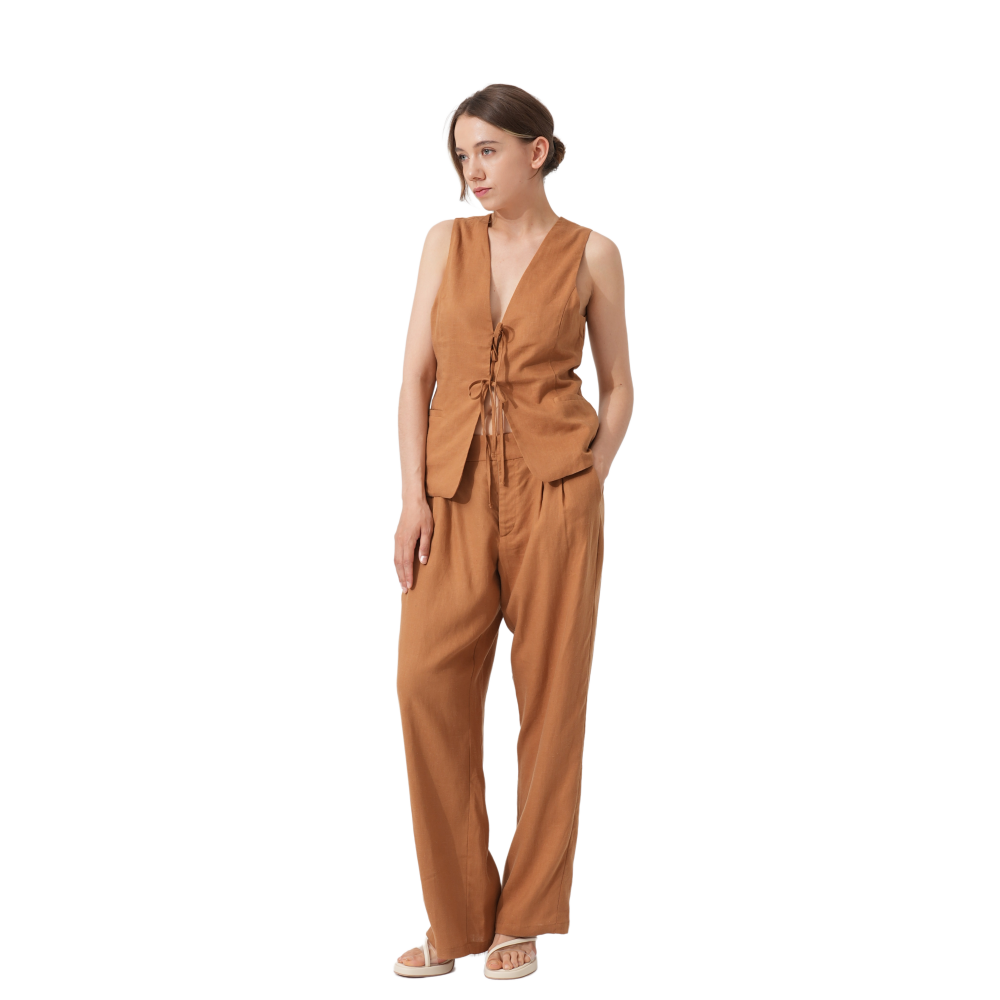
Building a sustainable wardrobe often leads shoppers directly to natural fibers. Transitioning to 100% hemp pants frequently comes with a noticeable learning curve. You might order your usual denim size only to face restricted movement. Unlike synthetic blends utilizing elastane, pure hemp completely lacks stretch.
This rigidity means absolute precision in fit dictates both your daily comfort and the garment's overall durability. Key structural points like rise, leg shape, and length determine how the fabric behaves. Choosing the perfect pair requires moving beyond arbitrary standard sizing labels. You must evaluate garments based on actual structural measurements instead.
This guide breaks down the technical evaluation criteria for selecting hemp trousers. You will learn how to accommodate natural movement, handle initial break-in periods, and successfully avoid common sizing risks. Mastering these details ensures your investment lasts for years.
Key Takeaways
Hemp’s rigid, zero-stretch profile requires prioritizing ease-of-movement in the rise and hip measurements to prevent seam stress.
High-waisted hemp pants offer the best structural anchor for heavier fabric weights, preventing mid-day sagging.
Always account for a 3–5% vertical shrinkage rate when evaluating length and deciding on a hem or "break."
Relaxed-fit hemp pants and straight-leg cuts perform best when paired with gusseted crotches or pleated fronts for mobility.
The Fit Challenge: Why Hemp Behaves Differently
Material Reality vs. Fit Expectations
Pure hemp fibers boast incredible tensile strength. They resist tearing and abrasion exceptionally well. However, they offer zero natural elasticity. Buying your standard synthetic denim size often restricts mobility. Consumers expect modern garments to stretch around their bodies. Hemp forces you to rethink this habit entirely. It relies on architectural ease rather than fabric tension. You must account for physical space inside the garment.
The transition from synthetic blends to natural fibers demands a reset in expectations. Synthetics mask poor tailoring through artificial elasticity. Pure hemp exposes poor tailoring instantly. It highlights the importance of expert pattern making. A skilled designer builds ease directly into the pattern. They use darts, pleats, and gussets to facilitate movement. When you evaluate a pair, look for these structural details. They indicate a brand understands the material's unique properties. Without these features, you rely entirely on oversized fits for comfort.
The Break-in Period
The material softens significantly over time. Regular friction and washing break down rigid plant fibers. You should evaluate the initial fit based on physical structure. Do not judge it by initial stiffness alone. Patience pays off as the fabric molds to your shape. Many first-time buyers return garments prematurely. They mistake temporary stiffness for a permanent sizing flaw.
Success Criteria
A correctly fitted pair should allow a full squat. You must not feel excessive tension on the back rise. Thigh seams should remain free of severe stress. If the fabric pinches sharply, you need a different cut. We recommend testing mobility immediately upon trying them on. Sit in a chair, walk up stairs, and bend over. These actions reveal hidden tension points quickly.
Decoding the Rise: High, Mid, or Low?
High-Rise (11"+)
The rise measurement dictates where the waistband sits on your torso. It plays a massive role in overall comfort. A high rise provides an ideal anchor point. It secures the garment firmly at your natural waist. Managing heavier fabric weights becomes much easier. You avoid needing a tightly cinched belt. It proves excellent for creating a balanced, structured silhouette. The higher waistline prevents the fabric from sliding down. It also offers superior coverage when you bend or sit. High-rise cuts pair exceptionally well with cropped jackets. They visually elongate your legs while keeping your midsection secure.
Mid-Rise (9"–11")
This represents the standard utility fit. The waistband sits just below your navel. Mid-rise pants remain popular for casual, everyday wear. However, they demand precise hip measurements to avoid shifting. It poses a specific risk factor during seated movement. Mid-rise styles can gap at the back waist. An internal drawstring or elastic backing prevents this issue effectively. Without these features, you might experience drafts or discomfort. We suggest checking the back waistband construction carefully. If the hips fit too tight, the mid-rise waistband pulls down when you sit.
Low-Rise (Under 9")
We generally advise against this for rigid 100% hemp. It severely limits mobility across your hips. Low cuts increase crotch blowout risks drastically. Structural tension builds up quickly when you sit or bend. The minimal fabric above the hips provides zero leverage. The lack of stretch makes low-rise designs highly impractical. You will likely feel restricted during basic daily activities. The garment constantly fights your natural body mechanics.
Selecting the Right Leg Shape for Your Use Case
Straight-Leg Cuts
Leg shape determines both aesthetic appeal and functional mobility. Straight-leg styles work beautifully for professional environments. They offer a clean, unbroken line from hip to hem. They offer less inherent room in the thigh area. Buyers must verify the thigh width measurement carefully. Ensure you have at least 1 to 1.5 inches of pinchable fabric. This prevents sudden mobility loss during daily tasks. Straight cuts look incredibly sharp but demand precise sizing. If the thighs fit too snugly, the knees will pull uncomfortably. You need room to bend your knees without the fabric binding.
Relaxed and Wide-Leg Cuts
These capitalize on the fabric's beautiful natural drape. The material weight pulls wider shapes downward. This prevents an unflattering ballooning effect. Relaxed fits dominate the modern sustainable fashion landscape. They evoke a laid-back, effortless aesthetic. They offer a distinct mobility advantage for active users. The fabric experiences minimal friction against your knees. This reduced tension greatly increases the garment's overall lifespan. You gain maximum airflow during warmer months as well. Wide legs also prevent the fabric from trapping body heat.
Tapered/Cropped (Feu de Plancher)
A sharp taper can easily catch on muscular calves. Ensure tapered styles feature a wider upper block. Front pleats serve as a strong indicator of quality here. They allow necessary movement before the leg narrows at the ankle. Tapered styles require careful consideration of your footwear. A sharp taper looks excellent with low-profile sneakers. It often clashes awkwardly with bulky boots. The French term 'feu de plancher' describes this cropped style perfectly. It highlights your footwear while keeping the hem clean. Always check the calf measurement on tapered designs.
Getting the Length Right: Hemming and "The Break"
The Shrinkage Factor (Crucial Risk)
Length adjustments require careful planning and patience. Hemp shrinks vertically up to 5% initially. A hot wash accelerates this inevitable process. Never tailor the length immediately after purchase. Wait until you wash and dry the pants at least once. This crucial rule prevents permanently ruined garments. Many buyers ignore this and end up with unwearable trousers. Always factor in an extra inch of length before tailoring.
Evaluating "The Break"
The break determines where the fabric meets your shoe.
No Break (Cropped): Ideal for lighter summer weights. It prevents premature hem fraying efficiently. The fabric hangs straight down without touching the shoe.
Quarter/Half Break: The perfect sweet spot for medium-weight fabrics. It allows the material to fall cleanly. You avoid excessive, messy bunching around your ankles. A slight fold appears just above the shoe vamp.
Full Break: Avoid this look with heavy hemp entirely. Rigid fabric pools clumsily rather than draping elegantly. It creates a sloppy appearance and damages the hem quickly.
Cuffs and Hems (Ourlets/Revers)
Rolled cuffs work exceptionally well here. Medium-weight hemp possesses excellent structural memory. The inherent stiffness allows cuffs to hold their shape easily. You rarely need to iron them back into place. A simple double roll adds weight to the hem. This helps the trouser leg hang perfectly straight. If you prefer a clean look, request a blind hem from your tailor. This hides the stitching completely and maintains a sleek profile. You can also experiment with different cuff heights. A thick, two-inch cuff anchors a wide-leg pant perfectly. A subtle, one-inch cuff suits a straight-leg cut better. The microscopic fiber variations become more prominent after washing. This adds incredible visual depth to your customized hem.
Construction and Sizing: Shortlisting Your Purchase
Waistband Construction
Quality construction ensures your garment survives the break-in period. When evaluating women's hemp trousers, inspect the waistband closely. Men's utility pants require similar scrutiny. Look specifically for hybrid waistbands bridging two distinct needs. A flat front paired with an elasticated back works wonders. It blends structured aesthetics with zero-stretch comfort perfectly. This design accommodates subtle weight fluctuations seamlessly.
Seam Integrity
Inspect product photos for durable flat-felled seams. Triple-stitching provides excellent reinforcement for heavy use. Single-needle stitching signals a massive red flag. It often leads directly to premature seam failure. The rigid fabric puts immense pressure on weak threads. High-stress areas like the crotch and seat need maximum reinforcement. Pay close attention to the pocket bags as well. Flimsy synthetic pockets ruin the sustainable ethos of a hemp garment. Look for sturdy cotton or hemp canvas pocket linings. Heavy-duty hardware also matters immensely. A cheap zipper will fail long before the hemp fabric wears out. Seek out brass zippers or traditional button flies. Button flies actually work better with rigid fabrics. They distribute tension more evenly across the crotch area. This prevents the unsightly zipper bulge common in stiff trousers.
Hemp Pant Measurement Guidelines
Measurement Point
Why It Matters
Ideal Fit Target
Front Rise
Determines waist anchor point
Sits at or just below natural waist
Thigh Width
Controls walking mobility
1 to 1.5 inches of pinchable fabric
Inseam
Dictates shoe break
Quarter break after first wash
Leg Opening
Affects drape and calf fit
Clears the calf without catching
Next-Step Action
Measure your best-fitting non-stretch pants before buying. Follow this exact process:
Lay your reference pants completely flat on a table.
Measure the waistband straight across the top edge.
Measure the front rise from the crotch seam to the top waistband.
Measure the thigh width two inches below the crotch seam.
Measure the inseam from the crotch to the bottom hem.
Compare these numbers directly against the brand's sizing chart. Ignore arbitrary letter sizing entirely. A medium from one brand rarely matches another.
Conclusion
Investing in natural fibers requires shifting your evaluation mindset. Stop asking if the fabric stretches to fit you. Start asking if the structural cut matches your body mechanics. The right geometry makes all the difference.
Prioritize adequate rise height to secure the garment at your natural waist for daily comfort.
Ensure sufficient thigh clearance over a skin-tight aesthetic to guarantee fabric longevity.
Take accurate measurements of your best-fitting pants before finalizing your next online purchase.
Wash your new trousers at least once before visiting a tailor to account for shrinkage.
Embrace the initial break-in period, knowing the rigid fabric will mold perfectly to your body over time.
FAQ
Q: Should I size up when buying 100% hemp pants?
A: Yes, if you are between sizes or accustomed to elastane blends. If the brand provides a specific measurement chart, choose the size offering 1-2 inches of ease in the hips and thighs compared to your body measurements. This prevents seam blowouts and allows comfortable seating.
Q: How much will hemp pants shrink in length?
A: Depending on whether the garment is pre-washed, expect 3% to 5% shrinkage in the inseam. This equals roughly 1 to 1.5 inches after the first few hot washes. Always wash and dry the garment before hemming it.
Q: Why are my new hemp trousers so stiff?
A: Hemp fibers contain natural lignins making them rigid at first. They require a break-in period of regular wear and washing. After this phase, they soften significantly and mold to your body's shape. Friction is your best friend here.
Q: Can straight-leg hemp pants work for wider hips?
A: Yes, provided the front rise is high enough to sit at the natural waist. The design must incorporate front pleats or a gusseted crotch. This provides necessary volume across the hips without altering the straight-leg silhouette.
We welcome you to join our hemp fashion journey, experience the cool comfort and environmental value of hemp, and jointly support the sustainable development of the fashion industry.