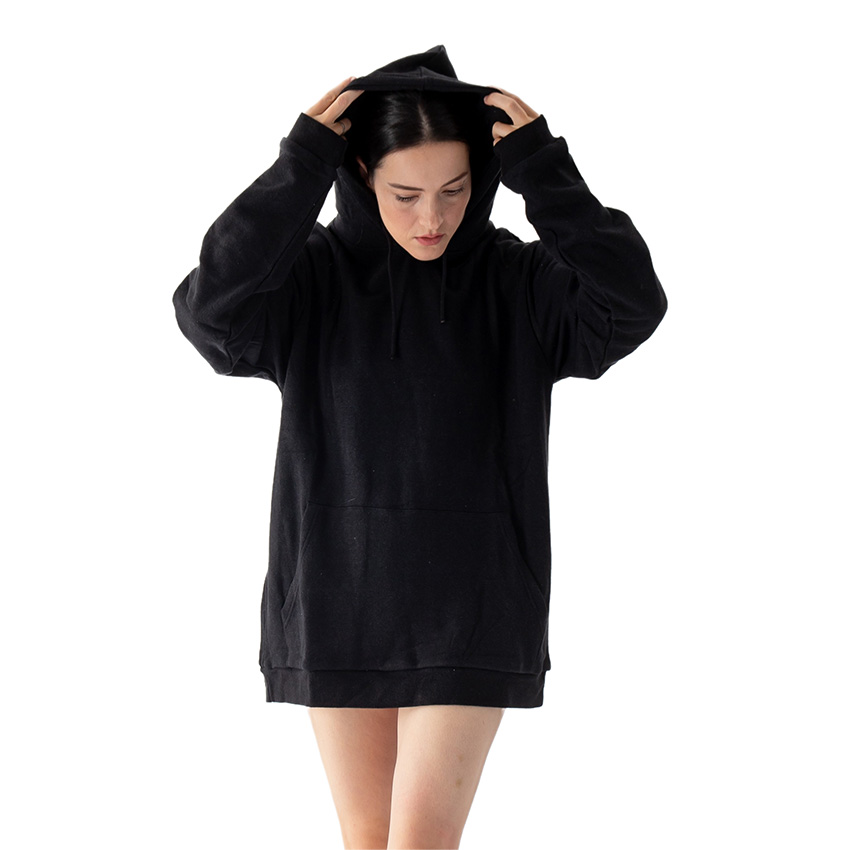
The baseline in wholesale apparel is rapidly shifting. Organic cotton once set sustainable brands apart from their competitors. Today, consumers view organic materials as a basic expectation rather than a premium differentiator. Forward-thinking labels must look beyond conventional eco-friendly fabrics to truly elevate their environmental claims.
Enter the Hemp Hoodie Pullover. It is quickly becoming the new emerging standard for modern streetwear and eco-conscious apparel lines. For B2B buyers, adopting hemp requires careful navigation. You will face higher initial sourcing costs compared to basic cotton. However, these garments offer superior durability, distinct brand positioning, and a verifiable environmental impact.
We created this guide for wholesale buyers, merchandisers, and brand founders. Our goal is to provide a highly transparent framework. We will help you evaluate, source, and price these premium pullovers. You will learn how to balance material realities, vet supply chains, and successfully scale your sustainable product lines.
Key Takeaways
Premium Positioning: Hemp pullovers command a higher retail price point due to superior tensile strength, longevity, and intensive raw material processing.
Material Realities: Buyers must evaluate the trade-offs between 100% hemp (maximum durability/eco-credibility) and hemp-cotton blends (softer initial hand-feel/lower cost).
Supply Chain Verification: True sustainability requires vetting suppliers for fair trade practices, low-impact dyes, and traceable agricultural origins to avoid greenwashing.
Strategic Sourcing: Success in wholesale hemp adoption relies on requesting technical fabric specs (GSM, shrinkage rates) and testing print/embroidery compatibility before scaling order volumes.
The Business Case: Moving Beyond Traditional Organic Cotton
Market demand is evolving. Consumers feel deep fatigue regarding fast fashion cycles. They are increasingly abandoning disposable garments. Instead, they shift toward "slow fashion" investment pieces. Streetwear brands recognize this cultural pivot. Shoppers now expect heavy, durable clothing. They want items designed to last a decade, not just a single season. Hemp perfectly answers this growing consumer demand.
A standard hemp garment outlasts conventional cotton alternatives significantly. This aligns seamlessly with modern circular economy principles. Hemp fibers resist stretching and degradation over time. When a customer buys a hemp garment, they purchase longevity. This lifecycle value proposition is incredibly strong. It allows your brand to market extreme durability alongside environmental responsibility. You are not just selling a sweatshirt. You are selling a long-term wardrobe staple.
However, pricing justification remains a hurdle for many wholesale buyers. Sustainable clothing costs more to produce. You must break down this cost architecture transparently for your customers. To build a strong value narrative, explain the following pricing factors:
Cultivation Practices: Hemp requires minimal water and zero pesticides. However, harvesting the tall stalks requires specialized agricultural equipment.
Bast Fiber Decortication: Extracting the soft inner fibers from the woody exterior is labor-intensive. It demands complex mechanical processing to preserve fiber length.
Fair Labor Standards: Ethical manufacturing facilities pay living wages. This directly increases the cut-and-sew costs.
Brands must translate these structural costs into a compelling consumer story. Emphasize durability and ethical production. Shoppers will gladly pay a premium when they understand the genuine craftsmanship behind the label.
Evaluating Hemp's Material Performance Metrics
You cannot effectively sell hemp apparel without understanding its technical properties. Hemp fibers possess remarkable structural integrity. They boast one of the highest tensile strengths among natural plant fibers. This makes the fabric highly resistant to tearing and fraying. Interestingly, hemp softens beautifully with each wash. It sheds its initial stiffness while maintaining its core structural integrity. Your customers get a garment growing softer and more comfortable over the years.
Thermoregulation is another major selling point. The porous nature of the fiber provides superior moisture-wicking capabilities. A heavy synthetic blend traps sweat against the skin. Hemp pulls moisture away naturally. It allows heat to escape during warmer days while insulating the body during cold weather. This breathability makes hemp an excellent choice for transitional seasons.
Furthermore, hemp offers inherent functional benefits. It naturally resists microbial growth. This prevents the buildup of odor-causing bacteria after heavy use. Hemp also provides excellent UV resistance. These specific traits strongly appeal to outdoor enthusiasts, active individuals, and premium streetwear demographics.
You must also transparently address objective material constraints. Raw hemp fibers often feel stiff upon initial handling. The fabric usually features natural variations, known as slubs, woven throughout the material. Do not hide these characteristics. Frame them as markers of authenticity rather than defects. A slubby texture proves the garment uses natural, minimally processed bast fibers.
Performance Comparison Chart: Hemp vs. Standard Cotton
Performance Metric
100% Hemp Fleece
Standard Cotton Fleece
Tensile Strength
Extremely High (lasts decades)
Moderate (prone to thinning)
Breathability
Excellent (highly porous fibers)
Good (retains some moisture)
Antimicrobial Properties
Naturally inherent
None
Initial Hand-feel
Slightly coarse, softens over time
Immediately soft
100% Hemp vs. Hemp Blends: A Buyer’s Framework
Choosing the right fabric composition dictates your target audience and retail strategy. You must carefully weigh the trade-offs between pure hemp and blended options.
100% Hemp Pullovers
Garments made entirely from pure hemp represent the pinnacle of eco-fashion. They offer maximum durability and unmatched environmental credibility.
Best for: Purist sustainable brands and premium price tiers.
Considerations: These garments feature a heavier drape. They require a longer break-in period for the consumer. You will also encounter a significantly higher wholesale cost due to the intensive milling process.
Hemp/Organic Cotton Blends
Blending hemp with organic cotton (OCS certified) offers a highly commercial compromise. A popular ratio is 55% Hemp mixed with 45% Organic Cotton. This combination merges the strength of hemp with the familiar comfort of cotton.
Best for: Mainstream streetwear labels and brands transitioning into sustainable lines.
Considerations: Blends deliver immediate consumer-friendly softness. They allow for easier color-matching during the dyeing process. Furthermore, blends usually offer more balanced MOQ (Minimum Order Quantity) pricing for growing brands.
GSM Selection Guidelines
Fabric weight deeply impacts the final product. We measure this weight in Grams per Square Meter (GSM). You must select the appropriate GSM based on your seasonal release calendar.
350-450 GSM: Ideal for heavy winter streetwear. This weight provides a structured, boxy drape. It feels incredibly premium and substantial.
250-300 GSM: Best suited for transitional pullovers. This weight works well for spring layering or cool summer evenings. It drapes more softly and fluidly.
Navigating Compliance, Fair Trade, and Greenwashing Risks
Consumers easily spot superficial environmental claims today. To avoid accusations of greenwashing, you must verify your supply chain thoroughly. Traceability requirements sit at the very core of this verification. You must ask your wholesale partners exactly where they source their hemp biomass. Reputable suppliers can trace their fiber back to specific agricultural regions. They provide documentation proving the farmers use no harmful chemical pesticides.
Ethical manufacturing is equally critical. Environmental responsibility means little if human rights are ignored during production. You must prioritize Fair Trade certifications specifically in the cut-and-sew phase. Factory workers handling heavy textiles require safe environments and fair wages. Ensuring social impact matches your environmental claims builds absolute brand trust.
Finally, carefully monitor dyeing and finishing standards. Standard chemical dyes completely negate the eco-benefits of hemp cultivation. Toxic runoff from conventional dye houses destroys local waterways. You must outline strict requirements for your wholesale partners. Demand OEKO-TEX® Standard 100 certification. Alternatively, require GOTS-certified low-impact reactive dyes. These closed-loop dye systems ensure harmful chemicals never reach the environment or the wearer's skin.
How to Vet a Wholesale Partner for Hemp Apparel
Scaling a sustainable apparel line requires finding a reliable manufacturing partner. You cannot afford costly mistakes when dealing with premium fabrics. Your vetting process must be rigorous, technical, and methodical.
Always demand technical spec sheets before committing to a wholesale order. Never purchase a Hemp Hoodie Pullover blindly. You need documented proof of fabric performance. Ask for exact shrinkage tolerances. Request official colorfastness reports to ensure the low-impact dyes will not bleed in the wash. Furthermore, require fabric composition certificates to verify the true percentage of hemp versus cotton.
Supplier Vetting Checklist
Document / Test Required
Why It Matters for Hemp Apparel
Fabric Composition Certificate
Verifies you are getting the exact 55/45 blend or 100% purity you paid for.
Shrinkage Tolerance Report
Hemp shrinks differently than cotton. Prevents sizing disasters post-wash.
Colorfastness Rating
Ensures eco-friendly dyes will not fade rapidly after sun exposure.
OEKO-TEX® / GOTS Certification
Proves the finishing chemicals are non-toxic and environmentally safe.
You must also evaluate customization compatibility. Hemp's natural, slubby texture reacts differently to printing than smooth synthetic fabrics. Ask the supplier about screen printing capabilities. Water-based inks absorb beautifully into coarse fibers, creating a vintage look. Plastisol inks often sit heavily on top and may crack. If you use DTG (Direct-to-Garment) printing, ensure the factory applies proper pretreatment. Additionally, test the fabric's capacity for heavy embroidery. High-GSM hemp handles dense embroidery exceptionally well without puckering.
Navigate MOQs and scaling strategically. Do not rush into high-volume custom manufacturing immediately. Instead, test the market with blank sample runs. Order small batches of blank garments first. Run them through your local print shop. Wash them extensively. Once you confirm the quality, drape, and print adherence, you can confidently scale up to larger custom production runs.
Conclusion
Adding a premium hemp garment to your brand catalog represents a highly strategic business move. You are transitioning toward a high-retention, high-value product line. Customers who experience the durability and breathability of hemp rarely return to cheap synthetics. They become loyal advocates for your brand's commitment to slow fashion.
However, long-term success depends heavily on transparent sourcing practices. You must understand the distinct differences between 100% hemp and cotton blends. Furthermore, you carry the responsibility of educating your end-consumer. You must explain the price-to-value ratio clearly, highlighting ethical manufacturing and extreme longevity.
Take the next practical step today. We strongly encourage wholesale buyers to request a sample kit or a technical spec sheet from a verified supplier. Hold the fabric in your hands. Evaluate the substantial weight, examine the natural drape, and inspect the sturdy construction firsthand. Seeing the physical quality will confirm exactly why hemp is the future of streetwear.
FAQ
Q: How much does a hemp hoodie pullover typically shrink after the first wash?
A: You should expect a standard shrinkage rate of 3% to 5% after the initial wash. Hemp fibers naturally tighten when exposed to water and heat. To account for this, wholesale buyers must slightly oversize their sizing specs. Always advise end-consumers to wash garments in cold water and air dry to minimize this natural contraction.
Q: Can you screen print effectively on 100% hemp fleece?
A: Yes, but it requires specific techniques. Because pure hemp features a highly textured, coarse surface, standard plastisol inks can crack. You must use a proper base layer or opt for water-based inks. Water-based inks sink deeply into the natural fibers. This creates a softer hand-feel and a highly durable, vintage aesthetic that resists peeling.
Q: Why are wholesale MOQs often higher for hemp than for conventional cotton?
A: Hemp requires complex supply chain realities. Milling bast fibers into soft fleece demands specialized, heavy-duty machinery. Additionally, eco-friendly dyeing processes run in large, specialized batches to maintain efficiency. Because fewer mills possess this specific equipment globally, factories enforce higher Minimum Order Quantities to offset their intensive setup and operational costs.
Q: Does hemp clothing require special care instructions?
A: Yes. You must provide clear B2B advice for care tags to maximize garment lifespan. Instruct consumers to use a gentle cold wash cycle. Recommend mild, eco-friendly detergents to protect low-impact dyes. Most importantly, advise against high-heat tumble drying. Air drying flat or on a sturdy hanger preserves the fiber's tensile strength and prevents excessive shrinkage.
We welcome you to join our hemp fashion journey, experience the cool comfort and environmental value of hemp, and jointly support the sustainable development of the fashion industry.