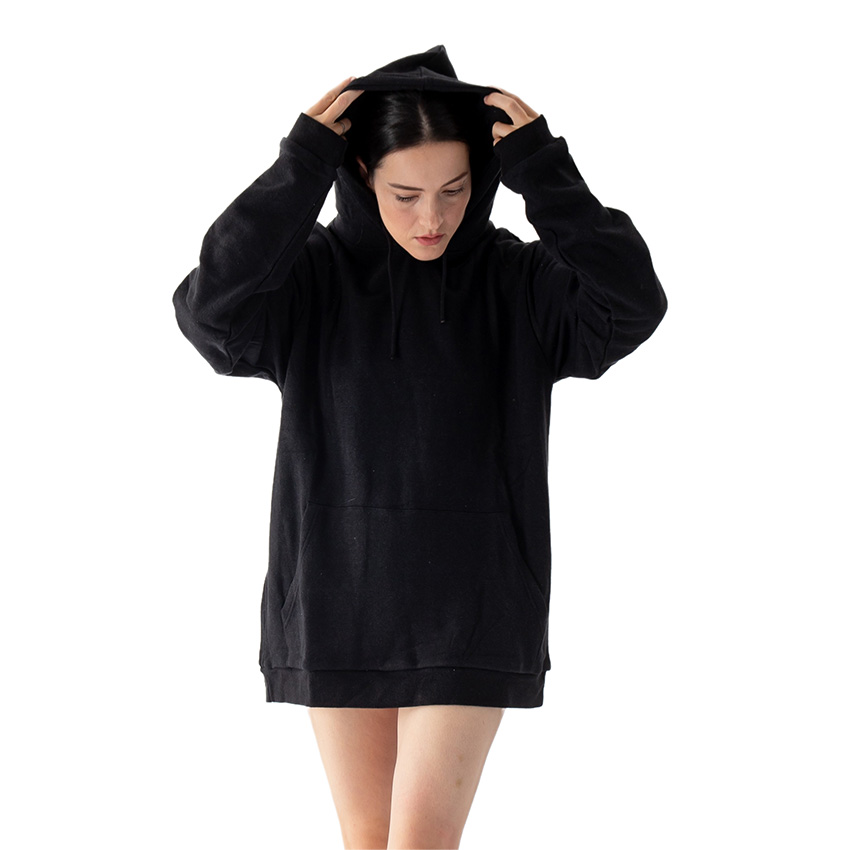
We are witnessing a major shift in sustainable fashion. Once viewed as a counter-culture novelty, Hemp Clothing now stands as a premium, commercially viable staple in modern textiles. Product developers and buyers, however, face a recurring challenge. They often struggle to balance ambitious sustainability claims against actual textile performance, including durability, drape, and raw material costs. Making smart sourcing choices requires looking beyond the marketing fluff.
This article provides an objective, evidence-based evaluation of hemp fabric. It aims to inform your purchasing and sourcing decisions by examining exact physical properties, distinct weave types, and true lifecycle impacts. You will discover how different processing methods dictate fabric quality. We will also explore the critical differences between knits, wovens, and popular blends. Ultimately, you will gain the practical insights needed to successfully integrate this high-performance fiber into your broader product lines.
Key Takeaways
Performance: Hemp is exceptionally durable and highly breathable, but often requires blending with other fibers to reduce initial stiffness and cost.
Categorization: Applications range from heavy-duty hemp woven fabric for outerwear and upholstery to breathable 100% hemp jersey fabric for premium apparel.
Sustainability: Hemp requires significantly less water than cotton, naturally suppresses weeds (eliminating most pesticide needs), and remediates soil, making it a verifiable ESG-friendly material.
Commercial Reality: Supply chain bottlenecks and processing complexities currently position high-quality hemp textiles at a premium price point compared to conventional cotton or synthetics.
The Baseline: How Hemp’s Processing Dictates Fabric Quality
Understanding industrial hemp starts at the botanical level. Buyers must distinguish Cannabis sativa bred specifically for stalk and fiber from its psychoactive cousins. This botanical distinction ensures global compliance and import safety. Industrial hemp contains negligible THC levels, usually capped at 0.3% globally. It complies perfectly with international agricultural and trade regulations. You do not face legal risks when importing correctly certified raw material.
Extraction methods ultimately dictate the final fabric quality. Producers must separate the valuable bast fibers from the woody core. They do this using a process called retting. Field retting relies on natural dew, sun, and bacteria. It takes longer but maintains a very low environmental footprint. Conversely, chemical processing speeds up fiber extraction. It yields a softer initial fiber but relies heavily on harsh enzymes and acidic washes. This approach negatively impacts tensile strength and harms the surrounding environment if wastewater escapes.
Common Mistake: Do not assume all hemp processing is equally sustainable. While the raw plant grows efficiently, buyers face significant sourcing risks if they ignore the extraction phase. Buying blindly can lead to unintended environmental damage.
Best Practice: Always verify supplier processing methods. Seek out closed-loop systems or mechanical processing rather than heavy chemical treatments. Your chosen method must align directly with your brand's environmental, social, and governance (ESG) standards.
Objective Evaluation: The Physical Properties of Hemp Fabric
You must assess features against specific product outcomes. Material limitations matter just as much as marketing highlights. Evaluating hemp requires a balanced, decision-stage lens.
Validated Advantages
Materials science consensus widely supports the superior tensile strength of bast fibers. Hemp holds its shape exceptionally well over time. It resists pilling much better than conventional cotton. Because of its strong cellulose structure, the fabric actually grows softer with each wash rather than degrading. This ensures significant longevity for consumer garments.
Thermoregulation and moisture wicking stand out as primary benefits. Hemp features a unique microstructural porosity. The fibers have hollow cores. This allows the fabric to breathe effectively in the summer heat. It also helps insulate the wearer during winter months. Activewear designers highly value this natural temperature control.
Furthermore, biochemical attributes make hemp naturally resistant to mold, mildew, and odor-causing bacteria. These antimicrobial properties prove crucial when evaluating materials for intimate apparel or intense athletic wear. The dense fiber structure also blocks ultraviolet light efficiently, providing superior natural UV resistance compared to synthetic alternatives.
Implementation Realities & Limitations (The Skeptic's View)
Despite numerous advantages, you must manage practical limitations. Similar to linen, 100% hemp lacks natural elasticity. It creases easily. This wrinkle propensity makes pure hemp challenging for formalwear unless treated or blended. Consumers must accept a more relaxed, textured aesthetic.
The initial texture also poses a hurdle. Pure hemp can feel coarse off-the-roll. It requires proper finishing techniques, mechanical softening, or light enzymatic washing to achieve retail-ready softness. Skipping these steps often results in poor customer feedback.
Finally, cost implications remain a major factor. Slower agricultural processing limits volume. Specialized spinning machinery is required to handle the long, tough fibers. These bottlenecks result in higher raw material costs. You must factor these premiums into your pricing models.
Physical Characteristics Summary
Property Type
Characteristic
Outcome for Product Developers
Tensile Strength
High resistance to tearing and wear.
Excellent garment longevity; less structural failure.
Porosity
Hollow fiber core traps air.
Natural thermoregulation and superior moisture wicking.
Elasticity
Very low mechanical stretch.
High wrinkle propensity; requires ironing or blending.
Surface Texture
Slightly coarse prior to washing.
Requires strategic finishing treatments for softness.
Types of Hemp Textiles: Matching Material to Product Strategy
Choosing the correct fabric structure is vital for commercial success. You must match the material type to your specific product strategy. This shortlisting logic ensures functionality meets consumer expectations.
Woven vs. Knit Structures
The construction method fundamentally changes how the fabric behaves. Hemp woven fabric provides a non-stretch, highly structured material. Common variations include heavy canvas, durable twill, and breathable plain weaves. Because it holds its shape rigidly, woven hemp serves as the ideal choice for outerwear, structured bags, upholstery, and durable shirting.
Conversely, hemp knit fabric utilizes a looped construction. This looping introduces mechanical stretch to an otherwise rigid fiber. Knits are essential for comfortable loungewear, flexible activewear, and everyday staple tees. They drape nicely over the body and allow for unrestrictive movement.
100% Hemp vs. Blends
Product developers frequently choose blends to mitigate costs and improve initial softness. However, pure constructions hold unique value.
100% hemp jersey fabric represents the premium standard in sustainable basics. It offers a distinct, slightly slubby texture and a heavy, satisfying drape. It remains highly breathable but commands a higher retail price due to processing complexities.
Hemp and Organic Cotton: This represents the most commercially scalable blend. It balances the extreme durability of hemp with the immediate softness and familiarity of cotton. It also significantly lowers the overall material cost.
Hemp and Tencel™ or Lyocell: Engineers design this blend for fluid drape and supreme softness. It is ideal for luxury womenswear, flowing dresses, and elevated basics. The wood-pulp fibers perfectly complement hemp's strength.
Hemp and Recycled Polyester: Technical apparel brands utilize this combination heavily. The synthetic component introduces elasticity and rapid-drying properties. Meanwhile, the hemp base reduces the overall reliance on virgin plastics.
The Sustainability Profile: Avoiding Greenwashing
Industry-standard evaluation requires separating genuine impact from greenwashing. You must adopt compliance-aware thinking when marketing these garments. Hemp textiles possess incredibly strong environmental credentials when processed correctly.
First, consider water and land efficiency. Hemp boasts rain-fed viability in many climates. Contrast this massive water footprint reduction against conventionally irrigated cotton, which drains local water tables. Hemp grows densely and rapidly, producing high fiber yields per acre.
Agrochemical reduction represents another major advantage. The plant naturally resists most pests due to its innate biochemical makeup. Furthermore, its dense canopy growth rapidly shades out competing weeds. This completely eliminates the need for toxic synthetic herbicides. Farm workers face significantly lower chemical exposure risks.
Agricultural science also highlights hemp's capability for phytoremediation. Its deep taproots pull heavy metals and toxins from degraded soil. The plant effectively cleans the earth while returning vital nutrients after harvest. This regenerative property makes it a favorite among soil scientists.
Finally, we must evaluate the end-of-life stage. True circular fashion models demand biodegradable materials. When kept unblended and naturally dyed, Hemp Clothing is fully compostable. It breaks down organically without shedding harmful microplastics into global waterways. This metrics-driven biodegradability is essential for brands pushing authentic ESG initiatives.
Common Uses, Scalability, and Next Steps for Sourcing
Scaling these materials requires business problem framing. You must evaluate where the fiber fits best within your current product catalog and how to source it safely.
Primary commercial applications generally fall into three robust categories:
Apparel: Denim alternatives, basic tees, lightweight summerwear, and durable activewear.
Home Goods: Hypoallergenic bedding, absorbent towels, and UV-resistant drapery.
Industrial: High-tensile sailcloth, heavy-duty webbing, and architectural tarps.
When you begin sourcing, apply strict shortlisting logic. Follow these necessary steps:
Determine the acceptable price margin for your end-consumer. If margins are tight, pivot immediately toward cotton blends rather than pure weaves.
Decide between purist sustainability marketing (favoring 100% constructions) versus mass-market tactile appeal (favoring lyocell or cotton blends).
Demand verifiable certifications from all suppliers. Require documentation like GOTS (Global Organic Textile Standard), OCS (Organic Content Standard), or OEKO-TEX. These frameworks verify both organic agricultural origins and non-toxic chemical processing.
Conclusion
Hemp has firmly established itself as far more than just a fleeting eco-trend. It is a high-performance, legacy textile that offers measurable returns in both product durability and environmental impact. By choosing the right weave and processing method, you can deliver exceptional value to your consumers.
Successful adoption requires setting highly accurate expectations. You must prepare your customers for the initial fabric feel and the natural wrinkle behavior of pure constructions. Most importantly, you must utilize strategic blending to hit specific price points and tactile requirements. By applying these objective sourcing strategies, your brand can confidently scale sustainable apparel lines while maintaining premium quality standards.
FAQ
Q: Is hemp fabric as soft as cotton?
A: Unblended hemp is generally coarser than cotton off the roll. However, it undergoes a distinct break-in period, becoming progressively softer with every wash. To solve initial stiffness for retail environments, brands often blend it with organic cotton or utilize mechanical softening treatments before sale.
Q: Does hemp clothing shrink when washed?
A: Yes, it can shrink up to 5% during the first wash if the fabric was not pre-shrunk during manufacturing. To maintain garment dimensions, exact care expectations require washing in cold water and opting for line drying instead of high-heat tumble drying.
Q: Why is hemp fabric more expensive than linen or cotton?
A: The higher cost stems from current supply chain immaturity and slower agricultural processing. Decorticating the tough stalks requires specialized, heavy-duty spinning machinery. Additionally, the yield-to-fiber conversion rates are time-intensive, driving up the raw material premiums before it ever reaches the loom.
Q: Can hemp textiles be recycled?
A: Yes, pure hemp can undergo mechanical recycling, where it is shredded and respun. However, successful recycling relies heavily on monomaterial design. If recyclability is your goal, you must strictly avoid elastane or synthetic blends, which disrupt standard textile recycling facilities.
We welcome you to join our hemp fashion journey, experience the cool comfort and environmental value of hemp, and jointly support the sustainable development of the fashion industry.