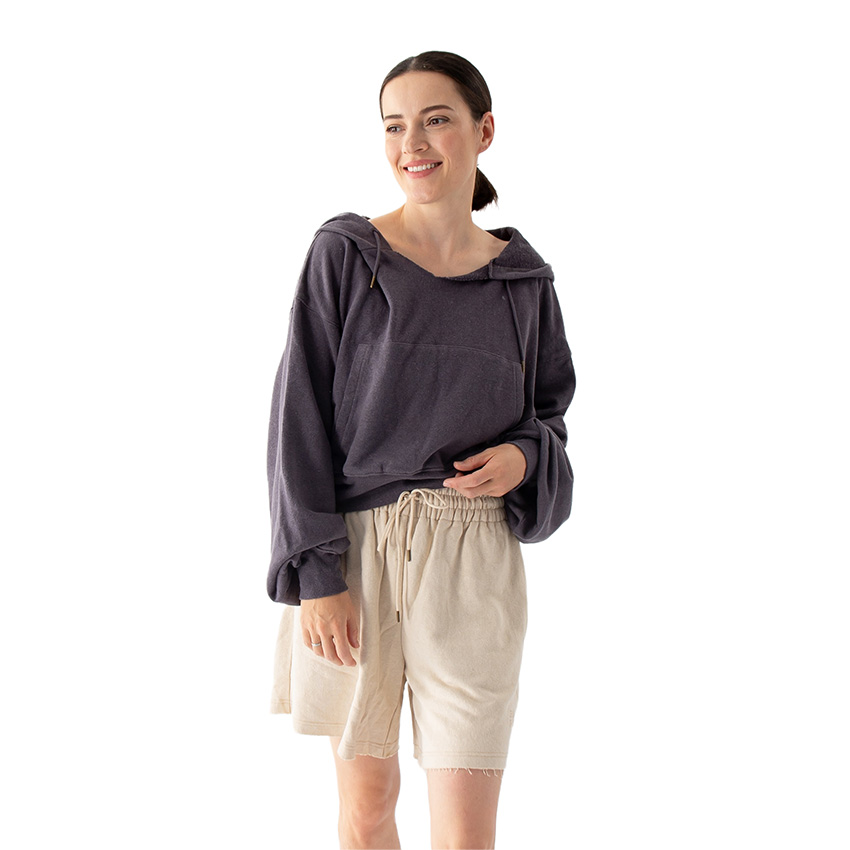
Sustainable fashion often forces a tough choice between lasting durability and everyday comfort. You want clothes built to survive heavy use. You also want them to feel soft against your skin. Buyers evaluating Hemp Clothing need to know if higher upfront costs actually translate to long-term wearability. You might worry these eco-friendly garments will stubbornly feel like wearing a stiff burlap sack. We are here to clear up the confusion.
This guide demystifies how manufacturers process raw plant stalks into premium textiles. We will objectively compare pure hemp against modern blends. This helps you select the exact fabric for your specific lifestyle. We also address the realities you will face. These include wrinkling, break-in periods, and premium pricing. You will leave this guide holding a clear, balanced perspective for your next wardrobe investment.
Key Takeaways
Hemp is a bast fiber requiring minimal water and no synthetic pesticides, making it highly sustainable, but its natural stiffness necessitates careful processing or blending.
100% hemp fabric offers maximum durability, UV resistance, and breathability, though it requires a "break-in" period to soften.
Blends—specifically the hemp organic cotton blend and hemp Tencel fabric—are engineered to solve hemp's rigid drape and initial roughness without sacrificing structural integrity.
Evaluating hemp apparel requires factoring in "cost per wear"; higher initial prices are offset by a lifespan that often exceeds traditional cotton by decades.
The Anatomy of Hemp Fiber: Features to Outcomes
Manufacturers derive hemp from the Cannabis sativa plant stalk. They extract bast fibers from the outer bark. Industrial hemp contains no psychoactive properties. Farmers cultivate it exclusively for agricultural and industrial applications. Understanding this botanical origin helps explain the material's unique physical behavior.
Hemp fibers are exceptionally long and highly porous. These long fibers create high tensile strength. This structural integrity resists tearing. It also prevents surface pilling after repeated washes. The porous nature provides excellent thermoregulation. The fabric traps body heat during winter months. It also breathes effortlessly during hot summer days. You stay comfortable across fluctuating climates.
Established dermatological testing reveals impressive health metrics. Hemp naturally resists mold and mildew. Bacteria struggle to colonize on the material. It also blocks broad-spectrum UV rays better than traditional cotton. This makes it an excellent choice for sensitive skin. It protects you during prolonged outdoor exposure.
Eco-conscious buyers appreciate the strong environmental baseline. Hemp crops practice phytoremediation. They actively heal damaged soil by absorbing toxins. They require minimal water for cultivation. Farmers do not need harsh synthetic pesticides. This establishes a high ESG value for sustainable wardrobes.
Evaluating Hemp Fabric Varieties: Pure vs. Blends
Choosing the right textile requires a clear decision framework. You must evaluate comfort requirements, desired drape, and intended daily use. Blending techniques have revolutionized sustainable fashion. They solve traditional stiffness issues while preserving core strength.
Fabric Application Matrix
Material Type
Primary Advantage
Notable Trade-off
Best Applications
Pure Hemp
Maximum longevity and UV protection
Stiff initial texture; wrinkles easily
Workwear, summer shirts, home goods
Hemp Organic Cotton
Immediate familiar softness
Slightly lower tensile strength
T-shirts, loungewear, undergarments
Hemp Tencel
Silky drape and fluid movement
Requires careful, gentle laundering
Evening wear, blouses, wide-leg pants
100% Hemp Fabric
Pure hemp delivers maximum longevity. It boasts the highest UV and antimicrobial properties available in natural textiles. 100% hemp fabric gets progressively softer after every wash cycle. It achieves this without losing underlying fiber strength. You earn a custom fit over time.
However, consumers must accept certain realities. Pure hemp shares a high propensity to wrinkle. It behaves very similarly to linen. The initial texture often feels quite stiff right off the rack. It commands the highest retail price point due to complex processing.
This material excels in specific categories. Use it for unstructured summer shirts. It performs brilliantly for heavy-duty workwear. It also dominates high-end home textiles where durability is paramount.
Hemp Organic Cotton Blend
Textile engineers created this blend to solve immediate comfort issues. A hemp organic cotton blend balances rugged durability against familiar softness. You avoid the lengthy break-in period. The addition of cotton significantly reduces the severity of daily wrinkling.
You do face minor compromises. The blend has slightly lower tensile strength than pure hemp. Its overall lifespan is marginally shorter. Cotton also introduces a higher water footprint during agricultural production.
This balanced fabric fits perfectly into daily routines. We recommend it for everyday t-shirts. It works beautifully for comfortable loungewear. It provides excellent breathability for daily undergarments.
Hemp Tencel Fabric
Tencel, or lyocell, transforms hemp into a luxury textile. Mixing these fibers adds a silky drape. A hemp Tencel fabric features a slight sheen. It offers excellent moisture management. Manufacturers create a lightweight, fluid fabric feeling premium against your skin.
The reality is a more delicate garment. The fabric demands careful laundering. You must handle it gently to prevent long-term fiber damage. High heat can degrade the Tencel components prematurely.
Reserve this blend for elevated occasions. It shines in evening wear. It suits tailored blouses perfectly. Designers use it for wide-leg trousers and high-movement summer clothing.
Navigating Weaves and Weights
Fabric weight dictates garment performance. Manufacturers weave raw materials into different densities. You must match the fabric weight to your intended activity.
Lightweight (Jerseys and Muslins): These weaves are ideal for close-to-body base layers. They offer high breathability. However, tailors must use careful stitching techniques. Poor construction can cause lightweight hemp to warp along the seams.
Midweight (Twills and Flannels): This category balances structure and comfort. Brands use midweight weaves for standard button-down shirts. They work well for transition-weather pants. They hold their shape while allowing adequate airflow.
Heavyweight: This weave prioritizes absolute protection. hemp canvas fabric is extremely dense. It feels rigid and behaves as a nearly weatherproof barrier. Manufacturers use it for rugged backpacks, winter outerwear, sneakers, and chore jackets. It operates as a highly sustainable alternative to synthetic cordura. It easily replaces heavy cotton duck canvas.
Addressing the "Too Good to Be True" Myths (Consumer Risks)
Consumers often encounter conflicting information. Sustainable marketing sometimes hides practical drawbacks. We must evaluate these common risks objectively.
Many buyers complain about the comfort risk. Raw hemp can indeed feel scratchy upon first wear. You must set realistic expectations. The garment requires mechanical breakdown. Washing the item multiple times softens the rigid fibers. The fabric relaxes as you wear it. Patience yields a incredibly soft, custom-fitting garment.
The shrinkage reality surprises many new buyers. Unblended, non-pre-washed hemp reacts aggressively to hot water. It can shrink between 5% and 10% during its first cycle. You must read labels carefully. Seek out "pre-shrunk" tags before purchasing. If a garment is untreated, always consider sizing up.
The price objection remains a major hurdle. Hemp production demands labor-intensive processes. Workers must execute complex decortication to strip the stalks. They perform time-consuming degumming to clean the fibers. Processing facilities remain scarce globally. You must view the high retail cost through a different lens. Calculate your cost per wear. A properly maintained hemp garment boasts a 10-year lifespan. This incredible longevity delivers an exceptional return on your clothing investment.
Implementation: Care and Maintenance for Maximum ROI
Proper maintenance protects your investment. You can easily maximize the lifespan of your garments. Follow these non-negotiable care guidelines.
Washing Protocol: Always use cold water. Select gentle machine cycles. Harsh agitation damages natural fibers over time. Cold water prevents unexpected shrinkage. It also preserves natural dyes.
Drying Rules: Avoid high-heat tumble drying entirely. Intense heat bakes natural fibers. They become brittle and prone to snapping. Line drying is strongly recommended. Hanging clothes maintains fiber shape. It prevents accelerated wear and tear.
Wrinkle Management: Natural fibers crease easily. Do not use high-heat direct ironing. Dry heat can permanently scorch the material. Use a garment steamer instead. The gentle moisture relaxes the weave safely. If you must iron, do it while the fabric remains slightly damp.
Conclusion
Building a sustainable wardrobe requires strategic choices. Pure hemp guarantees heritage-level longevity and superior summer breathability. It maximizes your environmental impact. Choose cotton blends for everyday casual wear. They provide immediate comfort without the frustrating break-in period. Opt for Tencel blends when navigating travel or office settings. They deliver a refined, professional drape.
Take action before your next purchase. Always check garment tags for exact blend percentages. Look for verified brand sourcing certifications. GOTS and Oeko-Tex labels guarantee safe, ethical production. Treat your garments properly, and they will serve you for decades.
FAQ
Q: Does 100% hemp clothing shrink?
A: Yes, it shrinks significantly if exposed to heat. Unblended hemp can shrink up to 10% in hot water or a hot dryer. You must always wash these garments in cold water. Air dry them unless the brand explicitly labels the item as pre-shrunk.
Q: Is hemp clothing itchy?
A: It can feel itchy initially. Raw fibers are naturally stiff. However, the mechanical breakdown during washing softens the garment over time. Each wear and wash cycle relaxes the weave. The fabric eventually becomes incredibly soft against your skin.
Q: Why is hemp clothing more expensive than cotton?
A: The high price stems from production complexities. Processing facilities remain scarce. Extracting bast fibers requires labor-intensive decortication. Global crop yields are currently lower than heavily subsidized conventional cotton. You are paying for premium durability and sustainable farming practices.
Q: Are hemp and linen the same?
A: No. They come from completely different plants. Hemp comes from the cannabis plant. Linen derives from flax. Hemp is generally denser and longer-lasting. It blocks more UV light. However, they do share a similar natural aesthetic and a strong tendency to wrinkle.
We welcome you to join our hemp fashion journey, experience the cool comfort and environmental value of hemp, and jointly support the sustainable development of the fashion industry.