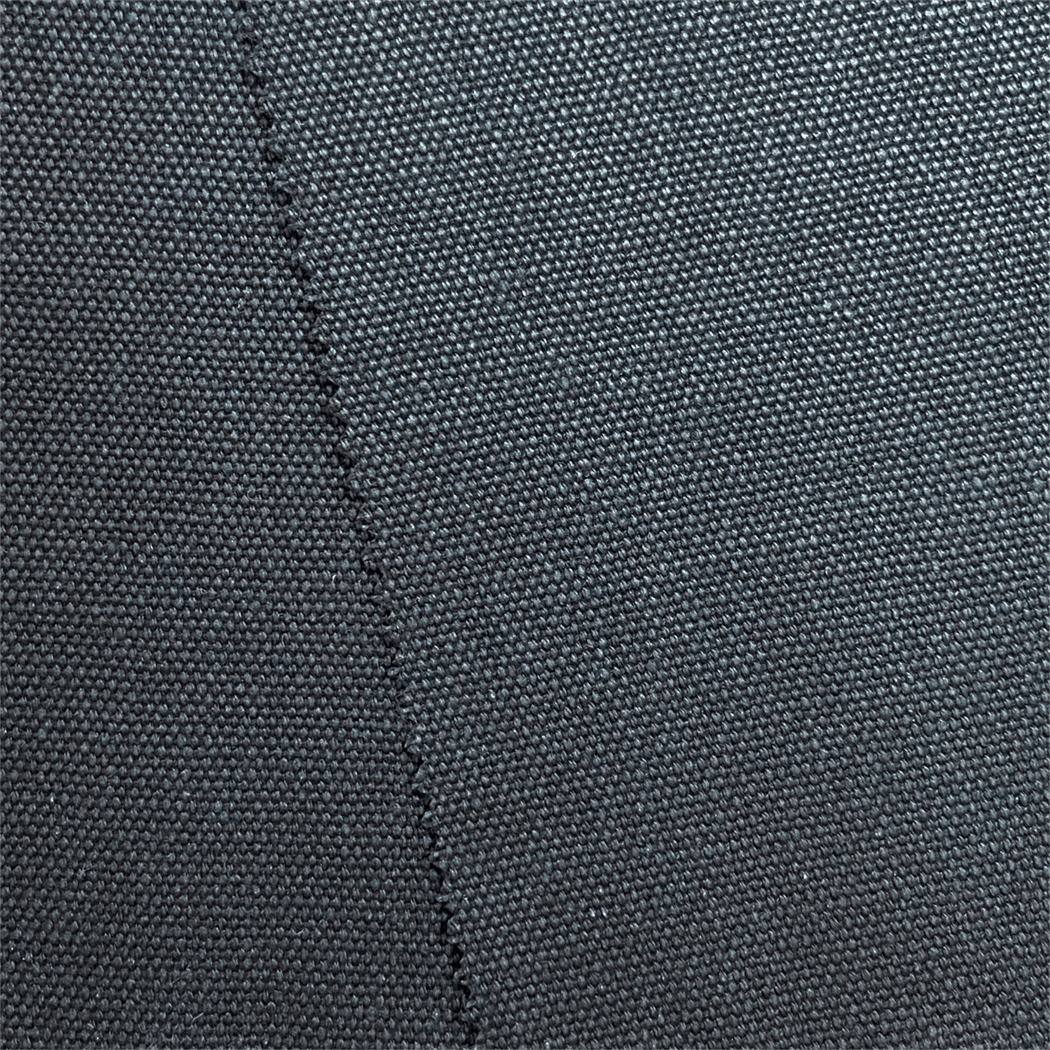
The modern textile industry faces mounting pressure to innovate. Brands increasingly seek materials balancing ecological responsibility with industrial-grade strength. Consumers demand sustainable goods that actually last. Unfortunately, many flimsy eco-fabrics fail under rigorous use. This leaves manufacturers searching for truly reliable alternatives. Standard materials often force a compromise between durability and environmental footprint. We introduce Hemp Canvas Fabric as a high-performance solution. It goes beyond being a simple eco-friendly substitute. It serves as a superior foundational material for structured apparel and heavy-duty accessories. In this article, you will discover a realistic, evidence-based evaluation of this textile. We will explore its commercial properties, practical application use cases, and critical sourcing considerations. You will learn exactly how to leverage this heavy-duty material for your next production run.
Key Takeaways
**Definition:** Hemp canvas is a heavy-duty, plain-weave textile prized for its exceptional tensile strength and longevity.
**Performance vs. Cotton:** It offers significantly higher abrasion resistance, lower water consumption during cultivation, and natural UV protection, though it typically requires a break-in period for softness.
**Core Applications:** Ideal for structured hemp clothing (workwear, outerwear), bags, footwear, and utility accessories.
**Sourcing Reality:** Procurement requires navigating higher upfront costs and managing specific dyeing/shrinkage behaviors, often mitigated by utilizing hemp-cotton blends.
The Physical and Commercial Properties of Hemp Canvas Fabric
Composition & Weave
Manufacturers spin this textile from the long bast fibers of the Cannabis sativa plant. These fibers grow in the stalk, providing remarkable natural rigidity. Mills typically weave the spun yarn into a tight, plain weave. Industry professionals often refer to this specific construction as canvas or duck. The over-under interlacing pattern creates a dense, flat surface. This structure naturally repels light wind and physical abrasion. You will find it lacks the diagonal ridges seen in twill, maximizing surface-level strength.
Weight & GSM (Grams per Square Meter)
You must select the correct fabric weight to ensure product success. Commercial suppliers categorize this textile by ounces per square yard or GSM. Different weights serve entirely different commercial functions.
Lightweight Apparel Canvas (7-9 oz / 230-300 GSM): Designers use this for shirts, lightweight summer jackets, and casual structured pants.
Midweight Canvas (10-14 oz / 340-475 GSM): This range works perfectly for heavy chore coats, rugged trousers, and everyday tote bags.
Heavy-Duty Accessory Grades (15-24 oz / 500-800+ GSM): Manufacturers reserve these extreme weights for luggage, industrial aprons, and outdoor gear.
Structural Integrity
Data consistently highlights the exceptional physical traits of this material. The long bast fibers boast an incredibly high tensile strength. They resist stretching, even under heavy tension. This makes it a superior Hemp Woven Fabric for load-bearing applications. Standard yarns deform when you apply continuous weight. Hemp retains its dimensional stability. If you manufacture backpacks or heavy-duty duffels, this resistance to mechanical fatigue prevents premature product failure.
Thermal & Moisture Profile
Synthetics often trap heat and sweat against the body. Hemp acts completely differently. The natural fibers feature a highly porous internal structure. This porosity delivers excellent breathability and thermal regulation. The fabric pulls moisture away from the skin and pushes it outward for rapid evaporation. Consumers experience superior cooling in hot environments. Despite its dense weave, the inherent wicking capabilities outperform heavy cotton and nylon equivalents.
Hemp Canvas vs. Cotton Canvas: An Evaluation Framework
Material Comparison Chart
Feature
Hemp Canvas
Standard Cotton Canvas
Fiber Length
Long staple (bast fiber)
Short staple (seed hair)
Abrasion Resistance
Exceptionally high
Moderate
Initial Handfeel
Stiff, requires break-in
Soft and pliable
Water Requirements
Minimal (rain-fed)
High (requires irrigation)
Durability and Lifespan
You must evaluate fiber length to understand textile strength. Cotton produces short seed hair fibers. Hemp produces long, robust stem fibers. These longer strands require fewer connection points when spun into yarn. Fewer connection points mean fewer weak spots. Consequently, the fabric easily outlasts standard cotton equivalents. Garments and bags resist tears and punctures far longer. Your customers receive products boasting multi-year lifespans, justifying premium price points.
Environmental Footprint
The agricultural contrast between these two crops is stark. Conventional cotton cultivation demands immense irrigation and heavy pesticide application. Hemp grows densely, naturally suppressing weeds. It yields significantly more usable fiber per acre. Farmers typically rely solely on natural rainfall to cultivate it. It requires virtually no chemical pesticides or synthetic fertilizers. When you transition your production lines to this material, you drastically reduce your brand's carbon and water footprint.
The Comfort/Softness Tradeoff
We must address the primary commercial drawback transparently. Raw, unwashed hemp feels initially stiff. It lacks the immediate plushness of cotton. However, this stiffness is temporary. The material softens progressively through washing and mechanical wear. As customers wear the garments, the natural lignin breaks down slightly. This creates a custom, draped fit. Importantly, the textile achieves this softness without losing its underlying structural integrity.
Best Practice: Pre-wash your rolls using enzyme treatments before cutting and sewing. This accelerates the softening process for the end consumer.
Cost-to-Lifecycle Ratio
Procurement managers often hesitate at the higher upfront material costs. You pay more per yard compared to conventional cotton. However, you must frame this cost against the extended lifecycle. A jacket that lasts ten years commands a higher retail price than one lasting two years. You position the final product in the premium market segment. The superior longevity easily offsets the initial sourcing premium.
Core Uses for Apparel and Accessories
Structured Hemp Clothing
Workwear and Outerwear: Industrial environments demand textiles capable of surviving daily abuse. Brands frequently utilize this material for chore coats, utility trousers, and workshop aprons. Abrasion resistance serves as the primary success criterion here. The fabric easily deflects sharp tools, rough surfaces, and heavy friction. By integrating durable Hemp Clothing into your workwear lines, you provide professionals with gear they can genuinely rely on.
Tailored/Heavyweight Casual Wear: Modern fashion values architectural silhouettes. Designers leverage the fabric for structured jackets and heavy overshirts. The material holds a rigid drape beautifully. It resists collapsing or losing shape after repeated wear. This shape retention guarantees the garment looks intentional and tailored long after the customer purchases it.
Bags, Backpacks, and Luggage
Load-Bearing Accessories: Bag manufacturers actively seek out this material. Tote bags, duffels, and backpacks carry heavy, concentrated loads. The superior seam strength prevents the fabric from tearing at stress points. You avoid the catastrophic bottom blowouts common in cheaper bags. The high tensile strength distributes weight evenly across the woven surface.
Hardware Compatibility: Heavy bags require heavy hardware. Zippers, metal rivets, and thick webbing straps place immense local stress on the base fabric. Hemp securely anchors this hardware. It prevents rivets from pulling through the weave. You can utilize reinforced stitching techniques without worrying about needle-puncture failures.
Footwear and Small Accessories
Sneaker Uppers and Espadrilles: Shoemakers prize natural breathability. Synthetic sneaker uppers trap sweat, fostering bacterial growth and foul odors. Integrating breathable, moisture-wicking Hemp Textiles solves this issue entirely. The fabric keeps the foot cool and dry. It naturally resists odor build-up, making it perfect for summer footwear and casual espadrilles.
Hats and Belts: Outdoor accessories endure constant sunlight exposure. Standard fabrics suffer rapid UV degradation. They fade, weaken, and eventually disintegrate. Hemp inherently resists UV damage. It protects the wearer while maintaining its own structural integrity. This makes it an exceptional choice for utility belts, sun hats, and outdoor gear.
Health, Compliance, and Eco-Footprint
Dermatological/Health Profile
Consumers increasingly prioritize skin-safe materials. General dermatological consensus recognizes natural bast fibers as highly skin-friendly. The fabric is naturally hypoallergenic. It rarely triggers contact dermatitis or allergic reactions. Furthermore, the fiber exhibits mild inherent antimicrobial properties. It does not harbor dust mites or bacterial colonies as easily as synthetic fleeces. This makes it an excellent option for individuals suffering from sensitive skin.
Mildew and Rot Resistance
Moisture ruins conventional fabrics. Mold and mildew quickly consume cotton left in damp environments. Hemp performs exceptionally well in high humidity. It naturally resists mold, mildew, and fungal rot. The lack of available starches in the processed fiber deprives fungi of a food source. You can confidently deploy this material for marine accessories, camping gear, and outdoor patio applications.
Compliance and Certifications
Greenwashing accusations can destroy a brand's reputation. You must verify supplier claims rigorously. Advise your sourcing teams to mandate specific certifications during the vetting process.
Oeko-Tex Standard 100: Ensure the mill uses non-toxic dyes. This certification guarantees the final textile contains no harmful chemical residues.
GOTS (Global Organic Textile Standard): If you purchase blended fabrics containing organic cotton, demand this certification to verify the organic supply chain.
Traceability Audits: Request documentation proving the geographic origin of the raw fiber to ensure ethical labor practices.
Common Mistake: Failing to verify the chemical safety of the dye house. Raw eco-fibers lose their environmental credibility if processed using toxic heavy-metal dyes.
Implementation Risks and Sourcing Considerations for Brands
Pure Hemp vs. Blends
You face a distinct choice during product development. Do you use 100% pure fiber or a blend? Pure canvas delivers maximum strength and the highest eco-credentials. However, it feels stiff on the retail rack. Many brands substitute pure rolls with strategic blends. A 55% hemp and 45% organic cotton mix is highly popular. The cotton provides immediate softness. The hemp maintains durability. This blend effectively lowers the barrier to consumer adoption while preserving core performance benefits.
Dyeing and Colorfastness
The fibers absorb liquids rapidly. While it takes dye well, its high absorbency demands precise dye formulations. Reactive dyes generally yield the best results. You must manage consumer expectations regarding colorfastness. Raw, untreated natural finishes may experience subtle color fading over time. They develop a unique patina. Warn your design team about this fading characteristic. Use it as a marketing asset rather than a defect, similar to raw denim.
Shrinkage Management
Dimensional instability poses a massive risk to apparel manufacturers. Unwashed, raw canvas shrinks aggressively upon initial laundering. You can expect dimensional loss to alter garment fit completely if ignored. You have two reliable solutions. First, source pre-shrunk (sanforized) fabric directly from the mill. Second, calculate a strict 3-5% shrinkage tolerance into your apparel patterns. Always cut slightly large if working with raw yardage.
Supplier Shortlisting
Finding a reliable mill requires diligent vetting. Global processing infrastructure remains limited compared to the massive cotton industry. When shortlisting suppliers, evaluate their Minimum Order Quantities (MOQs). Many specialty mills demand high MOQs to run custom weights. Request verifiable chain of custody documentation. Test their communication speed and willingness to provide small sample yardage. A transparent supplier will gladly share their fiber origin data.
Best Practice: Always order a 5-yard sample roll. Run it through your specific factory machines to test needle tension and thread compatibility before ordering bulk.
Conclusion
Transitioning your product lines requires careful planning and realistic expectations. The material demands specialized processing, precise shrinkage management, and a higher initial sourcing budget. You must adjust your manufacturing protocols to handle its unique physical traits. However, the commercial rewards easily justify the effort.
Embrace Durability: You gain a textile that vastly outlasts cotton, preventing premature product failure.
Leverage Eco-Credentials: You secure a verifiable, low-impact material that resonates deeply with conscious consumers.
Actionable Next Steps: Order fabric swatches immediately. Conduct in-house tear strength evaluations. Run sample wash tests to gauge shrinkage and monitor the softening process before you commit to bulk production rolls.
FAQ
Q: Is hemp canvas fabric naturally waterproof?
A: No, it is highly absorbent. However, the tight weave repels light moisture. You can easily and effectively treat it with natural waxes or eco-friendly DWR (Durable Water Repellent) finishes to achieve full water resistance.
Q: How much does hemp canvas shrink?
A: Untreated yardage can shrink anywhere from 3% to 8% upon the first hot wash. Pre-washing the material or buying pre-shrunk (sanforized) yardage from your supplier is mandatory before cutting apparel patterns.
Q: How do you soften raw hemp canvas for clothing?
A: Manufacturers utilize mechanical softening machines or enzyme washes during the production stage. For the end consumer, the fabric softens naturally through repeated physical use, body heat, and routine laundering.
Q: Why is hemp canvas generally more expensive than cotton?
A: It carries a higher price due to specialized decortication processing required to separate the tough bast fibers. Additionally, limited global processing infrastructure results in lower economies of scale compared to the massive cotton industry.
We welcome you to join our hemp fashion journey, experience the cool comfort and environmental value of hemp, and jointly support the sustainable development of the fashion industry.