Introduction
Hemp fabric is taking the fashion world by storm. Why is this eco-friendly material gaining so much attention?
With its impressive durability, sustainability, and environmental benefits, hemp fabric is an attractive choice for consumers. In this article, we will explore the key advantages of hemp clothing and why it's becoming the go-to fabric for a greener future.
Understanding Hemp Fabric: A Sustainable Textile Choice
What Exactly is Hemp Fabric?
Hemp fabric is made from the fibers of the Cannabis sativa plant, specifically from the plant’s stalks. Unlike its psychoactive cousin, marijuana, hemp contains very low levels of tetrahydrocannabinol (THC), making it a perfectly safe and non-intoxicating material. For centuries, hemp has been utilized for its strength and durability, making it an ideal fiber for textiles. Hemp fabric has been used throughout history for a variety of products, from ropes to sails, and now it’s making a return as a favored fabric for eco-conscious clothing.
While hemp was a staple in fabric production up until the early 20th century, its popularity waned due to misconceptions surrounding cannabis and legal restrictions. However, as sustainable fabrics gain traction and more consumers demand eco-friendly options, hemp fabric has made a remarkable comeback. With its numerous advantages, hemp fabric has been recognized as a valuable textile in today’s fashion industry, offering both environmental and practical benefits.
The Process of Making Hemp Fabric
Hemp fabric begins its journey with the extraction of fibers from the hemp plant’s stalks. The outer layers, known as bast fibers, are separated from the woody core, which is used for other purposes like building materials or fuel. These fibers are then softened through a process called retting, where they are left in water for several weeks to naturally separate. After this, the fibers are spun into yarn, woven into fabric, and treated for various uses. The quality and strength of the resulting hemp fabric make it an excellent choice for producing durable and comfortable clothing.
One of the key advantages of hemp cultivation is its minimal environmental impact. Unlike cotton, which requires vast amounts of water and pesticides, hemp grows efficiently and thrives with little to no external chemical input. This makes hemp a much more sustainable option for fabric production. Additionally, hemp plants naturally replenish the soil they grow in, reducing the need for chemical fertilizers and making hemp an excellent crop for sustainable farming practices.
The Key Benefits of Wearing Hemp Clothing
Exceptional Durability and Strength of Hemp Fabric
Hemp fabric is renowned for its exceptional strength, which is one of the primary reasons it is ideal for long-lasting clothing. Hemp is three to four times stronger than cotton, making it highly resistant to wear and tear. This added durability means that hemp clothing can withstand frequent washing and daily use without losing its shape or integrity. Hemp fabric is perfect for activewear, outdoor clothing, and even workwear, as it stands up to tough conditions while maintaining its form.
For consumers seeking high-quality clothing that offers both longevity and resilience, hemp’s robust fibers ensure that their garments will last longer than typical cotton or synthetic fabrics. Hemp clothing also becomes softer with each wash, offering a balance of durability and comfort that few other fabrics can match.
| Property | Hemp Fabric | Cotton Fabric |
| Strength | 3-4 times stronger than cotton | Less durable, weaker fibers |
| Resistance to Abrasion | High resistance, longer-lasting | Wears out quickly with frequent use |
| Shrinkage | Minimal shrinkage, maintains shape | Tends to shrink significantly after washing |
| Wear & Tear | Resistant to stretching and fraying | Prone to wear and tear over time |
| Softness | Becomes softer over time, without losing strength | Softens but can lose structure after multiple washes |
Comfort and Breathability: Why Hemp is Perfect for Any Weather
Another key benefit of hemp fabric is its breathability. Hemp naturally allows air to flow through its fibers, which helps regulate body temperature, ensuring comfort in a wide range of weather conditions. In hot weather, hemp clothing keeps you cool by allowing moisture to evaporate quickly, helping to keep your skin dry. In colder conditions, hemp acts as an insulating fabric, helping to keep you warm.
Hemp’s moisture-wicking properties make it an ideal fabric for outdoor activities and sports. Unlike cotton, which tends to retain moisture and become heavy when wet, hemp fabric pulls sweat away from the body and allows it to evaporate quickly. This helps to keep you dry, comfortable, and free from the discomfort that often accompanies sweaty clothing. As a result, hemp fabric is an excellent choice for people who enjoy outdoor activities like hiking, running, or yoga.
Hypoallergenic and Antimicrobial Properties of Hemp Clothing
For individuals with sensitive skin, hemp clothing is a great choice due to its hypoallergenic properties. Hemp is naturally resistant to bacteria and fungi, making it an antimicrobial fabric that helps prevent odors and skin irritation. This is especially beneficial for people with conditions like eczema or allergies, as hemp fabric won’t irritate the skin like other fabrics. Unlike synthetic fabrics, which often contain harsh chemicals, hemp fabric is gentle on the skin, making it a preferred option for those who suffer from skin sensitivities.
The antibacterial properties of hemp also contribute to a fresher, longer-lasting garment. With less frequent washing required, hemp clothing stays cleaner and more hygienic over time, reducing the need for chemical-laden detergents and contributing to better overall hygiene. The natural antimicrobial nature of hemp fabric makes it ideal for use in undergarments, socks, and activewear.
Eco-Friendly Benefits: How Hemp Clothing Helps the Planet
Hemp’s environmental benefits are one of the main reasons why it has garnered so much attention in recent years. Hemp requires significantly less water than cotton to grow, and it is naturally resistant to pests, meaning it doesn't need the heavy use of pesticides and fertilizers. Additionally, hemp helps regenerate soil, as it leaves the ground richer in nutrients after harvest. This makes it a much more sustainable crop compared to cotton, which depletes the soil of essential nutrients over time.
Hemp is also an exceptional carbon sink, absorbing more CO2 than trees during its growth cycle. This makes hemp a crucial crop in the fight against climate change, as it helps mitigate the effects of greenhouse gases while producing a renewable resource. Furthermore, hemp is biodegradable and compostable, which means that hemp-based clothing won’t contribute to landfill waste when it reaches the end of its lifecycle. Choosing hemp fabric is a simple yet powerful way to reduce your carbon footprint and contribute to a more sustainable future.
| Environmental Aspect | Hemp Fabric | Traditional Fabrics (Cotton/Synthetics) |
| Water Usage | Requires far less water for cultivation | Cotton uses up to 20,000 liters per kg |
| Pesticide Use | No pesticides required | Heavy pesticide use (especially cotton) |
| Soil Regeneration | Improves soil health after each harvest | Depletes soil, requires crop rotation |
| CO2 Absorption | Absorbs more CO2 than trees during growth | Minimal CO2 absorption |
| Biodegradability | Fully biodegradable, breaks down naturally | Synthetic fabrics are non-biodegradable |
Discover further advantages of hemp clothing.
Why Hemp Fabric is Superior to Other Fabrics
Hemp vs. Cotton: A More Sustainable Option
While cotton has long been the fabric of choice for many products, it has a significant environmental footprint. Cotton requires vast amounts of water—up to 20,000 liters to produce just one kilogram of cotton—and is heavily reliant on pesticides and chemical fertilizers. In comparison, hemp grows more efficiently and requires far less water, using only around 300-500 liters of water to produce the same amount of fiber. This makes hemp a much more sustainable crop for fabric production.
Additionally, hemp has a much higher yield than cotton, producing 200-250% more fiber per acre. This makes it a more resource-efficient option for textile production, ensuring that less land is needed to produce the same amount of material. As the world looks for ways to reduce the environmental impact of farming, hemp offers a promising solution that supports sustainable practices and helps preserve the planet’s resources.
Hemp vs. Synthetic Fabrics: Healthier and More Natural
Synthetic fabrics like polyester and nylon are made from petrochemicals, which contribute to global emissions and environmental damage. These fabrics also trap heat and moisture, leading to discomfort, skin irritation, and increased body odor. Hemp fabric, on the other hand, is a natural, breathable option that doesn’t cause the same issues. It’s free from harmful chemicals like flame retardants and dyes, which are often present in synthetic fabrics. Hemp’s natural properties also help to maintain hygiene by resisting the growth of bacteria, which is not the case with synthetic fibers.
The Durability of Hemp Fabric: Longer Lasting than Cotton or Synthetics
When it comes to durability, hemp fabric stands out from other fabrics. Hemp’s strong fibers are resistant to stretching, shrinking, and abrasion, which means clothing made from hemp can withstand frequent wear and washing without losing its shape. Unlike cotton, which becomes weaker and thinner over time, hemp retains its strength and form. This makes it an excellent option for clothing that is designed to last, whether it’s for everyday wear or active use.
Hemp fabric also has a unique ability to get softer with each wash, offering a balance of durability and comfort. Unlike synthetic fabrics that can feel stiff and uncomfortable, hemp becomes more pleasant to wear over time, making it a better long-term investment.
Suggested anchor text: Discover more key benefits in hemp dresses.
| Feature | Hemp Fabric | Cotton Fabric | Synthetic Fabrics |
| Water Usage | Requires 300-500 liters per kg of fiber | Requires up to 20,000 liters per kg | Varies, generally higher than hemp |
| Pesticide Use | No pesticides needed | Heavy pesticide use | Often treated with toxic chemicals |
| Soil Regeneration | Improves soil health | Depletes soil nutrients | No impact on soil |
| Carbon Footprint | Absorbs more CO2 than trees | High carbon footprint | Contributes to CO2 emissions |
| Durability | 3-4 times stronger than cotton | Less durable | Can be durable but prone to wear |
| Biodegradability | Fully biodegradable | Biodegradable but takes longer to decompose | Non-biodegradable, contributes to waste |
The Versatility of Hemp Fabric in Clothing Design
Hemp Clothing for Every Occasion: Versatile and Stylish
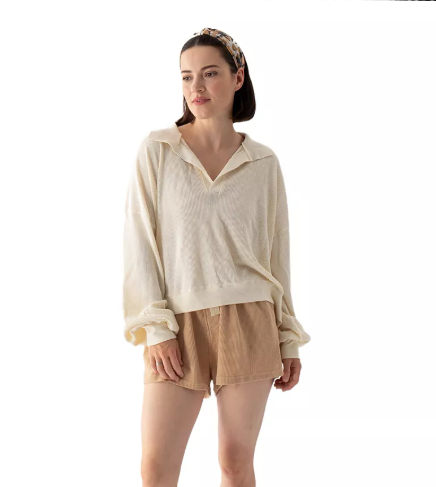
Hemp fabric is incredibly versatile, lending itself to a wide variety of clothing types. From casual wear to high-end fashion, hemp fabric can be used to create stylish and durable garments. Hemp fabric blends seamlessly with other natural fibers like cotton, bamboo, and silk, allowing designers to create hybrid fabrics that combine the strength of hemp with the softness of other materials. This versatility makes hemp a suitable choice for all types of fashion, from everyday wear to more sophisticated styles.
Hemp clothing is also lightweight yet strong, making it ideal for both warm-weather garments like shirts and dresses, as well as heavier items like jackets and pants. Whether you're looking for comfortable everyday clothing or something more formal, hemp can be used to create stylish pieces that complement a wide range of occasions.
Natural UV Protection in Hemp Clothing
One of the standout benefits of hemp fabric is its natural UV protection. Hemp fabric offers a high ultraviolet protection factor (UPF), making it an excellent choice for outdoor activities and sun protection. Hemp naturally blocks harmful UVA and UVB rays, offering a safer and more natural alternative to chemical-laden sunscreens.
Whether you’re hiking, gardening, or simply enjoying a sunny day, hemp clothing helps protect your skin from the harmful effects of UV rays while keeping you cool and comfortable. As consumers become more aware of the dangers of excessive sun exposure, hemp fabric offers a natural and chemical-free option for sun protection.
Conclusion
Hemp clothing provides many advantages, including durability, comfort, and eco-friendliness. With hypoallergenic and antimicrobial properties, it’s a versatile and long-lasting alternative to traditional fabrics. Hemp’s minimal environmental impact makes it an ideal choice for those aiming to reduce their carbon footprint. As sustainable fashion continues to grow, hemp is set to play a major role in shaping the industry’s future.
For consumers looking for high-quality hemp products, NS HEMP offers exceptional options that combine sustainability with style. Their products provide lasting value and support a greener future.
FAQ
Q: What are the benefits of hemp fabric in clothing?
A: Hemp fabric offers numerous benefits, including durability, breathability, and moisture-wicking properties. It’s also hypoallergenic, antimicrobial, and eco-friendly, making it a sustainable alternative to traditional textiles.
Q: How is hemp fabric made?
A: Hemp fabric is made by extracting fibers from the hemp plant's stalks, which are then processed into yarn and woven into fabric. The process is eco-friendly, requiring less water and no pesticides compared to cotton.
Q: Why should I choose hemp fabric for my clothing?
A: Hemp fabric is not only eco-friendly but also provides long-lasting, comfortable clothing. It resists wear and tear better than cotton, offers natural UV protection, and helps reduce environmental impact.
Q: How does hemp fabric compare to synthetic fabrics?
A: Unlike synthetic fabrics, hemp fabric is made from natural fibers, making it biodegradable and chemical-free. It’s breathable, comfortable, and doesn’t trap moisture like synthetics, making it a healthier option for skin.
Q: Is hemp fabric suitable for sensitive skin?
A: Yes, hemp fabric is hypoallergenic and ideal for sensitive skin. It’s naturally resistant to bacteria and fungi, helping reduce irritation and odor compared to other fabrics.
Q: How does hemp fabric impact the environment?
A: Hemp fabric is an eco-friendly choice. It requires less water and no pesticides to grow, and it helps regenerate the soil. Additionally, hemp absorbs more CO2 during growth compared to other crops like cotton.


