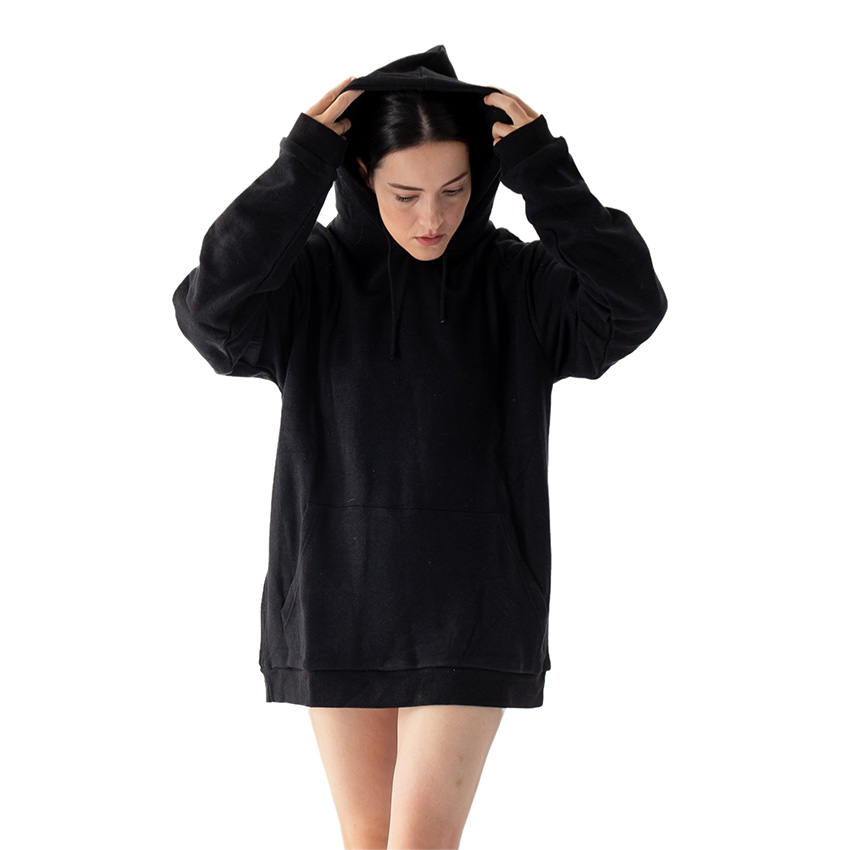
Regulators worldwide are rapidly tightening the rules around apparel sustainability. At the same time, shoppers increasingly reject superficial eco-labels. They quickly spot and abandon greenwashed synthetic blends. Brands need durable, natural basics instead of plastic-heavy fleece. A Hemp Hoodie Pullover serves as a strategic, high-durability anchor product. It transitions your catalog away from fleeting trends. You build a resilient, eco-conscious lineup by offering genuine natural fibers.
We wrote this guide to provide an evidence-based framework for industry professionals. You will learn how to evaluate and source these premium garments. We explore material blends, production realities, and verifiable supply chain data. This practical approach helps you integrate hemp pullovers seamlessly. You can elevate your brand offering without compromising wholesale margins or retail quality.
Key Takeaways
Replacing conventional cotton/poly blends with a hemp hoodie pullover significantly lowers a brand's water footprint and microplastic shedding risks.
Blending hemp with organic cotton (often a 55/45 ratio) is the industry standard for balancing tensile strength with consumer-expected softness and cost-efficiency.
Sourcing viable hemp garments requires strict vetting for enzyme-washing processes, GSM (grams per square meter) weight consistency, and ethical labor certifications.
Successfully marketing natural-fiber essentials relies on verifiable supply chain data rather than generic "eco-friendly" claims.
The Business Case for the Hemp Hoodie Pullover in Modern Apparel Lines
Superficial eco-labels no longer drive sustainable apparel sales. Consumer demand has shifted toward verifiable natural fibers. Shoppers actively seek materials they can trust. Hoodies remain a universal wardrobe staple. This makes them the ideal testing ground for sustainable material adoption. If you want to introduce an innovative textile, you start with a familiar silhouette. Consumers feel comfortable investing in a classic shape. They will embrace new fibers if the garment fits their lifestyle.
Hemp fiber commands a premium cost compared to conventional cotton. You must analyze unit economics differently. Frame your return on investment around an increased garment lifespan. Hemp creates structurally sound garments. Superior durability reduces product return rates dramatically. You can easily justify a higher retail price point. The Hemp Hoodie Pullover outlasts standard cotton-poly alternatives by years. Customers recognize and pay for this extended lifecycle.
Integrating heavy-weight hemp garments builds authoritative brand equity. It positions your company as a pioneer rather than a follower. Many governments are drafting future synthetic textile taxes. Some regions plan to ban certain microplastic-shedding materials entirely. Moving toward natural fibers insulates your apparel company against these legislative risks. You secure a compliant, future-proof product line.
Material Evaluation: 100% Hemp vs. Hemp-Cotton Blends
Evaluating material compositions requires a clear understanding of fiber mechanics. Raw hemp offers incredible raw benefits. It possesses natural antimicrobial properties. The fiber boasts high UV resistance. It also delivers unmatched tensile strength. However, commercial drawbacks exist. Pure hemp yields a stiffer drape. It requires a longer break-in period for the wearer. Production costs also skew significantly higher for unblended hemp fleece.
The 55% hemp and 45% organic cotton blend dominates the modern market. This specific ratio solves the texture problem perfectly. Cotton mitigates the coarse texture of raw hemp. It introduces an immediate softness. Meanwhile, hemp reinforces the cotton against premature wear. The two fibers balance each other flawlessly. This creates a soft, retail-ready garment. It retains the rugged longevity of pure hemp.
Selecting the right fabric weight is equally crucial. We measure this in GSM (grams per square meter). You must align the GSM with your target audience climate.
Review your historical sales data. Use it to choose the correct weight category. High GSM fabrics appeal to luxury streetwear consumers. Lighter weights fit athletic or coastal lifestyle brands better.
Agronomic science supports hemp cultivation strongly. Hemp offers excellent phytoremediation capabilities. It actively pulls toxins from depleted soil. The plant requires minimal water compared to conventional cotton. Farmers cultivate it without relying on synthetic pesticides or herbicides. These agronomic advantages create a compelling narrative. You can market these facts directly to eco-conscious buyers.
We must provide a balanced look at carbon emissions. The hemp plant itself is carbon-negative. It sequesters massive amounts of CO2 during growth. However, processing the stalks requires energy. The retting and decortication processes generate emissions. Transportation from farm to factory adds to the footprint. Brands must practice transparent carbon accounting. Do not claim zero emissions without tracking the entire manufacturing lifecycle. Honest reporting builds deep consumer trust.
The end-of-life profile remains hemp's strongest environmental asset. Natural-fiber hoodies offer complete biodegradability. Recycled polyester (rPET) continues to shed microplastics into our oceans. rPET simply delays the plastic pollution problem. A natural Hemp Hoodie Pullover returns safely to the earth. It addresses the microplastic crisis directly. This provides a massive competitive advantage for sustainable marketing campaigns.
Ecological Impact Comparison
Impact Metric
Hemp Fiber
Conventional Cotton
Recycled Polyester (rPET)
Water Usage
Low (~300-500L per kg)
Very High (~10,000L per kg)
Low (processing only)
Pesticide Reliance
None to Minimal
Extremely High
None
Microplastic Shedding
Zero
Zero
High
Biodegradability
Fully Biodegradable
Fully Biodegradable
Non-Biodegradable
Production Risks and Implementation Realities
Manufacturing natural fibers involves specific technical realities. Dye uptake behaves differently on hemp. The fibers possess a unique cellular structure. This results in natural fading over time. Brands should not hide this trait. You should market this as a "living garment" feature. The piece develops a unique patina. It ages beautifully alongside the wearer. Proper messaging turns a perceived defect into a premium selling point.
Natural fibers carry a high risk of dimensional instability. Untreated hemp blends will shrink. You must manage shrinkage and stability proactively. Specify pre-shrunk fabrics in your tech packs. Require garment-washing at the factory level. This prevents severe post-purchase customer complaints. A frustrated customer rarely returns for a second purchase. Factory-level washing stabilizes the fibers permanently.
Texture consistency varies between harvest batches. Raw hemp can feel rough if improperly processed. You must address the risk of batch-to-batch variation. Standardized enzyme washing solves this issue. Enzymes break down the microscopic rigid edges of the fiber. This achieves a consistent, retail-ready hand feel.
Best Practices for Production Implementation:
Request lab dips for every new dye lot to monitor colorfastness.
Implement a mandatory 3-wash test protocol for all production samples.
Specify the exact enzyme wash duration in your vendor agreements.
Update your care labels to recommend cold washing and line drying.
Supplier Evaluation Framework: Shortlisting Your Manufacturing Partner
Sourcing viable hemp garments requires strict vetting. You cannot rely on a supplier's verbal promises. You must verify their operational standards. Start by reviewing mandatory certifications. These credentials serve as non-negotiable baselines for sustainable sourcing.
Look for the Global Organic Textile Standard (GOTS) for organic cotton blends. It ensures the cotton component meets strict ecological criteria. Demand the Organic Content Standard (OCS) to verify organic material tracking. Require Fair Trade certification to guarantee ethical labor practices. Finally, mandate OEKO-TEX Standard 100. This ensures the factory uses non-toxic dyes and finishes.
Evaluating a prototype requires rigorous sample testing protocols. Do not approve a sample based on visuals alone. You must stress-test the garment comprehensively.
Stress-Testing Seams: Apply manual tension to the shoulders and armholes. Natural fibers require high-density stitching to prevent blowout.
Wash-Testing for Shrinkage: Run the prototype through standard domestic wash cycles. Measure the garment before and after to calculate the exact shrinkage percentage.
Assessing Pilling Resistance: Rub the fabric vigorously against itself. Assess how quickly loose fibers pill on the surface.
Hardware Quality Review: Inspect the aglets, drawstrings, and eyelets. Ensure they match the premium positioning of the hemp fabric.
Supply chain transparency separates average brands from industry leaders. Question your suppliers aggressively. Ask about the exact origin of the raw hemp. Major growing regions include China, Eastern Europe, and North America. Each region carries different environmental and labor implications. Investigate the ethics of their decortication facilities. Unethical facilities often employ harsh chemical retting methods. You must demand mechanical retting processes. This protects both the local water supply and the factory workers.
Conclusion
The hemp hoodie pullover stands as a cornerstone product for sustainable apparel brands. It perfectly bridges the gap between environmental responsibility and consumer demand for durable comfort. Moving away from synthetic fleece requires a dedicated operational shift. It demands closer attention to material science and supply chain mechanics.
Initial sourcing requires rigorous technical vetting. You will face higher upfront costs and longer development timelines. However, the payoff justifies the effort entirely. You deliver a highly durable, market-differentiated product. This builds deep customer loyalty. It also protects your brand against incoming environmental legislation.
Audit your current fleece and hoodie offerings immediately. Identify products heavily reliant on virgin or recycled plastics. Contact certified manufacturers and order hemp-blend samples today. Begin testing these natural alternatives in your upcoming seasonal collections.
FAQ
Q: Why is a hemp hoodie pullover more expensive to manufacture than standard cotton?
A: Hemp production involves labor-intensive retting and decortication processes. These steps break down tough raw stalks into spinnable fiber. Specialized machinery and slower processing times increase the baseline material cost significantly.
Q: Does a hemp pullover feel scratchy to the consumer?
A: No. Modern enzyme washing techniques soften the rigid fibers effectively. Blending hemp with organic cotton creates a highly comfortable hand-feel. The garment actually continues to soften naturally with each domestic wash.
Q: What is the typical shrinkage rate for a hemp-cotton blend hoodie?
A: Untreated blends typically shrink 3-5% after the first domestic wash. You should specify pre-shrunk fabrics or factory-level garment washing. Always incorporate this potential shrinkage into your sizing charts and tech packs.
Q: How does hemp compare to bamboo or modal fabrics?
A: Hemp offers superior mechanical durability and utilizes low-chemical processing. Creating semi-synthetic viscose or bamboo fibers requires an intensive, highly chemical process to melt wood pulp. Hemp remains a purely natural, structural fiber.
We welcome you to join our hemp fashion journey, experience the cool comfort and environmental value of hemp, and jointly support the sustainable development of the fashion industry.