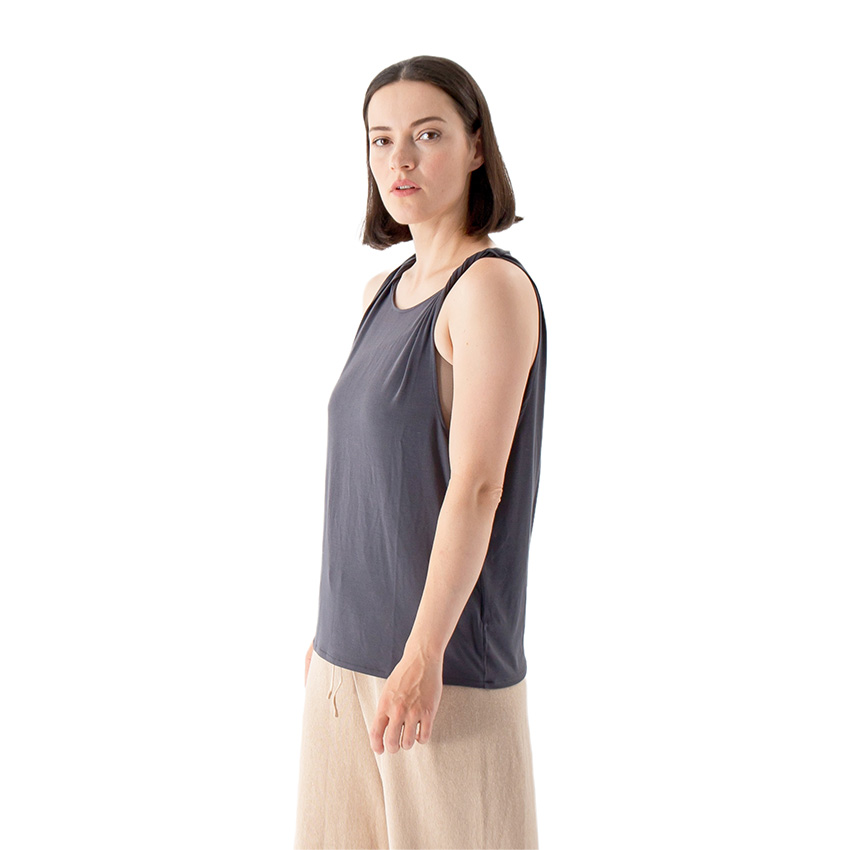
Apparel brands face increasing pressure to source sustainable, vegan, and natural materials. Consumers demand transparency and eco-friendly choices from their favorite labels. However, navigating the complexities of raw material supply chains introduces significant quality and compliance risks. Buyers often struggle to verify material authenticity and factory conditions.
Transitioning to hemp requires understanding its unique agricultural and mechanical processing cycle. A transparent view of this lifecycle is the only way to accurately evaluate supplier capabilities. It allows you to forecast lead times and guarantee product consistency across multiple production runs. Without this knowledge, brands risk costly delays and poor fabric quality.
This guide breaks down the full lifecycle of hemp production—from farm to finished garment. You will discover the critical evaluation criteria buyers must use to vet manufacturing partners. We provide actionable insights to secure reliable, high-quality material sourcing.
Key Takeaways
Quality starts at cultivation: Geographic sourcing and climate directly dictate fiber strength and compliance with industrial hemp regulations.
Processing dictates scalability: Mechanical retting and decortication are bottlenecks; supplier capacity here determines their ability to scale your orders.
Blends optimize commercial viability: While 100% hemp is highly durable, strategic blending is often required for specific drapes (e.g., women’s hemp clothing) or price points.
Certifications mitigate risk: Validating GOTS (Global Organic Textile Standard) and OEKO-TEX certifications at the facility level is non-negotiable for credible brand claims.
Harvesting and Cultivation: The Baseline for Material Quality
Industrial hemp relies heavily on agronomic realities. The plant requires specific soil profiles and precise harvesting timelines to maximize bast fiber yield. Hemp grows rapidly, often maturing in just 90 to 120 days. However, timing the harvest correctly determines whether the fiber will be soft enough for apparel. Farmers must cut the stalks just as the plant begins to shed pollen. Harvesting too late results in brittle, coarse fibers unsuitable for textiles.
You should evaluate suppliers on their direct-to-farm relationships. Relying on spot-market commodity brokers introduces vast inconsistencies. Direct relationships allow manufacturers to control cultivation variables. They ensure consistent stalk lengths and fiber densities. We recommend asking suppliers for farm origin data before signing any contracts.
Compliance and sourcing represent another crucial hurdle. Assess regional agricultural regulations carefully. Most countries enforce strict THC limits on industrial hemp, typically capped around 0.3%. Sourcing from vetted, highly regulated regions ensures uninterrupted supply chains. If a farm violates local THC thresholds, authorities may destroy the entire crop. This creates massive delays for your production schedule.
Organic validation is non-negotiable for premium lines. If you plan on producing organic hemp T-shirts or pure hemp collections, you must verify the chain of custody. Organic claims must start at the seed and soil level. Farmers cannot use synthetic pesticides or fertilizers. Always request transaction certificates proving the organic status of the raw biomass before it even reaches the processing facility.
Best Practices for Evaluating Cultivation
Request historical data on the farm's bast fiber yield percentages.
Verify local government THC compliance certificates.
Demand soil health reports to back up organic claims.
Decortication and Retting: Assessing Processing Capabilities
The journey from rigid stalk to workable fiber involves heavy mechanical intervention. The decortication bottleneck is a common issue in the industry. Decortication removes the outer bark from the inner woody core (the hurd). This step requires highly specialized machinery. Because hemp stalks are incredibly tough, standard agricultural equipment often fails. Supplier evaluation must include a thorough review of their mechanical processing capacity. Ensure they possess industrial-grade decorticators to meet your specific production volumes.
Retting methodologies further separate high-quality suppliers from average ones. Retting breaks down the natural pectins binding the fibers together. Factories utilize three primary methods: dew, water, and chemical retting. You must compare the environmental footprint and fiber quality of each approach. Chemical retting is much faster. However, it completely negates eco-friendly marketing claims. Ensure your partners utilize verifiable natural or closed-loop retting processes.
Retting Method
Process Description
Environmental Impact
Fiber Quality
Dew Retting
Stalks are left in the field for 2-3 weeks to let moisture and bacteria break down pectins.
Very Low (Natural process, no extra water or chemicals)
Moderate to High (Color can be inconsistent due to weather)
Water Retting
Stalks are submerged in ponds or tanks of warm water for several days.
Moderate (High water usage, requires wastewater treatment)
High (Produces very uniform, clean, and soft fibers)
Chemical Retting
Stalks are boiled in harsh acid or alkaline chemical solutions.
High (Toxic runoff if closed-loop systems are not used)
Low to Moderate (Can weaken the natural fiber strength)
Quality output depends entirely on how the facility grades the resulting fiber. After retting and decortication, factories "scutch" the material. This separates long fibers from short tow fibers. Long fibers are essential for premium textiles. Short tow fibers usually end up in industrial applications or non-wovens. Your supplier’s scutching efficiency dictates the final fabric's consistency and smoothness.
Spinning and Weaving in Hemp Apparel Production
Yarn production is a highly specialized phase in hemp apparel production. Processing these strong fibers into fine yarn involves hackling, drawing, and spinning. Hackling combs the fibers to remove impurities and align them parallel to one another. Drawing elongates these combed fibers into a continuous sliver. Evaluate the manufacturer's spinning technology carefully.
There are two main spinning techniques. Wet spinning produces finer, smoother yarns. It uses warm water to soften the pectins during the spin. This makes it ideal for comfortable, next-to-skin apparel. Dry spinning yields coarser textures suitable for outerwear or upholstery. A reliable factory will let you audit their spinning lines.
Spinning Technique Comparison Chart
Wet Spinning
Dry Spinning
Process Detail
Fibers pass through a hot water bath before drafting.
Fibers are drafted and twisted without moisture.
Yarn Characteristics
Fine, smooth, high count, less hairy.
Coarse, highly textured, lower count.
Best End-Use
T-shirts, blouses, underwear, luxury wear.
Canvas, denim alternatives, heavy jackets.
Fabric blending strategy represents a critical commercial consideration. A fabric made of 100% hemp can feel rigid and prone to heavy wrinkling. Assess the factory’s ability to engineer strategic blends. Mixing hemp with Organic Cotton or Tencel softens the fabric significantly. This helps achieve a highly desirable drape and hand-feel. Blending is particularly crucial for categories like women’s hemp clothing, where fluidity and comfort drive sales.
Next, evaluate weaving versus knitting capabilities. Structured woven goods, like jackets and trousers, require robust looms. Flexible, lightweight items, like knitted tees, demand specialized circular knitting machines. Determine if the supplier has the specific machinery to produce your target category. Never assume a weaving mill can handle jersey knits.
Cut, Make, Trim (CMT) & Custom Hemp Clothing Workflows
Understanding OEM versus ODM capabilities streamlines your sourcing strategy. You must categorize the supplier based on your brand's internal resources. If you have an in-house design team, you might only need pure CMT services. Here, you provide the tech packs, patterns, and sourced fabric. The factory simply cuts and sews. Conversely, a full-package ODM solution handles everything. They manage fabric sourcing, pattern-making, and final assembly.
Handling properties during the cut and sew phase require specific expertise. Hemp behaves very differently than conventional cotton. Because of its incredible tensile strength, it dulls cutting blades rapidly. It also requires specific needle types and thread tensions to prevent seam puckering. Vet the factory's specific experience in custom hemp clothing production. Inexperienced factories will produce high defect rates, costing you time and money.
Shortlisting logic should prioritize scalability and reliability. Evaluate Minimum Order Quantities (MOQs) closely. Some factories demand massive upfront commitments. Others offer low MOQs but charge exorbitant sample fees. A viable partner should offer scalable MOQs that align with your growth trajectory. Furthermore, investigate their prototyping lead times and defect resolution policies.
Common Mistakes in CMT Sourcing
Failing to test the factory's cutting blade replacement schedule.
Ignoring seam slippage tests during the initial prototyping phase.
Accepting a factory's cotton expertise as proof of hemp capability.
Supply Chain Compliance and Quality Assurance
Quality assurance hinges on rigorous, standardized testing. You must require hard data from your factory. Request reports on fabric weight (GSM), shrinkage rates, and colorfastness. Hemp Clothing absorbs dye readily and produces vibrant colors. However, it requires specific, high-quality finishing treatments to prevent excessive fading over time. Always wash-test your prototypes to check for dimensional stability.
Verifiable certifications protect your brand from liability. Cross-reference the manufacturer’s facility certifications before issuing a purchase order. Look for ISO standards for quality management and Fair Trade credentials for ethical labor. Additionally, demand textile-specific certifications. GOTS (Global Organic Textile Standard) and OEKO-TEX Standard 100 prove the absence of harmful chemicals. Never take a supplier's word for it; always ask for the official certificate number and verify it online.
Traceability tech represents the future of hemp clothing manufacturing. Leading partners now utilize digital traceability platforms. These systems enable batch tracking from the farm all the way to the factory floor. They substantiate your environmental claims with immutable data. Adopting this technology protects your brand reputation against greenwashing accusations. Consumers increasingly scan QR codes on garments to view the entire supply chain journey.
Conclusion
Successfully navigating the hemp supply chain requires meticulous attention to detail. You must vet partners not just on per-unit cost, but on their holistic capabilities. Evaluate their agricultural sourcing methods, mechanical processing capacity, and specific CMT expertise. A cheap quote often masks poor retting practices or inadequate spinning technology. Prioritizing transparency ensures your garments meet both quality standards and sustainability claims.
Your next-step actions should focus on validation. First, request detailed fiber specification sheets from potential suppliers. Second, verify all third-party certifications directly with the issuing bodies. Finally, commission a paid sample run. This stress-tests the manufacturer's communication, timeline adherence, and quality control. Complete this thorough vetting process before committing to large production MOQs.
FAQ
Q: What is the standard lead time for hemp clothing manufacturing?
A: Hemp processing demands an extended timeline compared to conventional cotton. Standard lead times typically range from 60 to 120 days. This variation depends heavily on whether the factory holds raw material stock. Custom milling, specialized retting, and wet spinning all add significant time to the production schedule.
Q: Why is hemp apparel production often more expensive than cotton?
A: Hemp requires intense mechanical labor during the decortication and retting phases. Stalks are incredibly tough and require heavy-duty machinery to break down. Additionally, global spinning infrastructure for fine hemp yarns remains limited. This restricted supply chain drives up processing costs compared to highly commoditized cotton.
Q: Can a manufacturer guarantee 100% organic custom hemp clothing?
A: Yes, but it requires strict documentation. A reliable manufacturer must provide transaction certificates for the raw biomass. Furthermore, they need GOTS tracking to verify the organic status across the complete cycle, from spinning to dyeing. Without these unbroken chains of custody, organic guarantees remain invalid.
Q: What are the realistic MOQs for private-label hemp garments?
A: Baseline industry expectations vary by fabric type. For garments using stock fabric, realistic MOQs range from 100 to 300 pieces per style. However, if you require custom-dyed or custom-milled fabric, MOQs usually jump to 1,000 meters of fabric or 500 to 1,000 finished garments.
We welcome you to join our hemp fashion journey, experience the cool comfort and environmental value of hemp, and jointly support the sustainable development of the fashion industry.