Fashion retailers and boutique owners face intense pressure today. You must offer genuine sustainable apparel in a market flooded with greenwashing. Modern consumers easily spot fake environmental claims and demand real accountability. Hemp fabric has transitioned rapidly in response to these cultural shifts. It evolved from a niche counter-culture textile into a premium eco-fashion staple. High-demand boutiques now rely on this resilient fiber for their flagship collections.
Curating a dedicated Hemp Shirt Women's collection solves two critical business problems simultaneously. First, it helps you meet rigorous consumer sustainability standards effortlessly. Second, it empowers you to maintain healthy retail margins through smart premium positioning. Adding natural fibers to your inventory requires careful vendor selection. Let us explore a comprehensive evaluation framework for successfully integrating hemp apparel into your upcoming seasonal collections.
Key Takeaways
Market Growth: Hemp apparel is capturing premium market share due to superior durability and measurable ecological benefits (low water usage, carbon sequestration).
Consumer Shift: End-buyers are actively seeking alternatives to polyester and conventional cotton, willing to pay a premium for longevity and breathable comfort.
Sourcing Realities: Modern weaving and blending techniques have eliminated the "stiff" texture stereotype, delivering retail-ready softness.
Wholesale ROI: Selecting the right manufacturing partner requires evaluating transparent MOQs, compliance certifications, and supply chain stability.
The Commercial Case: Why Retailers Are Prioritizing Women's Hemp Apparel
Retailers constantly face stagnant growth when relying solely on traditional cotton. Consumers understand the heavy pesticide use associated with conventional farming. They also show high skepticism regarding recycled synthetics. Recycled polyester still sheds microplastics into the water supply during washing. Shoppers know this fact and actively seek better alternatives. Hemp provides a clean, natural exit route from this merchandising dilemma. It allows brands to offer true ecological value.
The upward trajectory in sustainable textile demand is well-documented. Industry reports highlighting the 2015–2025 compound annual growth rate (CAGR) for eco-fibers show massive expansion. Market projections indicate continuous double-digit growth for bast fibers like hemp. Shoppers actively shift their spending toward brands demonstrating tangible environmental commitments. You capture this growing demographic by stocking verified natural textiles.
Hemp also presents a distinct margin opportunity. You can position it successfully as an accessible luxury item. The premium narrative surrounding hemp naturally justifies higher price points on the sales floor. Shoppers gladly pay more for garments offering exceptional longevity and unique textures. This willingness to invest directly improves your average order value (AOV). You move away from high-volume, low-margin fast fashion. Instead, you build a resilient business model based on quality and conscious consumption.
Market Metric | Conventional Cotton | Premium Hemp Apparel |
Retail Price Ceiling | Low to Medium | High (Accessible Luxury) |
Consumer Skepticism | High (Greenwashing fears) | Low (High eco-credibility) |
Margin Potential | Highly competitive, thin | Strong, supports premium pricing |
Brand Loyalty Impact | Transactional | High (Values-aligned purchasing) |
Breaking the Bias: What Buyers Must Know About Modern Hemp Fabric
Many buyers still harbor outdated biases about hemp. The old stereotype suggests the fabric feels stiff, scratchy, or heavy. Modern textile engineering has entirely eliminated this issue. Suppliers now utilize advanced enzymatic washing and finishing processes. These techniques break down the tough lignin within the plant fibers. The resulting fabric rivals high-end linen in both drape and softness. Customers notice this luxurious hand-feel immediately upon touching the garment.
You must evaluate different material compositions when building a collection. Not all hemp garments serve the same functional purpose. Understanding these variations helps you curate a balanced inventory. Here is how you evaluate popular fabric compositions:
100% Hemp: This offers ultimate durability and pure eco-credibility. The fabric holds its shape remarkably well over time. It serves as the best material for structured button-downs and tailored summer jackets.
Hemp/Organic Cotton Blends: Mixing hemp with organic cotton provides enhanced softness from the very first wear. It works perfectly for casual tees and everyday loungewear. This blend acts as an easy entry point for new consumers exploring sustainable fashion.
Hemp/Tencel Blends: Tencel adds superior drape and slight wrinkle resistance to the natural fiber. This combination feels incredibly silky against the skin. It remains the ideal choice for premium blouses and flowing summer dresses.
Retailers must acknowledge the implementation reality of natural fibers. Hemp naturally wrinkles during daily wear. You should never hide this characteristic from your buyers. Instead, you must educate consumers on proper garment care. Turn this perceived flaw into a recognized hallmark of natural authenticity. Just as consumers accept the natural crinkle of luxury linen, they will embrace the relaxed elegance of hemp.
Feature-to-Outcome Evaluation: Sustainability as a Sales Driver
Sustainability acts as a powerful sales driver when communicated clearly. Water conservation stands out as a primary benefit. Hemp requires significantly less water to grow than conventional cotton. It relies heavily on natural rainfall rather than intensive irrigation systems. This provides a measurable, highly verifiable metric for your brand's ESG (Environmental, Social, and Governance) reporting. Consumers love seeing exact water-saving statistics on hangtags.
Durability directly affects the garment lifecycle and your bottom line. Hemp fibers are inherently stronger than most natural alternatives. They hold their shape and retain color saturation much longer. This exceptional durability reduces the high return rates typically associated with fast-fashion garment degradation. Customers keep these pieces in their closets for years. This longevity builds immense trust in your private label or curated boutique.
Functional wearability translates directly into consumer comfort. Hemp possesses natural antimicrobial properties, which keep garments smelling fresh longer. It also offers inherent UV resistance, protecting the wearer during outdoor activities. The highly breathable nature of the fiber wicks moisture away from the skin rapidly. These specific functional traits make hemp items undeniable best-sellers in spring and summer collections.
Compliance builds necessary consumer trust. You cannot simply claim a garment is sustainable. You must seek suppliers who hold verified certifications. Look for GOTS (Global Organic Textile Standard) or OCS (Organic Content Standard) documentation. These credentials back up your retail claims. They protect your business from greenwashing accusations and assure buyers of ethical supply chain practices.
Garment Feature | Consumer Outcome | Retail Advantage |
Low Water Consumption | Guilt-free purchasing | Strong ESG marketing metric |
High Tensile Strength | Garment lasts multiple seasons | Lower defect and return rates |
Natural Antimicrobial | Less frequent washing needed | High customer satisfaction |
GOTS/OCS Certified | Trust in ethical production | Protection against greenwashing claims |
Assessing Wholesale Partners: Supply Chain, MOQs, and Risk Mitigation
Selecting the right wholesale partner demands rigorous vetting. Supply chain stability remains a top concern for modern retailers. The raw hemp industry occasionally faces geographic bottlenecks during processing. You must evaluate a supplier’s level of vertical integration. Vendors controlling their own retting, spinning, and weaving processes offer far more reliability. They shield your business from sudden raw material shortages or unexpected price spikes.
Minimum Order Quantities (MOQs) require careful negotiation. You must balance upfront inventory risk with attractive unit costs. Ordering too much ties up vital cash flow. Ordering too little destroys your profit margins. Smart retailers use strategic negotiation for initial orders. Ask suppliers for pilot runs when launching a new Hemp Shirt Women's capsule collection. This approach tests customer demand before you commit to massive seasonal volumes.
Quality Assurance (QA) protocols separate excellent vendors from mediocre ones. Natural fibers present unique manufacturing challenges. You must inspect a vendor's specific defect tolerance levels. Ask about their dye-lot consistency across different production runs. Natural dyes take differently to hemp depending on the harvest. Sizing standardization also proves critical. Hemp can behave unpredictably during cutting if not handled by experienced garment workers. Request thorough QA documentation before signing any purchase orders.
Lead times dictate your entire seasonal buying calendar. Hemp production differs from synthetic fabric manufacturing. You must factor in the agricultural harvesting and retting processes of natural fibers. These steps take time and depend heavily on weather conditions. Add an extra buffer to your delivery expectations. Proactive timeline management prevents disastrous stockouts during peak summer selling seasons.
Merchandising Strategy: Shortlisting and Rollout Next Steps
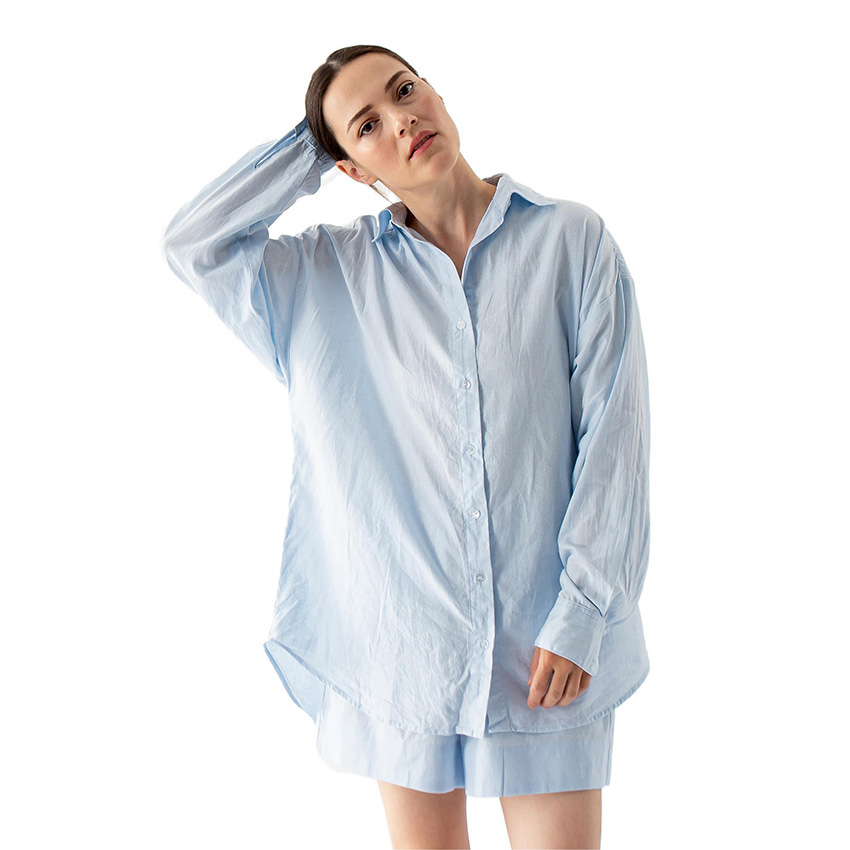
Effective merchandising determines the success of your new sustainable line. Collection curation requires a keen understanding of your demographic. Select versatile silhouettes that appeal to eco-conscious shoppers. Oversized boyfriend shirts offer a relaxed, effortless aesthetic. Cropped tees pair beautifully with high-waisted linen trousers. Flowing tunics provide excellent beach cover-ups. These versatile shapes maximize the wearability of the fabric.
Visual merchandising brings the fabric's story to life. Hemp features a beautiful, slubby texture. You must highlight this characteristic in your e-commerce photography. Use harsh natural lighting to emphasize the fabric's weave. In-store displays should encourage physical touch. Arrange garments by color to showcase the rich, earthy variations typical of natural dyes. Place educational signage near the racks explaining the ecological benefits.
Transitioning into sustainable inventory requires a methodical approach. Follow these actionable next steps to begin your sourcing journey effectively:
Audit your current inventory to identify distinct gaps in sustainable natural fibers.
Request physical fabric swatches from a curated shortlist of B2B suppliers to test hand-feel.
Review vendor compliance documents and negotiate wholesale tiered pricing agreements for pilot orders.
Conclusion
Adding women's hemp shirts represents a highly strategic retail move. It allows you to future-proof your inventory against shifting environmental regulations. You also align your brand perfectly with evolving consumer preferences. Modern shoppers demand transparency, longevity, and supreme comfort. Hemp delivers on all these requirements effortlessly while maintaining a luxurious aesthetic.
Sourcing high-quality natural fibers certainly requires more rigorous supplier vetting than buying conventional cotton. You must navigate varying MOQs, seasonal lead times, and strict quality assurance protocols. However, the resulting brand equity justifies the extra effort entirely. You build deeper customer loyalty and unlock significant margin rewards through premium pricing models.
Take immediate action to elevate your upcoming seasonal collections. Invite your buying team to request a comprehensive wholesale catalog today. Order sample swatches to experience modern enzymatic washing techniques firsthand. Schedule a supply chain consultation with certified vendors to secure your production slots before the seasonal rush begins.
FAQ
Q: Does hemp fabric shrink more than cotton after washing?
A: Hemp exhibits standard natural fiber shrinkage rates, usually between 3% and 5%. Reputable manufacturers mitigate this issue entirely before the garment reaches your store. They utilize industrial pre-washing or garment-dyeing techniques. These processes remove the initial shrinkage. Consumers simply follow standard cold-wash care instructions without fearing sudden sizing changes.
Q: What is the typical lead time for wholesale hemp clothing orders?
A: Lead times vary based on several critical variables. Ordering in-stock blanks usually takes two to four weeks. Custom cut-and-sew programs require significantly longer, typically ranging from eight to twelve weeks. Seasonal agricultural harvesting factors can also impact raw material availability. Always discuss exact timelines with your supplier during the quoting phase.
Q: Are hemp shirts competitive with linen in terms of retail pricing?
A: Yes, they remain highly competitive. Hemp is often priced similarly to or slightly higher than premium linen. The complex retting and processing of the stalk justify this cost. However, hemp offers superior longevity and tensile strength. Consumers willingly accept this pricing parity once they understand the extended lifecycle of the garment.
Q: How do we market the wrinkling aspect of hemp to consumers?
A: Frame the wrinkling strictly around the concept of "relaxed luxury." Do not treat it as a defect. Present it as a badge of natural fiber authenticity. Compare it directly to the widely accepted aesthetic of high-end resort linen. Educate customers that these gentle creases signify they are wearing genuine, breathable, earth-friendly textiles.


