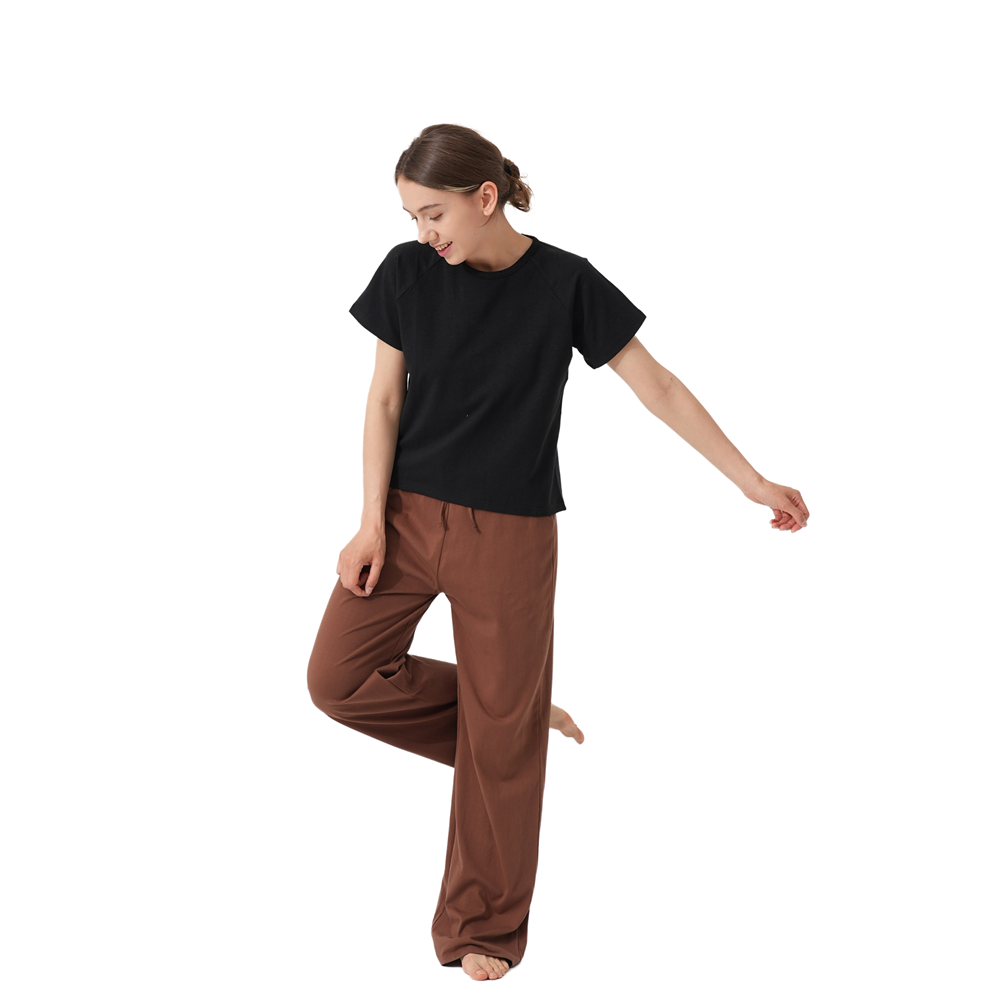
Hemp serves as a premium, highly durable sustainable fabric in modern apparel manufacturing. Decorating it incorrectly quickly degrades both your return on investment and overall brand perception. Making the wrong decoration choice often leads to ruined inventory. A strategic approach ensures your final garments look professional and last for years.
Hemp features a highly porous nature, a distinctively textured weave, and variable fabric weights. It responds very differently to ink and thread compared to standard cotton or common poly-blends. You simply cannot treat it like an ordinary blank canvas. We will provide a pragmatic, evidence-based framework for choosing between screen printing and embroidery when producing custom hemp t-shirts. You will learn how to minimize costly production risks effectively. You will also discover how to align your chosen decoration method directly alongside your budget requirements and long-term brand goals.
Key Takeaways
Fabric Texture Dictates Quality: Hemp’s natural texture can cause screen print "fibrillation" (fibers poking through ink); embroidery often pairs better with its rugged weave.
Cost vs. Scale: Screen printing remains the most cost-effective solution for high-volume orders with large artwork, while embroidery offers higher perceived value for minimalist, low-color designs.
Weight Matters: Embroidery requires medium-to-heavyweight hemp to prevent puckering, whereas screen printing is versatile across all weights, including lightweight blank hemp t-shirts for women.
Sustainability Alignment: Water-based screen printing and organic cotton embroidery threads preserve the eco-friendly value proposition of the hemp garment.
Understanding Hemp Fabric as a Decoration Canvas
Hemp fibers possess distinct physical characteristics. You must understand these properties before applying any decoration. Hemp acts as a bast fiber. It grows in the stalk of the plant. This origin gives the material incredible tensile strength. It also produces a naturally textured surface known as a slub effect. This uneven texture gives the fabric its signature rugged appeal. However, this same texture creates specific challenges for printers and embroiderers alike. The irregular surface means ink does not lay perfectly flat. Needles must punch through uneven densities.
Hemp absorbs liquids at an exceptionally rapid rate. The fibers are highly hygroscopic. They drink liquid much faster than standard ringspun cotton. This rapid absorbency impacts ink saturation directly. When you apply ink, the porous fibers pull it deep into the garment core. This behavior demands specific ink formulations. If you use the wrong ink, colors will look entirely washed out. You might lose fine graphical details entirely as the ink spreads into the yarn.
Fabric weight heavily dictates your decoration options. We measure this weight in ounces (oz) or grams per square meter (GSM). You must match your decoration technique to the correct fabric weight to avoid structural failure.
Lightweight blends (3-5 oz / 100-170 GSM): These garments feel airy and breathable. They suit light ink applications perfectly. If you apply heavy embroidery here, the garment will sag completely. You will notice significant puckering around the design edges. This category includes popular, drape-heavy items like blank hemp t-shirts for women.
Heavyweight blends (6+ oz / 200+ GSM): These robust fabrics handle dense decoration easily. They provide the perfect rigid foundation for high-stitch-count embroidery. They also support heavy ink coverage without distorting the shirt structure over time.
Hemp Fabric Weight and Decoration Suitability Table
Fabric Weight (oz)
Estimated GSM
Best Screen Print Method
Embroidery Suitability
Primary Risk Factor
3.0 - 4.5 oz
100 - 150 GSM
Water-based / Light Discharge
Not Recommended (unless micro-logos)
Severe puckering under heavy thread
4.5 - 5.5 oz
150 - 185 GSM
Water-based / Medium Discharge
Moderate (Left chest logos only)
Fibrillation after aggressive washing
6.0+ oz
200+ GSM
All inks (including heavy pigments)
Highly Recommended (Center chest, large)
Garment rigidity restricting drape
Screen Printing on Hemp: Pros, Cons, and Production Realities
Screen printing remains a dominant choice for apparel decoration globally. You should choose it for large graphics and high-volume production runs. It also works best for commercial projects requiring exact Pantone color matching. When executed correctly, screen printing highlights the natural grain of the hemp textile.
Ink selection acts as your critical variable here. You cannot use standard cotton inks and expect premium results.
Water-based and discharge inks penetrate porous hemp fibers exceptionally well. They dye the actual fabric fibers rather than sitting structurally on top. This maintains a soft hand-feel. It also aligns perfectly alongside eco-conscious branding. Discharge inks remove the original fabric dye and replace it. This process works beautifully on natural hemp blends, creating a seamless, breathable graphic.
Plastisol inks present serious challenges on hemp. They sit directly on top of the textured fabric. You face a high risk of cracking over time. The uneven slub yarns shift during wear. This shifting fractures the rigid plastisol layer. Plastisol often feels overly heavy or rubbery on a natural, breathable textile. We strongly advise against using heavy plastisol on premium sustainable garments.
You must watch out for implementation risks. Fibrillation represents the biggest threat. This occurs when coarse hemp fibers break through the ink layer after washing. The graphic suddenly takes on a faded, fuzzy, or "hairy" look. You can prevent this by using a fibrillation base layer. Printers lay down a clear coat first to flatten the fibers. They then print the colors on top. Proper curing temperatures also prevent premature ink breakdown.
Cost implications depend heavily on your production scale. You will pay high initial setup costs for screen creation and film output. However, your unit cost drops drastically as volume increases. Screen printing becomes incredibly cost-effective once you surpass fifty units per design.
Embroidery on Hemp: Pros, Cons, and Production Realities
Embroidery brings a distinctly premium aesthetic to any garment. You should choose it for corporate apparel, left-chest logos, and high-end retail merchandise. It elevates the perceived value instantly. The tactile nature of thread pairs beautifully against the organic texture of woven hemp.
Hemp provides excellent structural synergy for thread applications. The high tensile strength makes it an exceptionally stable backing material. It supports high-stitch-count embroidery beautifully. It actively resists the tearing and warping commonly seen on thinner, cheaper cottons. The rigid bast fibers hold complex embroidery patterns without excessive distortion.
Despite this natural strength, you still face specific implementation risks.
Puckering happens frequently if machine tension is set incorrectly. It also occurs if you apply dense, heavy logos to lighter, fluid garments. For example, standard custom hemp t-shirts for women often feature a delicate, draped fit. Applying heavy center-chest embroidery ruins this delicate drape entirely. The fabric gathers and pinches around the rigid thread block.
Backing material requires careful operational consideration. You must use tear-away or cut-away stabilizers to prevent shifting during the embroidery process. These stabilizers remain inside the shirt permanently. Cut-away stabilizers provide maximum support. Unfortunately, they leave a thick square of material against the wearer's skin. Tear-away stabilizers feel much cleaner. However, they offer less structural support for complex, dense designs.
Cost implications look very different compared to printing. Your cost is dictated strictly by stitch count and machine run time. Color count does not matter at all. Embroidery becomes highly inefficient and expensive for large center-chest designs. The production cost increases exponentially as the design footprint grows.
Head-to-Head Evaluation Framework
You need a reliable decision matrix to make the right production choice. We must evaluate durability, aesthetic alignment, and true sustainability.
Durability reveals clear operational differences. Embroidery usually outlasts the physical garment itself. High-quality thread rarely degrades under normal washing conditions. Screen printing fades gracefully over time if you use water-based inks. It develops a sought-after vintage patina. If you choose plastisol, it will eventually crack and peel off the textured hemp surface.
Aesthetic alignment depends heavily on your target audience. Embroidery signals premium, corporate, or boutique boutique branding. It feels heavy, expensive, and permanent. Screen printing leans strongly toward casual, streetwear, and retail markets. It feels light, expressive, and highly adaptable.
We must conduct a rigorous sustainability audit. Compare the environmental impact of your chosen materials. Polyester embroidery thread relies on petroleum-based plastics. It sheds microplastics during washing. Organic cotton or rayon thread offers a much cleaner, biodegradable alternative. Plastisol inks contain PVC and harmful phthalates. Using plastisol negates the environmental benefits of using hemp. Algae-based or water-based inks maintain the eco-friendly integrity of the final product.
Chart: Decoration Method Decision Matrix
Evaluation Metric
Screen Printing (Water-Based)
Embroidery (Organic Thread)
Visual Aesthetic
Integrated, flat, vibrant or vintage
Textured, raised, premium, tactile
Best Use Case
Large artwork, streetwear, retail
Small logos, corporate wear, uniforms
Durability Arc
Fades softly into the fabric grain
Outlasts the actual garment lifespan
Volume Scaling
Highly cost-effective at large scale
Cost remains flat; poor scaling for large art
Sustainability
Excellent (if PVC-free/Algae used)
Excellent (if Rayon/Cotton thread used)
Vendor vetting criteria matter immensely. You must ask the right questions before handing over expensive hemp blanks to a decorator. Slubby fabrics require precise machinery adjustments. Ask your print shop if they have experience adjusting off-contact distance for uneven textiles. The screen must sit slightly higher above a hemp shirt than a smooth cotton shirt. Ask your embroiderer how they handle stabilizer choices for textured, lightweight wovens. A good decorator will explain their tension settings and needle size choices proactively.
Shortlisting Logic & Next Steps for Your Run
You do not always have to choose just one exclusive method. Consider implementing a hybrid approach. You can use water-based screen printing for large, complex back graphics. You can then use high-quality embroidery for small, precise front chest logos. This strategy balances your overall cost effectively while maintaining a distinctly premium brand feel. Many high-end streetwear brands utilize this exact hybrid model to maximize their return on investment.
Prototyping is absolutely mandatory for hemp garments. You must order a physical, decorated sample. Do not rely on digital mockups alone. A digital file cannot simulate fabric drape. It cannot show you complex fiber interaction or exact ink saturation. You need to touch, stretch, and wash the physical sample. Wash the prototype three to five times. Check for premature fibrillation. Check for embroidery puckering around the design edges.
Follow these actionable next steps to ensure production success:
Finalize your artwork size, complexity, and exact placement details.
Check your specific fabric weight in GSM or ounces to verify compatibility.
Request targeted quotes based on your exact blanks and volume requirements.
Conclusion
Choose screen printing for scalable, large-format artwork. Pair it exclusively with water-based or discharge inks to achieve the best possible results. This preserves the breathability and natural feel of the fabric. Choose embroidery for high-durability, premium branding applications. Reserve embroidery primarily for heavier hemp blends to ensure optimal structural integrity and prevent garment sagging.
Always protect your financial investment through rigorous sampling. We strongly encourage buyers to request a sample run of both methods on their chosen hemp blank. Evaluate the real-world texture, washability, and drape thoroughly. Make these critical physical assessments before committing to a massive bulk purchase order.
FAQ
Q: Does screen printing wash out faster on hemp than on cotton?
A: It does not wash out faster if cured correctly. However, water-based inks naturally fade deeper into the coarse hemp fibers over time. This creates a desirable vintage look rather than appearing broken or washed away. Proper curing temperatures prevent premature ink degradation.
Q: Can you embroider on lightweight hemp t-shirts?
A: Yes, you can. It requires light, airy stitch patterns and proper cut-away stabilization. If you use dense, heavy designs, the lightweight fabric will pucker and sag under the intense weight of the thread.
Q: Which decoration method is more sustainable for hemp apparel?
A: Both methods can be highly sustainable if optimized correctly. Embroidery using organic cotton or rayon thread maintains a minimal footprint. Screen printing using water-based or algae-derived inks preserves the eco-friendly integrity of the garment entirely. Avoid polyester threads and plastisol inks.
We welcome you to join our hemp fashion journey, experience the cool comfort and environmental value of hemp, and jointly support the sustainable development of the fashion industry.