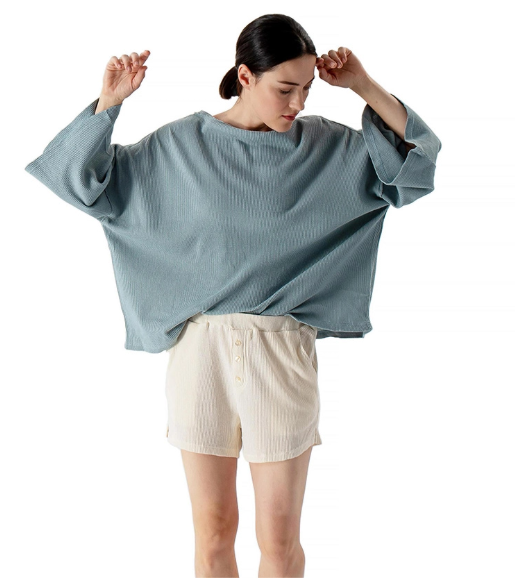
Are Organic Hemp T-shirts better than cotton? The debate surrounding sustainable fashion often pits hemp against organic cotton. Both materials are eco-friendly, but they differ in various aspects such as durability, comfort, performance, and environmental impact. In this article, we'll compare these two fabrics in detail, exploring their origins, benefits, and key differences, helping you make an informed decision when choosing between organic hemp and organic cotton T-shirts.
Material Origins and Production Differences
Source Plants and Fiber Extraction
Hemp is derived from the stalks of the Cannabis sativa plant. The fibers extracted from the hemp stalks, known as bast fibers, are long and naturally strong, making them highly durable. These fibers are ideal for creating textiles due to their resilience and strength. On the other hand, cotton comes from the cotton bolls of the Gossypium plant. The fibers are shorter and softer compared to hemp fibers, which gives cotton its renowned softness but limits its strength.
Farming Practices
One of the most significant differences between hemp and organic cotton is their environmental impact during farming. Hemp requires far less water than cotton, making it a much more sustainable option in terms of water usage. Organic cotton farming, while still a more sustainable option compared to conventional cotton, still requires substantial amounts of water and pest management strategies. Additionally, hemp roots enrich the soil and help prevent erosion, whereas cotton farming can deplete soil nutrients over time. This means hemp is generally considered more eco-friendly, contributing positively to soil health.
Processing and Textile Creation
The processing of hemp fibers is typically simpler and more sustainable compared to cotton. Hemp fibers undergo fewer chemical treatments during processing, helping preserve their natural strength and durability. Cotton, even when grown organically, often requires additional bleaching, chemical treatments, and softening agents to make it soft to the touch, which adds to the environmental burden. Hemp's ability to thrive without extensive chemical use makes it a cleaner alternative in the textile industry, helping reduce the reliance on harmful chemicals.
Durability and Lifespan Comparison
Tensile Strength and Wear Resistance
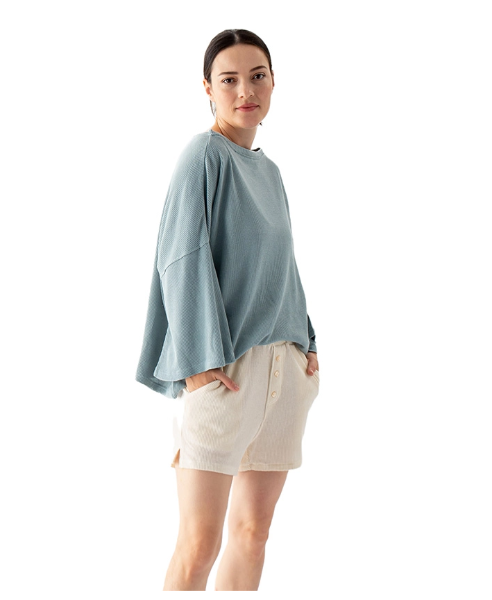
When comparing the durability of organic hemp and organic cotton T-shirts, hemp clearly takes the lead. Hemp fibers are nearly twice as strong as cotton fibers, making hemp T-shirts highly resistant to tearing, stretching and pilling. This means hemp garments can withstand more wear and tear, providing a much longer lifespan. Cotton T-shirts, while soft and comfortable, tend to show signs of wear more quickly, especially after multiple washes.
Shrinkage and Shape Retention
Another key difference between hemp and cotton is shrinkage. Hemp fabrics maintain their shape better over time, even after multiple washes. This is especially advantageous when it comes to long-term wear, as hemp T-shirts don't lose their shape as easily as cotton T-shirts, which tend to shrink in higher temperatures. This minimal shrinkage means that hemp T-shirts stay true to their size, making them a more reliable option for everyday wear.
Pilling and Tear Resistance
Hemp's resistance to pilling is another strong point in its favor. While cotton fabrics break down more easily and tend to form small, unsightly pills over time, hemp fabrics are much more resilient. This leads to hemp T-shirts lasting significantly longer—typically 8 to 10 years, compared to cotton's average lifespan of 3 to 5 years. The durability of hemp fabrics makes it a worthwhile investment, as you'll spend less money on replacements over the years.
| Feature | Organic Hemp T-Shirts | Organic Cotton T-Shirts |
| Tensile Strength | High | Moderate |
| Shrinkage | Minimal | Moderate to High |
| Pilling Resistance | Excellent | Average |
| Lifespan | 8–10 years | 3–5 years |
Investing in hemp T-shirts can significantly reduce the frequency of replacements, which ultimately helps save money in the long run.
Comfort, Softness and Fit
Initial Feel vs Long-Term Softening
Hemp T-shirts initially feel stiffer compared to cotton. However, with each wash, hemp becomes softer, providing a comfortable feel over time. Cotton, on the other hand, is naturally soft from the beginning but loses its strength and softness more quickly as the fibers break down with repeated washing.
Stretch and Recovery
Hemp fibers have low elasticity, which helps them retain their shape over time. This means that hemp T-shirts are less likely to stretch out or sag after prolonged use. Cotton, however, has higher stretchability, which allows for a more flexible fit but may cause the garment to lose its shape and sag over time, especially in areas like the collar and sleeves.
Breathability and Moisture Management
When it comes to breathability, hemp outperforms cotton. Hemp naturally wicks moisture away from the body, keeping the wearer cool and dry. This makes hemp T-shirts an excellent choice for activewear, travel, and hot climates. Cotton, while breathable, absorbs sweat and takes longer to dry, which can lead to discomfort in warmer conditions.
Antimicrobial and Odor Control Benefits
Hemp fibers have natural antimicrobial properties, which help prevent the growth of bacteria. This makes hemp T-shirts a great option for hygiene, especially in workwear or gym apparel. Cotton, on the other hand, tends to retain bacteria, which can lead to unpleasant odors over time.
Mold and Mildew Resistance
Hemp is naturally resistant to mold and mildew due to its breathability. Cotton fabrics, in contrast, can trap moisture, creating an environment where mold and mildew can thrive. This makes hemp T-shirts a better choice for those who need durable, hygienic clothing that will withstand moisture and humidity.
Environmental Sustainability
Water Usage Efficiency
One of the most significant advantages of hemp over cotton is water usage. Hemp requires only 300–600 liters of water per kilogram of fiber, while cotton requires a massive 5,000–20,000 liters of water. This stark difference makes hemp a far more sustainable choice for eco-conscious buyers who want to reduce their environmental impact.
Pesticide and Fertilizer Requirements
Hemp is naturally pest-resistant, meaning it doesn't require the use of pesticides or fertilizers to thrive. Organic cotton still requires some pest management strategies and soil treatments, even though it's grown without synthetic chemicals. This makes hemp farming much less reliant on external inputs, reducing its overall environmental footprint.
Carbon Footprint and Soil Health
Hemp has a positive effect on soil health. It helps aerate the soil and absorb CO₂, making it a carbon-negative crop. Cotton, on the other hand, contributes more to land degradation, and its farming practices can deplete soil nutrients over time. Hemp's ability to improve soil health makes it a better long-term option for sustainable agriculture.
End-of-Life Biodegradability
Both hemp and cotton fabrics are biodegradable, but hemp decomposes more cleanly due to fewer chemicals involved in its production. Organic cotton, while biodegradable, may still carry some chemical residues from treatments used during processing.
| Environmental Factor | Hemp | Cotton |
| Water Usage | Low (300–600 L/kg) | High (5,000–20,000 L/kg) |
| Pesticides | Minimal | Moderate to High |
| CO₂ Absorption | High | Low |
| Soil Health Impact | Positive | Negative |
| Biodegradability | Clean | Chemical residues possible |
Hemp's reduced water use and pesticide reliance make it an ideal choice for eco-conscious brands looking to minimize their environmental footprint.
Cost and Accessibility Considerations
Price Comparison
Hemp T-shirts tend to be more expensive than cotton due to the higher production costs associated with hemp farming and processing. However, the durability and long lifespan of hemp garments make them a cost-effective choice over time, reducing the need for frequent replacements.
Availability and Market Trends
Hemp fabrics are becoming more popular, and blends such as 60% hemp and 40% organic cotton are gaining traction. These blends offer the best of both worlds—comfort and sustainability—while keeping costs in check. As demand for sustainable fabrics grows, hemp availability is expected to increase, driving down prices in the future.
Long-Term Value Assessment
Though hemp T-shirts may come with a higher upfront cost, their long lifespan and durability provide long-term value. Bulk purchasing hemp blends can also lower costs for businesses, especially in the B2B apparel market.
Color Retention and UV Protection
Dye Absorption and Vibrancy
Hemp fabrics naturally retain color better than cotton due to the lack of extensive chemical treatments. This results in more vibrant and long-lasting colors. Cotton fabrics, while initially vibrant, often require bleaching and other treatments that can reduce the vibrancy of the final product.
Resistance to Fading
Hemp's superior resistance to UV degradation means that hemp T-shirts maintain their vibrancy for longer, even with prolonged sun exposure. Cotton fabrics tend to fade more quickly when exposed to UV rays, which can lead to a less appealing garment over time.
Fashion and Style Considerations
Blended fabrics, such as hemp and cotton combinations, offer a balance between comfort, softness, and sustainability. Hemp's natural colors range from beige to dark brown, which can be used in premium lines to market both durability and eco-conscious fashion. Hemp's increasing popularity in the fashion industry highlights its growing relevance as a sustainable option.
Conclusion
NS HEMP provides durable, eco-friendly fabrics that offer exceptional benefits for both the environment and consumers. While organic cotton remains a softer, more affordable option, organic hemp T-shirts stand out for their durability, antimicrobial properties, and sustainability. Hemp is perfect for eco-conscious buyers who want long-lasting, high-performance clothing. Organic cotton, on the other hand, is ideal for those looking for a comfortable, budget-friendly option. Each fabric has its place in the sustainable fashion world, but for long-term value, hemp offers a superior solution.
FAQ
Q: What are Organic Hemp T-shirts?
A: Organic Hemp T-shirts are made from hemp fibers, offering durability, breathability, and eco-friendly benefits.
Q: How do Organic Hemp T-shirts compare to cotton?
A: They last longer, resist odor, and are more sustainable than cotton, which is softer but wears faster.
Q: Why choose hemp over cotton?
A: Hemp reduces water use, requires fewer chemicals, and offers superior hemp vs organic cotton t-shirt durability.


