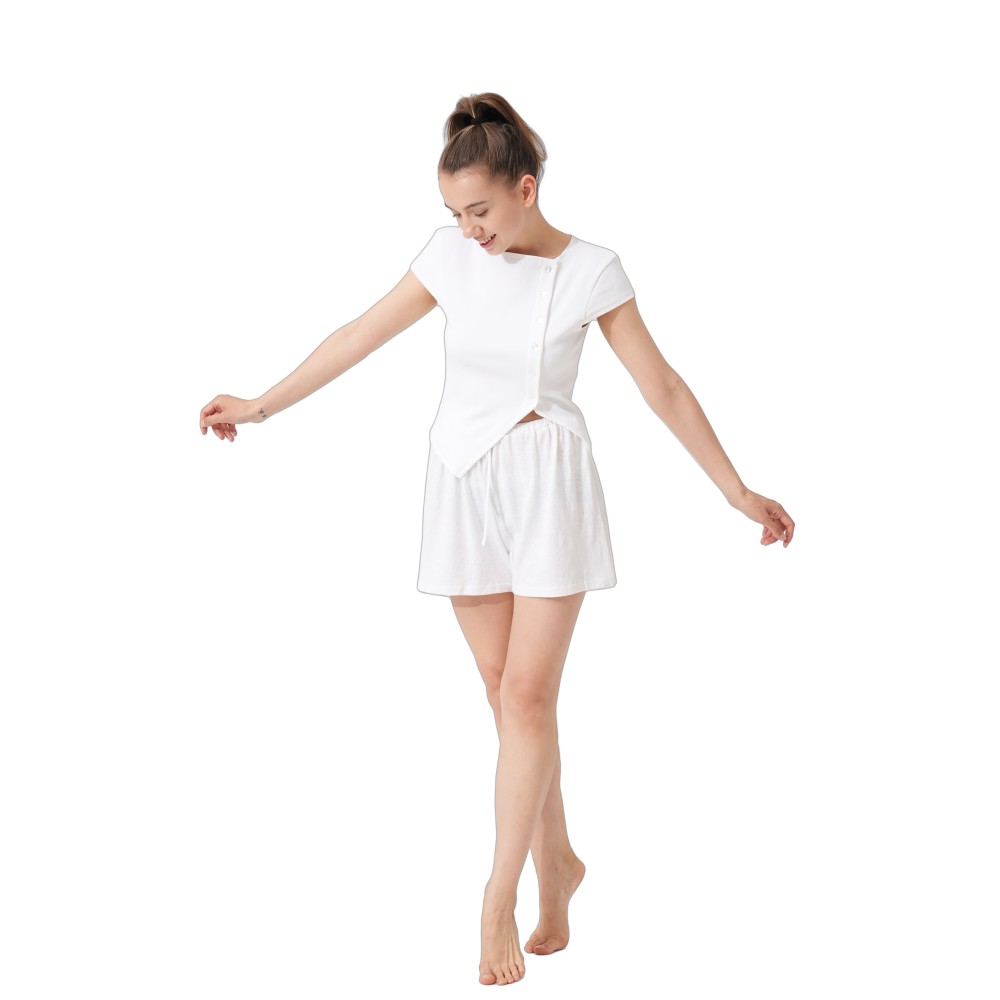
Consumers today increasingly prioritize sustainable, performance-driven fabrics in their wardrobes. Hemp has quickly emerged as a clear frontrunner. This durable, eco-friendly fiber offers incredible versatility for everyday clothing. However, not all hemp garments perform identically. The manufacturing method dictates how a garment behaves in daily use. We generally see two primary construction techniques: knit and woven. Knit fabrics rely on interlocking loops. This unique structure creates natural elasticity and supreme softness. Woven fabrics utilize interlaced yarns in a rigid grid. This traditional method provides unmatched structural stability. Choosing the right pair requires understanding these distinct mechanical differences. This guide will help you evaluate which construction fits your active lifestyle. You will learn how each type impacts breathability, physical mobility, and overall lifespan. We will explore practical scenarios ranging from casual lounging to rugged outdoor tasks. By the end, you can confidently match your specific aesthetic preferences and activity levels to the ideal fabric structure.
Key Takeaways
Knit hemp shorts (e.g., hemp jersey) provide superior drape, stretch, and breathability, ideal for lounge or activewear.
Woven hemp shorts (e.g., cargo or chino styles) offer high structural integrity, abrasion resistance, and a more tailored appearance.
Choosing between them depends on the intended "Use Case vs. Lifecycle" ratio: prioritizing comfort for daily wear versus utility for rugged environments.
The Fabric Mechanics: How Construction Defines Performance
Understanding textile engineering helps you make better clothing choices. Hemp fibers begin as long, tough strands extracted from the plant stalk. Manufacturers spin these raw strands into usable yarns. From here, factories must decide how to assemble these yarns into flat yardage. They choose between knitting or weaving the material. Each method completely transforms the physical behavior of the final garment.
The Knit Advantage
Knit fabrics rely on a continuous yarn formed into interconnected loops. You can picture this as a microscopic chainmail structure. These loops hold a unique mechanical advantage. They can bend, compress, and expand easily. This loop-based construction creates natural elasticity. It achieves this flexibility without requiring synthetic additives like spandex. The fabric moves effortlessly with your body. When you bend your knee, the loops stretch. When you stand up, they retract. This inherent give provides unmatched comfort during dynamic movements.
The Woven Strength
Woven textiles use an entirely different architectural approach. They consist of two distinct sets of yarns. We call them the warp and the weft. The warp yarns run vertically down the fabric. The weft yarns lace horizontally over and under the warp. This creates a tight interlaced grid. This grid locks the yarns into place. They cannot stretch diagonally or horizontally without significant force. This interlaced grid prevents snagging. It maintains its exact shape under heavy tension. If you pull hard on a woven fabric, it resists. This creates a rigid, highly protective barrier against the outside world.
Impact on Weight & Feel
Construction directly impacts the density and weight of the shorts. Textile experts measure this using GSM. GSM stands for grams per square meter. It tells you exactly how heavy the fabric is. Lightweight jersey knits typically range between 150 and 200 GSM. They offer a fluid drape and a soft handfeel. Robust woven twills often exceed 250 GSM. They feel crisp and structured. They hold their shape independently. Understanding GSM helps you predict how heavy the garment will feel during peak summer heat.
Evaluating Comfort and Breathability: The Case for Knit Hemp
Many people prioritize immediate comfort above all else. They want clothing that feels invisible against the skin. Knit construction excels in this exact scenario. It maximizes the natural benefits of the hemp plant.
Temperature Regulation
Hemp fibers possess remarkable thermal conductivity. They pull excess heat away from your body. The porous nature of the fiber absorbs moisture rapidly. When manufacturers knit these fibers, they create tiny pockets of air between the loops. These air pockets allow maximum airflow. Wind easily penetrates the fabric structure. This makes hemp jersey shorts ideal for high-humidity environments. Sweat evaporates much faster off a knit surface. You stay noticeably cooler during intense heatwaves.
Ergonomics & Fit
Knit structures adapt continuously to your body movement. They do not fight your natural biomechanics. This adaptability makes them highly desirable for athletic leisure. You rarely experience pinching or binding. Finding perfectly fitting knit hemp shorts for women is generally easier because the fabric accommodates different hip and thigh ratios. The material easily forgives slight sizing discrepancies. You can wear them during yoga, running errands, or simply resting on the couch.
Implementation Reality
We must address the practical trade-offs of knit fabrics. Extreme comfort sometimes comes at the cost of shape retention. Gravity constantly pulls down on the tiny fabric loops. Prolonged sitting stretches the seat area. Deep squats stretch the knees. We call this phenomenon "bagging out." Over time, a pure knit garment may lose its crisp silhouette.
Industry experts employ specific strategies to combat this:
Strategic Blending: Adding a small percentage of organic cotton helps stabilize the loops. Cotton provides structural memory to the hemp.
Higher Density Knitting: Tighter loops reduce the available stretch radius. This minimizes long-term sagging.
Smart Patterning: Designers often use shorter inseams on knits to reduce fabric weight and pulling.
Evaluating Durability and Utility: When to Choose Woven
Sometimes your environment demands rigorous protection. You might find yourself hiking through dense brush. You might carry heavy tools. In these high-friction scenarios, knit fabrics fall short. Woven construction becomes absolutely essential.
Structural Integrity
Woven constructions act as the standard for high-utility garments. The interlaced grid provides an incredibly strong foundation. It handles concentrated weight exceptionally well. If you load up the pockets of hemp cargo shorts, the fabric does not sag. A knit fabric would distort under the weight of keys and phones. The woven grid distributes this weight evenly across the entire panel. This structural integrity ensures the garment looks intentional, even when fully loaded with gear.
Abrasion Resistance
Outdoor activities expose your clothing to constant scraping. You brush against rough bark, sharp rocks, and thorns. Tightly woven hemp fibers present a flat, unified surface to the environment. Twigs and branches simply glide over the fabric. They find no loose loops to catch. This drastically reduces the risk of snagging and tearing. Hemp naturally boasts superior tensile strength compared to cotton. When woven tightly, it becomes nearly impenetrable to casual wilderness hazards.
Tailored Aesthetics
Visual presentation matters in daily life. Woven fabrics hold a sharp crease effortlessly. They provide a clean, "smart-casual" silhouette. You can easily pair woven shorts with a button-down shirt. They fit right into a casual office setting or a weekend dinner. Knits struggle to achieve this level of formality. They inherently look relaxed and sporty. Woven textiles bridge the gap between rugged utility and refined style.
Decision Matrix: Aligning Your Needs with Your Shorts
You now understand the mechanical differences. The next step is applying this knowledge to your specific lifestyle. You must evaluate your primary use cases against the maintenance requirements of each fabric type.
Fabric Construction Comparison Chart
Feature
Knit Hemp Shorts
Woven Hemp Shorts
Primary Advantage
High elasticity and soft drape
High durability and structure
Stretch Capability
Excellent natural stretch
Minimal to no stretch
Airflow & Breathability
Maximum ventilation
Moderate ventilation
Abrasion Resistance
Low (prone to snagging)
High (resists tearing)
Aesthetic Tone
Relaxed, athletic, lounge
Tailored, rugged, smart-casual
Activity Level
Start by assessing your daily routine. Identify your primary need. Are you mostly lounging indoors or commuting casually? Soft knits serve you best here. They eliminate pressure points during long hours of sitting. Alternatively, do you spend weekends doing yard work? Do you hike frequently? Heavy-duty woven styles will protect your skin and survive the abuse. Many consumers opt to keep both styles in their closet. They rotate their basic hemp shorts based on the specific demands of the day.
Care & Longevity
Maintenance plays a huge role in garment lifespan. Woven and knit structures react differently to washing machines. You must treat them accordingly to maximize their lifecycle.
Washing Wovens: Woven structures tolerate mechanical agitation well. You can generally wash them on normal cycles. They resist heavy shrinkage. They emerge from the wash ready for more abuse.
Washing Knits: Knits require gentler care. Aggressive washing can stretch the interlocking loops. You should use a delicate cycle with cold water. This preserves the fabric tension.
Drying Rules: Avoid high-heat tumble drying for both types. Heat degrades natural fibers over time. Air drying on a flat surface keeps knits from stretching. Hanging wovens helps them dry crisp and reduces wrinkles.
The Hybrid Solution
Garment engineers frequently search for a middle ground. They want to provide comfort without sacrificing durability. Look for hybrid design features when shopping. Some brands use a rugged woven main body but insert knit gussets in the crotch area. This allows for extreme leg mobility while keeping the overall structure intact. Other brands experiment with blended weaves. They weave hemp together with a small percentage of recycled elastane. This gives a rigid woven fabric just enough mechanical give to prevent blowouts during heavy lifting.
Conclusion
Choosing the right summer wardrobe does not have to be confusing. Neither construction technique is inherently better than the other. They are simply optimized for completely different contexts. Hemp proves itself as a high-performance fiber regardless of how factories process it. It remains eco-friendly, highly breathable, and remarkably durable.
Your final choice should be dictated by a careful balance of movement requirements and long-term durability needs. If you value supreme softness and fluid movement above all else, knits will serve you perfectly. If you require deep pockets, snag resistance, and a structured silhouette, wovens stand as the clear winner. Always evaluate the GSM weight of the fabric in relation to your local climate. Pay attention to blend ratios on the care tag. By aligning the mechanical properties of the fabric with your daily habits, you ensure maximum comfort and longevity from your clothing investment.
FAQ
Q: Do hemp jersey shorts stretch out over time?
A: Yes, they can stretch slightly. Hemp is a natural fiber with less structural memory than synthetic spandex. Because jersey is a loop-based knit, gravity and movement pull on these loops. You might notice "bagging out" around the seat or knees after multiple days of wear. Choosing a high-quality, dense-knit fabric minimizes this issue. Washing them gently restores the original loop tension.
Q: Are woven hemp shorts comfortable enough for all-day wear?
A: Absolutely. While they feel crisp and rigid initially, woven hemp goes through a distinct "break-in" period. Mechanical friction from daily wear softens the natural fibers. After a few wash cycles, the fabric drapes more naturally over your body. They become highly comfortable for all-day use while maintaining a structured, tailored appearance.
Q: Which is better for travel: knit or woven?
A: It depends on your itinerary. Knits pack down smaller, weigh less, and remain comfortable during long flights. However, they lack secure pockets. Woven styles resist heavy creasing much better when crammed in a suitcase. They also offer structural pockets for passports and tickets. For purely transit days, knits win. For exploring a new city, wovens provide better utility.
Q: Can hemp cargo shorts be machine washed?
A: Yes, you can machine wash them. The woven construction easily withstands mechanical agitation. However, you must use cold water to minimize the risk of shrinkage. Natural fibers tighten up when exposed to extreme heat. Always avoid high-heat tumble drying. Air-drying your cargo shorts extends the lifespan of the fabric and keeps the pocket seams laying completely flat.
We welcome you to join our hemp fashion journey, experience the cool comfort and environmental value of hemp, and jointly support the sustainable development of the fashion industry.