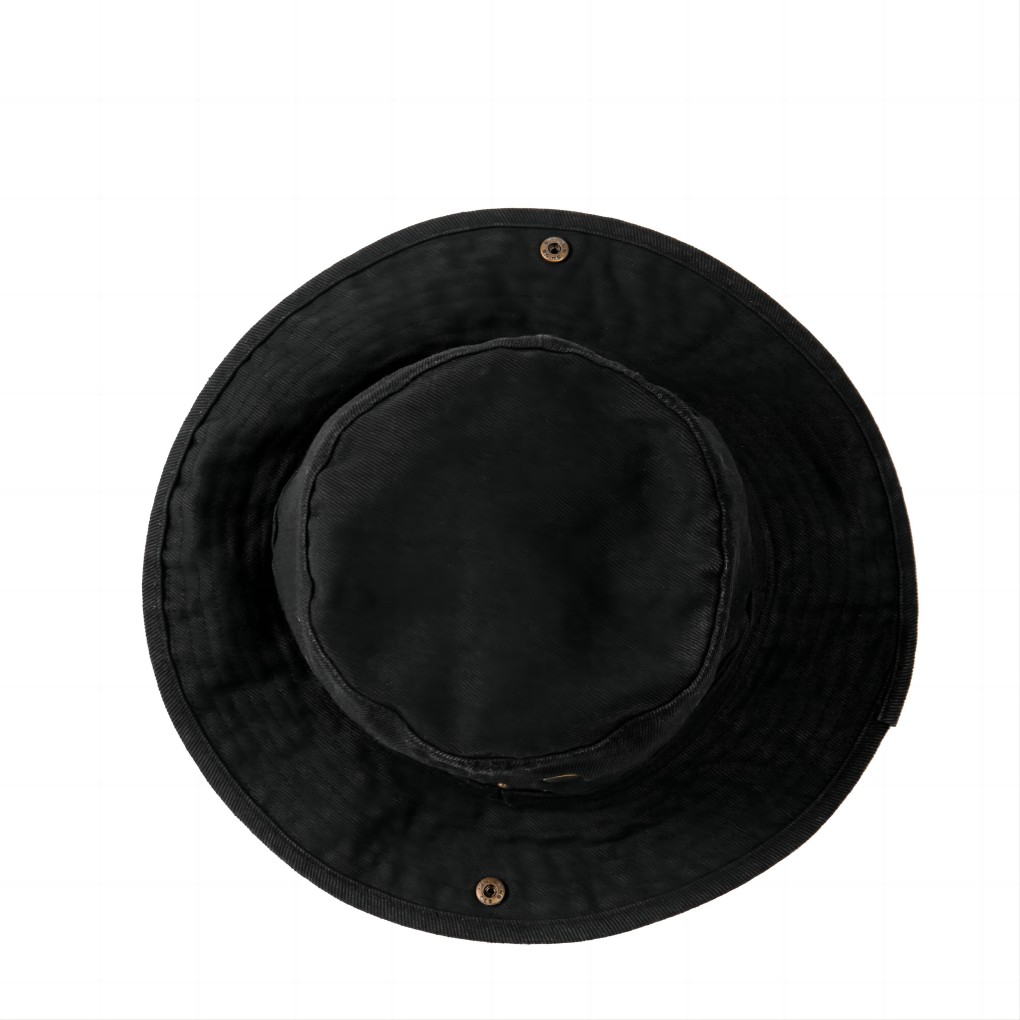
Bucket hats recently transformed from fleeting streetwear trends into reliable wardrobe staples. This evolution highlights a massive shift toward sustainable materials. Consumers increasingly demand better textiles. However, many people still face friction integrating natural fibers into everyday looks. You often risk creating a sloppy or overly casual appearance when you wear them without structural intent. You must treat these pieces as deliberate accessories rather than quick afterthoughts.
Strategic styling solves this problem entirely. It requires you to evaluate hat structure carefully. You should match fabric weights evenly across your outfit. Balancing proportions properly will maximize your wardrobe versatility and everyday utility. Mastering these core principles transforms basic outfits into intentional, cohesive ensembles. You will learn exactly how to select, style, and maintain these natural pieces for maximum aesthetic impact. We will guide you through material evaluation and seasonal scaling carefully. This ensures your investment serves your daily styling needs perfectly.
Key Takeaways
Wardrobe Scalability: Hemp bucket hats transition easily from casual streetwear to resort-casual when paired with matching fabric weights (linens, heavy cottons).
Evaluation Criteria: High-quality hemp hats should be selected based on structural integrity (fabric GSM), brim width, and crown depth to suit specific face shapes.
Performance vs. Aesthetics: Hemp inherently offers high UV protection, thermoregulation, and durability, making it an optimal functional accessory for daily wear.
Risk Mitigation: Proper care is required to prevent shrinkage and maintain the hat's intended silhouette.
Let us look at why natural fibers dominate modern utility wear. Synthetic materials often trap heat and degrade quickly. Conversely, high-quality Hemp Accessories provide measurable advantages over petroleum-based alternatives. They bridge the gap between pure aesthetics and necessary daily performance. You gain significant functional benefits when you choose authentic natural textiles.
Durability: Hemp fibers are remarkably stronger than standard cotton. Your hat retains its shape beautifully over years of daily wear. Standard cotton degrades after repeated sun exposure. Natural canvas fibers resist this degradation entirely. You can wear them daily on hiking trails or city streets. They resist edge fraying beautifully. We often see cheap polyester hats lose their shape after one season. Tightly woven natural fibers maintain their crisp brim architecture for years.
Breathability & Thermoregulation: Your head generates significant body heat. Synthetic fabrics trap this heat aggressively. Natural porous fibers act differently. They allow trapped heat to escape rapidly. This eliminates the dreaded sweaty forehead problem during peak summer months. Active individuals appreciate this thermoregulation immensely. It keeps you comfortable across changing environments.
Compliance & Authenticity Metrics: You should always check labels before buying. Look for transparent sourcing metrics like GOTS certification. Many brands use greenwashed blends containing mostly synthetic fibers. Be wary of labels claiming a natural blend without listing exact percentages. Sometimes these contain only five percent natural fibers. We recommend demanding purity in your materials. Authentic textiles feel slightly rougher initially but perform much better.
The Baseline Benefit: Tightly woven canvas delivers natural UV resistance. This crucial property turns everyday items into functional protective gear. You get genuine aesthetic appeal alongside real sun protection. High UPF ratings occur naturally in these dense weaves. You do not need artificial chemical treatments to shield your skin safely.
Material Performance Comparison Chart
Material Type
Durability Level
Breathability
UV Resistance
Longevity Factor
100% Hemp Canvas
Very High
Excellent
High (Natural)
Decades
Standard Cotton
Medium
Good
Low to Medium
Years
Polyester Blend
High
Poor (Traps Heat)
Varies (Chemical)
Months to Years
How to Evaluate and Shortlist Hemp Bucket Hats for Your Wardrobe
Finding the right silhouette prevents your outfit from looking accidental. You must evaluate specific structural details carefully before making a purchase. Not all Hemp Bucket Hats function the same way within a curated closet. Structural integrity dictates the entire vibe of your look. We recommend checking three major components.
Structural Integrity (The Silhouette Risk)
Differentiate carefully between unstructured and structured designs. Unstructured floppy hats remain strictly casual. They lack stiff internal lining. They work well for lazy beach days or backyard lounging. Structured heavyweight canvas hats support smart-casual looks effortlessly. High GSM fabric maintains crisp lines around the brim. This rigidity elevates the piece from a simple sun shield to a deliberate fashion statement. If you want to wear it out to dinner, you need a structured canvas.
Fit and Proportion
Crown depth matters significantly for your unique face shape. Shallow crowns suit smaller heads perfectly. They also complement shorter hairstyles beautifully. Deep crowns comfortably accommodate thick hair volume and tight curls. They sit lower on the forehead for a relaxed, slightly mysterious aesthetic. You also need to consider brim width carefully. Narrow brims lean heavily toward 90s retro streetwear styles. Wider brims anchor modern utility and gorpcore aesthetics beautifully. We recommend testing both widths in front of a mirror to see which balances your jawline better.
Color Selection Logic
Start building your collection using undyed neutral tones. Sand, ecru, and olive offer maximum pairing potential. They blend seamlessly into existing capsule wardrobes. These earthy shades complement almost any skin tone. Master these basics before you invest in high-saturation dyed pieces. Bright colors limit your daily outfit combinations considerably. Neutrals guarantee you will reach for the hat repeatedly throughout the week. Once you establish a baseline, you can introduce muted navy or deep maroon options.
Styling Frameworks: Integrating Hemp Hats into Everyday Outfits
We need practical ways to wear these items daily. Following proven frameworks removes the guesswork from busy morning routines. You cannot just throw a hat on randomly and expect it to look cohesive. Here are three distinct approaches for styling structured Hemp Hats seamlessly.
Approach 1: The Tonal Minimalist Uniform Execution: Pair an undyed bucket hat alongside linen button-downs. Add relaxed cotton chinos and simple leather sandals. Keep all colors within the same warm spectrum. Why it works: Matching the texture of natural fibers creates visual cohesion. The matte finish projects an intentional, elevated silhouette. It whispers quiet luxury rather than screaming for attention. The breathability of linen pairs perfectly against the rugged canvas above. Common Mistake: Mixing too many shades of beige makes the outfit look muddy. Break the tones up using a crisp white t-shirt underneath your button-down.
Approach 2: Modern Utility and Gorpcore Execution: Combine an olive or black structured hat alongside technical fabrics. Think nylon cargo pants, oversized pocket tees, and rugged trail sneakers. Add a crossbody bag for extra functional detail. Why it works: The ruggedness of natural canvas grounds your outfit. It beautifully balances the synthetic sheen of modern techwear. Mixing natural fibers against slick nylon creates striking textural contrast. It feels incredibly modern while remaining strictly functional for outdoor activities. Common Mistake: Overloading on pockets ruins the silhouette. If your pants feature heavy cargo pockets, keep your upper layers simple.
Approach 3: Elevated Streetwear Execution: Contrast the earthy texture of your hat against heavier urban garments. Use a heavy-weight graphic hoodie, straight-leg raw denim, and classic retro sneakers. Let the hat serve as the primary accessory. Why it works: This replaces cheap synthetic accessories completely. It introduces a premium textural element to a basic streetwear uniform. The rigid brim of a heavy canvas piece adds architectural structure to an otherwise slouchy outfit. Common Mistake: Choosing an overly floppy hat ruins the structured streetwear vibe entirely. Stick to heavyweight canvas for urban environments.
Adapting Hemp Hats for Seasonal Scalability
You want your accessories to work year-round. This maximizes their utility across different climates. Natural fibers adapt surprisingly well across changing seasons. You simply need to adjust your supporting garments accordingly.
Warm Weather Operations
Lean heavily into the natural breathability. Pair your piece comfortably alongside linen shorts and open-collar camp shirts. The moisture-wicking properties handle intense summer humidity effectively. Your head stays cool when temperatures spike. We suggest choosing lighter colors like ecru during July and August. These lighter shades reflect harsh sunlight away from your face. Furthermore, the natural wicking action prevents sweat from pooling along the inner headband. This keeps the fabric fresh for multiple wears between washes.
Cold Weather Transitions
Implementation Strategy: Layering becomes absolutely key here. Pair a heavyweight canvas bucket hat alongside substantial outerwear. Try classic chore coats, waxed cotton jackets, or heavy chunky knitwear. The thick canvas holds its own against bulky winter coats visually. Thin cotton hats look out of place next to heavy wool, but robust canvas transitions seamlessly.
Assumption Check: We must clarify a common misconception immediately. The material thermoregulates nicely, but it does not insulate like pure wool. It blocks brisk autumn wind quite well. However, you should not rely on it for freezing winter temperatures. Look for blended fabric approaches if you face deep winter conditions. Hemp-wool blends offer the perfect compromise for December weather.
Seasonal Pairings Chart
Season
Ideal Fabric Match
Recommended Outerwear
Footwear Pairing
Spring
Lightweight Cotton
Denim Jackets, Cardigans
Canvas Sneakers
Summer
Linen, Seersucker
Open-collar Shirts
Leather Sandals, Loafers
Autumn
Heavy Canvas, Flannel
Chore Coats, Waxed Jackets
Suede Boots, Trail Shoes
Implementation Risks: Care, Maintenance, and Avoiding the "Sloppy" Look
Natural fibers require specific handling to maintain their original shape. Neglecting care guidelines ruins the carefully crafted silhouette quickly. You must treat these hats like investment pieces. A little maintenance goes a very long way.
The Shrinkage Risk
These strong fibers can shrink up to five percent if exposed to high heat. Throwing them in a hot dryer destroys their structural integrity immediately. The brim will warp, and the crown will pucker.
Actionable Fix: You must always hand-wash them in cold water. Submerge the piece entirely in cold water mixed with a mild, natural detergent. Agitate the water gently using your hands. Avoid twisting or wringing the fabric. Alternatively, use a very gentle machine cycle. Always air dry the hat over a rounded object. A small bowl or folded towel works perfectly. This preserves the internal crown shape perfectly while it dries.
Texture Softening
This material softens naturally over its lifespan. Buyers must anticipate this inevitable textural shift. A stiff new piece develops a beautifully relaxed drape after 10 to 15 wears. This evolution adds unique character to the garment. The fabric molds specifically to your head shape. However, you must accept this breaking-in process. Do not expect it to remain completely rigid forever. The eventual softness makes it incredibly comfortable for all-day wear.
Styling Pitfall
Avoid pairing heavily distressed or wrinkled pieces alongside tailored garments. Do not mix them into overly formal outfits like unstructured suits. This clash in formality feels jarring rather than stylish. Keep distressed textures firmly in the casual realm. If you want to wear one with a casual blazer, ensure the fabric remains crisp and perfectly steamed. Clean lines communicate intentionality. Wrinkles communicate neglect.
Conclusion
Choosing the right accessory transforms your daily uniform. You must align the piece with your primary aesthetic and local climate demands. Thoughtful integration of natural textiles instantly elevates a basic wardrobe.
Final Decision Matrix: Choose your ideal piece based on your dominant wardrobe style. Pick structured options for smart-casual environments. Select unstructured variants for utility or streetwear setups. Always factor your primary local climate into this choice. Heavy canvas thrives in autumn, while lighter weaves dominate the summer.
Next-Step Action: Audit your current casual outerwear right now. Select a hat color complementing at least three everyday jackets or shirts you already own. Start with a mid-weight, neutral-toned piece. This lets you accurately test its versatility and daily viability. You will quickly discover how easily it elevates basic outfits when properly styled.
FAQ
Q: Are hemp bucket hats strictly for summer wear?
A: No. While highly breathable for summer, heavyweight hemp canvas provides wind resistance suitable for fall and mild spring weather. You can layer them effectively alongside chore coats and heavy knitwear.
Q: Will my hemp hat shrink when washed?
A: Yes, if exposed to heat. Cold washing and air-drying are mandatory to maintain sizing. You should always air dry it over a rounded object to preserve the crown shape.
Q: How does a hemp hat compare to a cotton bucket hat?
A: Hemp is generally more durable, offers better UV resistance, and requires less water to produce, though it may feel stiffer than cotton during the first few wears. It outlasts cotton significantly in daily use.
Q: Do hemp accessories hold their shape over time?
A: It depends on the fabric's GSM (weight) and weave. Tightly woven canvas will retain structure, while lighter weaves will adopt a relaxed, slouchy drape over time. Expect minor softening after 15 wears.
We welcome you to join our hemp fashion journey, experience the cool comfort and environmental value of hemp, and jointly support the sustainable development of the fashion industry.