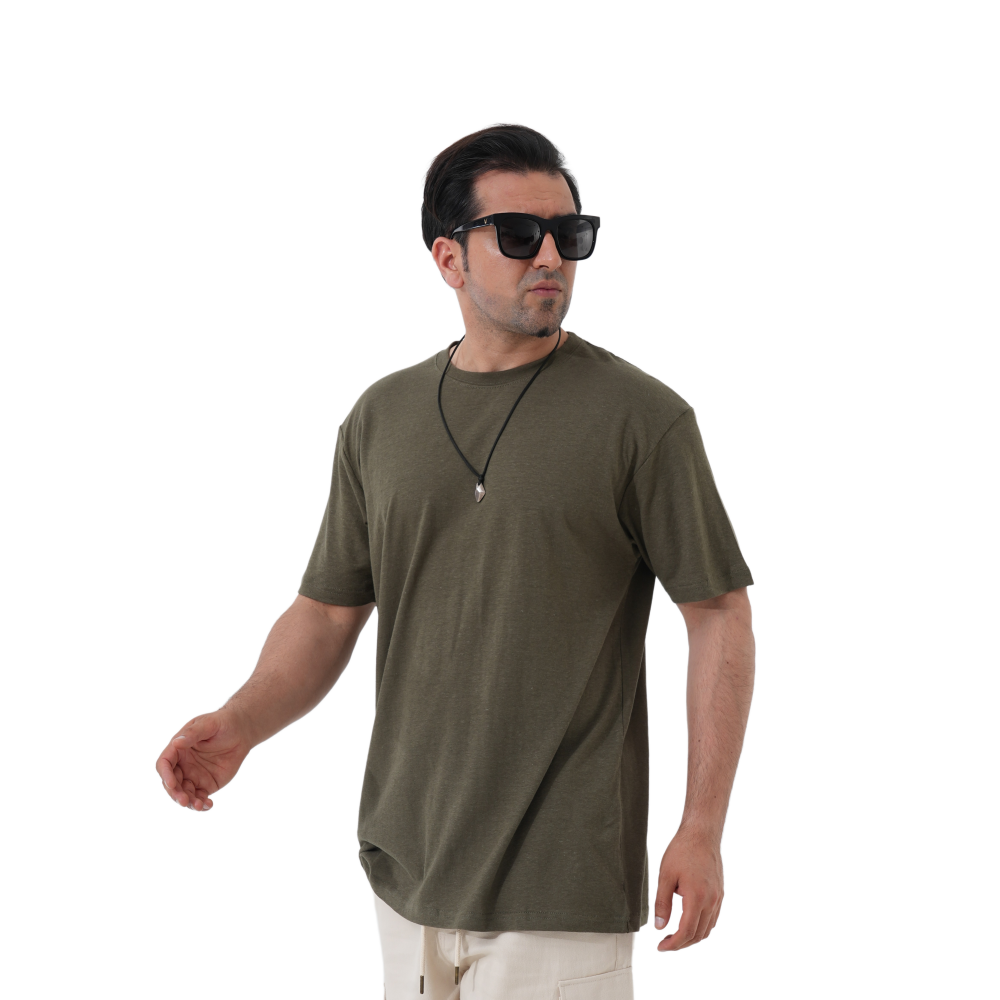
Premium garments crafted from natural fibers often require a higher initial investment than conventional cotton options. This makes durability and shape retention primary concerns when building your wardrobe. While natural hemp is exceptionally strong, knit structures like t-shirts remain susceptible to warping, shrinkage, and tension loss if subjected to incorrect laundering practices. Excessive heat and high-alkaline detergents act as the main culprits behind these frustrating structural failures. You need reliable care methods to protect your pieces from daily wear and tear. We will provide an evidence-based, step-by-step care protocol specifically designed for these unique knits. You will learn how to mitigate shrinkage risks effectively. We also explore techniques to preserve the original drape of the fabric and safeguard your clothing investment for years of wear.
Key Takeaways
Temperature Control: Wash exclusively in cold water (below 30°C/86°F) to prevent fiber contraction and structural warping.
Detergent Selection: Use mild, pH-neutral liquid detergents; avoid bleach and heavy enzymatic cleaners that break down natural cellulose fibers over time.
The Drying Rule: Heat is the primary enemy of hemp jersey fabric. Always air dry (flat or line) to maintain the garment's dimensional stability.
Frequency: Hemp’s natural antibacterial properties mean it requires significantly less frequent washing than synthetic or pure cotton alternatives.
The Mechanics of Hemp Jersey Fabric: Why Shape Loss Occurs
You must differentiate between raw material strength and fabric structure to understand garment care. Raw hemp fiber boasts incredible tensile strength. Manufacturers historically used it for industrial ropes and heavy canvas. However, t-shirts utilize a different construction entirely. They rely on a looped knit structure. We call this Hemp Jersey Fabric. This looped construction gives the garment its comfortable stretch. Unfortunately, it also introduces vulnerability. Wet knits warp easily if you pull them inappropriately. The loops stretch out of alignment and struggle to return to their original shape.
Heat sensitivity plays a massive role in structural breakdown. Hemp consists of natural cellulose fibers. High temperatures cause these cellulose fibers to swell rapidly. When they cool and dry, they contract violently. This thermal shock leads to irreversible shrinkage. Standard hemp knits often shrink between three and five percent during their first warm wash. If you abuse them in hot water regularly, shrinkage can easily exceed ten percent. Your perfectly fitted shirt quickly becomes unwearable.
Many modern garments incorporate blended materials. Hemp and cotton blends behave slightly differently than pure hemp. They often offer a bit more immediate elasticity. Cotton softens the initial texture of the knit. Despite this added flexibility, these blends require the exact same conservative care baseline. The presence of cotton does not negate the heat sensitivity of the cellulose. Treat all blends as if they were pure hemp to ensure maximum longevity.
Table 1: Structural Characteristics Comparison
Characteristic
Raw Hemp Fiber
Hemp Jersey Knit
Tensile Strength
Extremely high
Moderate (relies on loop structure)
Elasticity
Very low
High (due to knitting technique)
Heat Tolerance
Moderate
Very low (highly prone to shrinkage)
Moisture Behavior
Absorbs slowly
Absorbs quickly, becomes heavy when wet
The Standard Washing Protocol for Hemp Clothing
Proper preparation prevents mechanical damage during the wash cycle. You should always sort your laundry by weight and color. Heavy denim or thick towels will crush delicate knits inside the drum. Before washing, fasten all zippers, hooks, or buttons on adjacent garments. Open zippers act like tiny saws. They snag the delicate loops of your knits, causing immediate runs or holes. Taking two minutes to prep your load saves your expensive pieces from ruin.
Selecting the right machine cycle is non-negotiable. You must mandate the "Delicate" or "Hand Wash" setting on your machine. Low agitation reduces the intense friction responsible for micro-abrasions. Friction directly causes pilling on Hemp Clothing. The gentler the cycle, the longer the surface of your shirt remains smooth and refined.
Water temperature dictates the survival of the garment's shape. Standardize cold water washing for all your natural knits. Many people hold the misconception regarding warm water. They believe it is strictly necessary for thorough cleaning. Modern liquid detergents perform exceptionally well in cold water. Cold water preserves the fiber tension and entirely eliminates the risk of thermal shrinkage.
Detergent selection requires careful attention to ingredients. You need mild, liquid, eco-friendly detergents. Powder detergents present significant risks. They often fail to dissolve completely in cold water. This leaves gritty residue trapped inside the knit loops. You must also strictly avoid fabric softeners. Softeners coat the natural fibers in chemical waxes. This coating ruins hemp's natural breathability and traps odor-causing bacteria against your skin.
Sort and Prep: Separate heavy items from delicate knits and close all hardware.
Load the Drum: Avoid overloading to ensure garments move freely without intense friction.
Set the Cycle: Select "Delicate" or "Hand Wash" with the lowest possible spin speed.
Set the Temp: Lock the water temperature to Cold (below 30°C/86°F).
Add Detergent: Measure a conservative amount of pH-neutral liquid detergent.
Drying and Reshaping: Mitigating the Highest Risk Phase
The transition from wet to dry represents the most dangerous phase of garment care. Explicitly state the rules of your laundry room: mechanical dryers destroy natural knits. The combination of high heat and aggressive tumbling breaks down fibers rapidly. It guarantees structural distortion. The intense heat cooks the cellulose, while the tumbling physically beats the weakened fibers until they warp. Tumble drying is the fastest way to ruin your investment.
Moisture extraction requires a delicate touch. You should strictly advise against aggressive wringing. Twisting a wet shirt destroys the side seams and stretches the collar permanently. Instead, we recommend the towel roll method. Lay a clean, dry bath towel flat on the floor. Place your wet shirt flat on top of it. Roll the towel up like a tight burrito, trapping the shirt inside. Press down firmly on the rolled towel. The dry cotton absorbs the excess water without stressing the hemp fibers.
Reshaping your garments while damp is a critical professional technique known as blocking. Once you extract the heavy moisture, lay the damp t-shirt flat on a dry surface. Gently pull the side seams so they align perfectly. Smooth out the hem and the collar. Nudge the fabric back to its original dimensions. The fibers will remember this shape as they dry. This simple step prevents the dreaded twisting side-seam effect common in poorly dried shirts.
Drying positioning finalizes the shape-retention process. We highly recommend flat drying on a mesh rack for heavier knits. Gravity pulls heavy wet fabric downward, stretching it out of proportion. If you must line dry, drape the shirt carefully over the line rather than hanging it by the shoulders. Always avoid direct, prolonged UV exposure. Intense sunlight bakes the fibers and causes uneven fading across the garment.
Do: Use a mesh drying rack to allow 360-degree airflow.
Do: Reshape collars and hems gently while the fabric is still damp.
Don't: Hang a soaking wet knit on a narrow wire hanger.
Don't: Place drying racks directly over active heating vents or radiators.
Maximizing ROI: Why You Should Wash Hemp T-Shirts Less Frequently
Natural antimicrobial properties give hemp a distinct advantage over synthetics. Understanding the science behind this helps you change your laundry habits. Hemp fibers are highly porous and breathable. They create an oxygen-rich environment against your skin. Odor-causing bacteria and mildew thrive in dark, moist, anaerobic environments. Because hemp breathes so well, these bacteria simply cannot survive on the fabric. Your Hemp T-Shirts naturally resist the funky smells that plague polyester workout gear.
You need a paradigm shift regarding laundry frequency. We propose a new wear-to-wash ratio. Most people wash shirts out of sheer habit after a single wear. This is unnecessary and damaging. Instead, recommend spot-cleaning minor spills immediately. Air out your garments overnight by hanging them in a well-ventilated room. You can easily wear a high-quality hemp shirt three to four times before it actually requires a full submersion wash.
Reduced washing frequency connects directly to positive longevity outcomes. Every trip through the washing machine degrades a garment slightly. By cutting your wash frequency in half, you double the physical lifespan of the shirt. You ensure better color retention by minimizing detergent exposure. You sustain the structural integrity of the knit over years rather than months. This simple behavioral change entirely justifies the initial premium cost of natural clothing.
Chart 1: Recommended Wear-to-Wash Ratio by Fabric Type
Fabric Type
Average Wears Before Washing
Primary Odor Resistance Level
100% Polyester
1 Wear
Very Low (traps bacteria)
Conventional Cotton
1 - 2 Wears
Moderate
Merino Wool
4 - 5 Wears
Extremely High
100% Hemp Knit
3 - 4 Wears
High (naturally antimicrobial)
Troubleshooting Advanced Care Scenarios (No Tags & Designer Blends)
Navigating missing care labels can feel intimidating. Vintage, upcycled, or tagless garments require a foolproof "blind-wash" methodology. When you do not know the exact blend, assume the most fragile scenario. Default immediately to a cold sink-soak. Fill a clean basin with cold water and a few drops of mild soap. Submerge the garment and gently agitate the water by hand. Let it soak for ten minutes, rinse thoroughly in cold water, and lay it flat to dry. This method is universally safe for all natural knits.
Handling high-end or designer pieces requires strict risk-mitigation. Expensive designer pieces often feature heavily textured knits or proprietary luxury blends. You want to avoid traditional toxic dry cleaning. Chemical solvents strip the natural oils from cellulose fibers, leaving them brittle and prone to snapping. Instead, seek out professional wet-cleaning. Professional wet-cleaners use specialized computer-controlled machines. They utilize gentle water immersion and biodegradable detergents to clean luxury items without agitation damage.
Stain removal realities demand patience and a delicate touch. You need safe, non-destructive stain treatments. If you drop food on your shirt, address it immediately. Use a tiny drop of mild dish soap and cold water. Dab the spot gently using a clean white cloth. Never scrub harshly. Harsh scrubbing tears the localized knit loops. It creates a permanent fuzzy patch that ruins the visual texture of the shirt. Rinse the spot with cold water and let it air dry naturally.
Conclusion
Always default to cold water and low-agitation machine cycles to protect fiber tension.
Reduce your wash frequency to capitalize on the fabric's natural antimicrobial properties.
Address stains through gentle dabbing rather than aggressive scrubbing to prevent localized damage.
Adopt professional blocking techniques by reshaping damp garments before they dry.
Maintaining the perfect shape of your favorite knits is not overly complex. However, the fabric remains strictly intolerant of heat and high friction. Adhering to this cold-water, air-dry protocol ensures your clothing softens beautifully over time. The drape improves with age. Protecting your wardrobe through intentional care validates your purchase decision and rewards you with garments that look pristine for years to come.
FAQ
Q: Can I fix a hemp t-shirt that has already shrunk?
A: Minor shrinkage is sometimes reversible. You can soak the garment in cool water with a splash of mild hair conditioner to relax the fibers. Gently stretch the fabric back to its original shape while laying it flat on a towel. However, severe shrinkage caused by high dryer heat physically alters the cellulose structure and is permanently irreversible.
Q: Does hemp fabric pill after multiple washes?
A: Mild surface fuzzing represents a normal aging process for all natural fibers. However, aggressive pilling usually indicates heavy mechanical friction during the wash cycle. You can minimize this significantly by turning shirts inside out, washing them on delicate cycles, and avoiding overloading the drum. A fabric shaver easily removes minor pills.
Q: Should I iron my hemp clothing to restore its shape?
A: We strongly recommend steaming over direct ironing. A handheld garment steamer relaxes the cellulose fibers safely. It removes wrinkles without crushing the natural texture of the knit. If you must use an iron, always iron the garment inside out on a low setting while the fabric is slightly damp.
Q: Is dry cleaning safe for 100% hemp t-shirts?
A: Traditional dry cleaning uses harsh chemical solvents. These chemicals strip the natural integrity of cellulose fibers, degrading the material over time. It is entirely unnecessary for casual jersey knits. Gentle cold-water washing at home provides superior cleaning results while drastically extending the lifespan of the garment.
We welcome you to join our hemp fashion journey, experience the cool comfort and environmental value of hemp, and jointly support the sustainable development of the fashion industry.