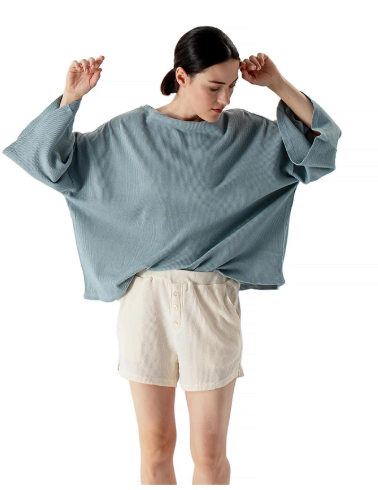
Is cotton really sustainable? As environmental awareness increases, many consumers are questioning the sustainability of their clothing choices. Traditional cotton has long been a staple in the textile industry, but is it truly sustainable? Hemp offers a greener alternative. Organic Hemp T-shirts reduce water. In this article, we will compare hemp and cotton from a sustainability perspective, discussing key factors such as water use, pesticide application, CO2 storage, durability and the environmental impacts of textile production. By the end, you'll understand why hemp is a more sustainable choice compared to cotton.
Environmental Impact Comparison
Water Usage in Hemp vs Cotton
One of the most significant environmental advantages of hemp over cotton is its vastly lower water consumption. Producing one kilogram of hemp fiber requires just 4.23 liters of water, while cotton, which is known for its high water demand, uses 57.10 liters per kilogram. This discrepancy is especially crucial in water-scarce regions, where cotton farming often requires irrigation that strains local water resources. Hemp's dense growth also reduces water evaporation, making it a more efficient crop in terms of water use. As climate change intensifies the pressure on global water resources, choosing hemp can help mitigate some of these challenges.
Table 1: Water Use Comparison (per kg fiber)
| Fiber | Water Use (L/kg) |
| Hemp | 4.23 |
| Cotton | 57.10 |
Hemp is especially suited for regions with water scarcity, as it requires significantly less water, helping to preserve local water sources.
Pesticides and Chemical Use
Hemp is a naturally resilient crop that requires minimal chemical intervention. It is highly resistant to pests and diseases, reducing the need for herbicides and pesticides that can harm the environment. In contrast, cotton farming is heavily reliant on chemical inputs, including synthetic pesticides and herbicides. These chemicals can leach into the soil and water, posing a risk to biodiversity and local ecosystems. Hemp cultivation also benefits soil health by maintaining soil integrity and minimizing the need for fertilizers, whereas cotton farming often requires more intensive chemical inputs.
Selecting organic hemp ensures that no synthetic chemicals are used in the cultivation process, aligning with environmentally-conscious practices. On the other hand, cotton cultivation, even when grown organically, still relies on more chemicals than hemp and has a greater environmental footprint.
CO2 Storage and Greenhouse Gas Emissions
Another key environmental benefit of hemp is its ability to sequester carbon during growth. Hemp absorbs carbon dioxide from the atmosphere and fixes it in both its biomass and the soil, effectively reducing greenhouse gas emissions. This makes hemp a CO2-negative crop. In comparison, cotton farming releases more carbon dioxide due to the heavy irrigation and fertilizer requirements, contributing to greenhouse gas emissions. By choosing hemp, companies and consumers can help offset the environmental impacts associated with fiber production.
Hemp's ability to store carbon is a critical feature in the fight against climate change. Choosing hemp over cotton helps reduce the overall carbon footprint of the textile industry.
Land Efficiency and Crop Yield
Hemp is a highly efficient crop in terms of land use. It grows densely, producing more fiber per hectare than cotton. A hectare of hemp can yield between 1,200 and 2,000 kilograms of fiber, whereas cotton yields between 300 and 1,100 kilograms per hectare. Hemp's high yield per acre allows it to thrive in diverse climates, including colder, hotter, and drier regions. This makes hemp a more versatile crop compared to cotton, which requires more specialized growing conditions and larger amounts of land for the same amount of fiber output.
Hemp's ability to grow in less fertile soil also reduces the need for land clearance, helping to preserve natural habitats. This makes hemp a more sustainable choice for local cultivation, especially when it comes to reducing the environmental impact associated with transportation.
Durability and Longevity
Tensile Strength Comparison
Hemp fibers are naturally stronger than cotton fibers, making them more durable and resistant to wear and tear. Hemp's tensile strength is nearly twice that of cotton, which means hemp garments are less likely to tear or lose their shape over time. This characteristic translates into longer-lasting clothing, reducing the frequency of replacements and, in turn, lowering the environmental cost associated with textile waste.
Lifespan of Garments
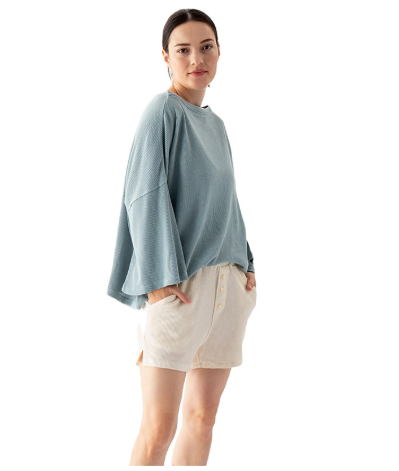
Organic Hemp T-shirts have a longer lifespan than their cotton counterparts. Hemp fibers are more resistant to the usual wear and tear, such as shrinking, pilling, and fading. Hemp garments often last up to twice as long as cotton garments, meaning consumers will need to replace them less frequently. This reduction in garment turnover contributes to less textile waste and a smaller carbon footprint. By investing in hemp clothing, consumers can reduce their overall environmental impact over the long term.
Resistance to Wear and Tear
Unlike cotton, which tends to degrade faster under repeated washes, hemp fibers are more resilient. Hemp garments maintain their structural integrity for longer periods, resulting in less waste over time. Cotton, while soft and comfortable at first, tends to lose its softness and shape after multiple washes. Hemp's resistance to pilling and fading further enhances its longevity, making it a practical choice for sustainable fashion.
Sustainability in Textile Production
Organic Certification Standards
Hemp can be grown and processed under organic standards, such as the Global Organic Textile Standard (GOTS) or the EU Organic certification. Organic certification guarantees that the hemp used in textile production is grown without synthetic fertilizers or genetically modified organisms (GMOs), ensuring a lower environmental impact. Hemp fibers that are not certified may still be sustainable, but the lack of certification means there's no guarantee of adherence to organic practices.
Biodegradability and Circularity
Hemp is fully biodegradable, which means that it breaks down naturally over time without causing harm to the environment. Many synthetic fibers, and even cotton blends, do not biodegrade, contributing to long-term waste in landfills. While hemp fibers themselves are biodegradable, challenges arise when they are blended with other materials such as cotton or synthetics. Recycling hemp can also be difficult unless the fiber is pure.
By choosing pure hemp garments, consumers and businesses can ensure that the products they purchase will decompose naturally, contributing to a circular economy.
Energy Use and Fossil Fuel Considerations
The energy required for extracting hemp fibers is relatively high due to the coarse bast fibers that require softening. However, with innovations in processing technologies, the energy input required for hemp fiber extraction is gradually decreasing. As the industry advances, hemp's energy requirements will become more balanced, allowing for more sustainable production practices. Investing in modern processing techniques can further enhance the sustainability of hemp textiles.
Antibacterial and Functional Benefits
Natural Antimicrobial Properties
Hemp has natural antibacterial properties due to the presence of cannabinoids in the fibers. These properties help to reduce odors and keep garments fresher for longer. This feature makes hemp particularly suitable for clothing that needs to be worn repeatedly, such as athletic wear or undergarments. By reducing the need for frequent washing, hemp garments contribute to water and energy savings.
UV Protection and Outdoor Wear
Hemp offers natural UV resistance, which makes it an excellent choice for summer collections or outdoor wear. Its ability to block harmful UV rays helps protect the skin, making hemp-based garments ideal for those who spend extended periods in the sun.
Moisture Wicking and Breathability
Hemp fibers are highly breathable and have excellent moisture-wicking properties. This makes hemp an ideal material for garments that require both comfort and functionality, such as activewear or outdoor clothing. Hemp's breathability ensures that wearers stay cool and dry, even in warm or humid conditions.
Economic and Market Considerations
Cost Comparison
While hemp textiles are generally more expensive upfront due to limited supply and the complexity of processing, their durability and longer lifespan provide significant long-term savings. Hemp garments typically last longer than cotton ones, reducing the need for replacements and lowering overall lifecycle costs. As the demand for hemp textiles increases, economies of scale will likely bring the price down.
Supply Chain and Availability
The availability of organic hemp remains limited, though innovations in sustainable farming and processing technologies are helping to expand supply. New technologies and circular supply chain models are helping to meet growing demand. As the market for organic hemp grows, the availability of sustainable hemp textiles will increase.
Consumer Adoption and Trends
The growing consumer demand for eco-friendly and sustainable clothing has driven interest in organic hemp garments. Transparency in sourcing and sustainability practices is critical for building trust and brand loyalty. B2B buyers, in particular, should focus on companies that provide clear lifecycle data and certifications to ensure the authenticity and sustainability of their products.
Practical Tips for Choosing Sustainable Hemp Clothing
Recognizing Genuine Organic Hemp
When purchasing hemp clothing, always look for certifications such as the GOTS logo or EU organic certification to ensure that the hemp is genuinely organic and produced according to strict environmental standards.
Selecting Quality Fabrics
To ensure the longevity of hemp garments, check the fiber length, weave tightness, and finishing processes. High-quality hemp fabrics will last longer and provide better comfort.
Maintenance Tips
To extend the life of hemp garments, wash them in cold water and air-dry to preserve the fibers’ strength and reduce energy consumption during laundering.
Brands and Recommendations
Partner with suppliers that offer transparent sourcing and verified certifications for organic hemp products. This will ensure that the hemp used in their clothing is sustainably sourced and produced according to environmental standards.
Conclusion
In conclusion, hemp is a more sustainable choice than cotton across multiple environmental dimensions, including water use, pesticide reliance, CO2 storage and land efficiency.
Organic hemp T-shirts offer extended durability, natural antibacterial properties, and superior UV protection. By choosing hemp, consumers and businesses can reduce their environmental footprint while supporting sustainable farming practices. NS HEMP is dedicated to providing high-quality, eco-friendly hemp fabrics, ensuring a sustainable future for fashion-conscious consumers.
FAQ
Q: What makes hemp more sustainable than cotton?
A: Hemp uses less water, fewer pesticides, and stores more CO2, improving hemp vs cotton environmental impact.
Q: Are Organic Hemp T-shirts better for the environment?
A: Yes, Organic Hemp T-shirts reduce water use and chemicals compared to cotton, lowering overall environmental impact.
Q: How long do hemp garments last?
A: Hemp fabrics, including Organic Hemp T-shirts, last longer than cotton, resisting wear and tear over time.


