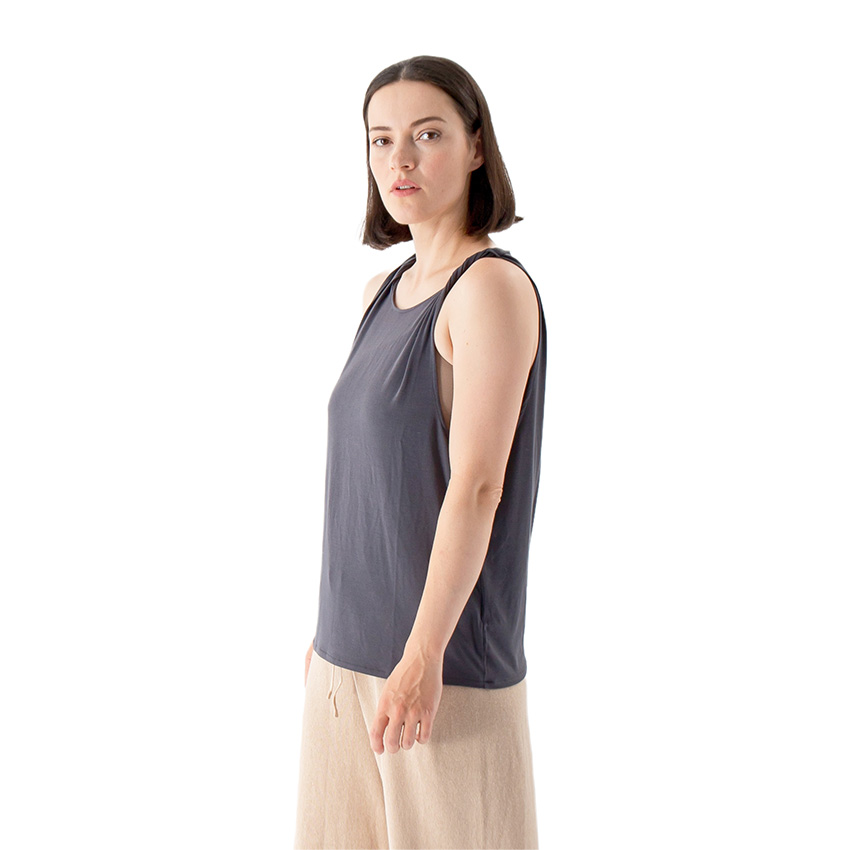
Synthetic base layers consistently promise peak performance but routinely deliver trapped odors, skin irritation, and invisible microplastic pollution. We challenge this activewear status quo today. Relying on petroleum-based fabrics forces athletes to compromise their health and the environment during every workout.
Consumers are actively transitioning toward natural, plastic-free activewear to solve these persistent issues. Hemp emerges as the superior, heritage-backed performance fiber in this crucial industry shift. It offers a cleaner, safer, and tougher alternative to traditional workout gear.
A high-quality Hemp Singlet offers unmatched thermoregulation, natural antimicrobial properties, and extreme durability. It serves as the definitive choice for conscious athletes evaluating a transition away from polyester. You will discover exactly why natural fibers outperform synthetics in high-intensity scenarios throughout this guide.
Key Takeaways
Odor Resistance: Hemp fibers naturally resist the biofilm buildup that causes synthetic activewear to retain sweat odors.
Thermoregulation: Hollow fiber structure breathes in high heat and provides unexpected insulation during cool outdoor sessions.
Durability & Softening: Unlike synthetics that degrade, hemp singlets possess high tensile strength and soften progressively with every wash.
Zero Microplastics: 100% natural and biodegradable, eliminating plastic shedding during high-friction workouts and machine washing.
The Base Layer Problem: Why Synthetics Are Failing Active Consumers
The "Poly-Stink" Reality
Polyester dominates the activewear market due to its cheap manufacturing costs. It holds a dark secret regarding body odor. The synthetic matrix of polyester actively traps Micrococcus bacteria. These specific bacteria thrive on the fatty acids found in human sweat. They multiply rapidly inside the petroleum-based fibers.
You cannot simply wash this problem away. The bacteria form a stubborn biofilm within the fabric structure. This film acts like a protective shield against standard laundry detergents. Warm water and soap bounce right off it. Consequently, synthetic athletic wear retains permanent odor despite frequent washing. You might notice your favorite running shirt smelling clean out of the dryer, only to reek minutes into your warmup.
Microplastic Shedding Risk
Every time you wash a synthetic base layer, you contribute to invisible pollution. Petroleum-based fibers break down under the mechanical stress of your washing machine. Hundreds of thousands of microscopic plastic fragments shed into the water supply during a single laundry cycle.
Wastewater treatment plants cannot filter out these tiny particles. They flow directly into our oceans, rivers, and ultimately, our food chain. High-friction workouts also cause dry shedding. You literally drop plastic dust onto forest trails while hiking or running. This environmental and health friction point demands a viable, biodegradable alternative.
The Comfort Compromise
Brands market synthetics heavily for their moisture-wicking capabilities. You must understand the mechanics behind this claim. Raw polyester repels water naturally. Manufacturers coat the fabric in harsh chemical treatments to force it to absorb and disperse sweat.
These chemical finishes are temporary. They break down and wash out over time. Your moisture-wicking shirt eventually reverts to its natural, water-repelling state. It stops pulling sweat away from your skin. You end up wearing a clammy, non-breathable plastic bag. This creates an uncomfortable microclimate against your body during intense physical exertion.
Core Performance: How a Hemp Singlet Behaves Under Pressure
Moisture Management Reality
We need to frame the fundamental difference between moisture-wicking synthetics and moisture-absorbing natural fibers. Synthetics forcefully push sweat across a chemical barrier. Hemp actually absorbs moisture directly into its core. You might worry about feeling drenched in a natural fabric. However, hemp possesses a uniquely porous nature.
It pulls sweat off your skin rapidly. The wide surface area of the fiber then allows for aggressive evaporation. You do not experience the clinging, sticky sensation associated with damp polyester. A well-designed Hemp Singlet manages high sweat volumes gracefully. It keeps you dry through a purely mechanical, chemical-free process.
Thermoregulation Dynamics
Textile scientists revere hemp for its microscopic architecture. Break open a hemp fiber, and you find a distinct hollow core. This hollow structure acts as a dynamic temperature regulator. It traps tiny pockets of air against your body.
These air pockets warm you effectively during crisp alpine starts or chilly morning runs. As your core temperature rises, the fiber adapts. The porous walls allow superior airflow to vent excess heat. You stay warm when the wind bites and cool when the summer sun beats down. This dual-action thermoregulation eliminates the need for constant layer shedding during variable weather.
Natural Antimicrobial Properties
Nature engineered hemp to survive harsh outdoor conditions. The plant produces inherent compounds to fight off mold, mildew, and bacterial rot. These fungal and bacterial resistances carry over directly into the woven fabric. They prevent the dreaded biofilm buildup that plagues synthetic gear.
This biological advantage translates into a massive, tangible benefit. You can wear the singlet multiple times between washes. Backpackers and ultra-runners rely on this feature during multi-day treks. You save pack weight, reduce water usage, and stay socially acceptable on the trail without relying on toxic silver-ion treatments.
Hemp vs. Polyester vs. Merino Wool: The Material Showdown
Hemp Singlet vs. Polyester
We see stark contrasts when pitting natural durability against synthetic manufacturing. Hemp boasts exceptional tensile strength. It ranks roughly three times stronger than standard cotton. It resists tearing and stretching under heavy athletic loads. Polyester, conversely, suffers from severe pilling. Friction causes synthetic fibers to snap and roll into abrasive little balls.
Odor control presents another massive divergence. We established hemp’s natural microbial resistance earlier. Polyester requires heavy chemical dependency to achieve even temporary odor control. You must choose between natural biology and fleeting chemical coatings.
Hemp Singlet vs. Merino Wool
Merino wool holds a legendary status in the outdoor industry. Yet, a rugged Hemp Singlet outperforms it in several key arenas. Abrasion resistance stands out first. Lightweight merino is notoriously delicate. It develops holes quickly when subjected to constant pack-rubbing or dense bushwhacking. Hemp withstands rough terrain effortlessly.
Temperature use cases also differ significantly. Merino excels in sub-zero conditions but often feels too insulating in humid, hot climates. Hemp thrives in warm-to-hot weather. It breathes better and dries faster when the mercury spikes, offering unmatched summer performance.
Cost-to-Value Ratio
Natural performance fibers carry a premium price tag at the register. You must evaluate this through the lens of cost-per-wear. Synthetics degrade rapidly, requiring frequent replacements. They lose shape, trap odors permanently, and pill beyond repair.
Hemp features an extended, robust lifespan. It survives years of rigorous washing and wearing. The upfront investment amortizes beautifully over hundreds of workouts. You spend less money over a five-year period by investing in a single durable natural garment rather than cycling through a dozen cheap synthetic shirts.
Visualizing the Material Showdown
The following chart illustrates how these three popular materials stack up across critical performance metrics. We measure them on a scale of 1 to 10 for clarity.
Performance Metric
Hemp
Polyester
Merino Wool
Durability
9/10
6/10
4/10
Odor Resistance
9/10
2/10
10/10
Hot Weather Comfort
8/10
5/10
6/10
Microplastic Free
Yes (100%)
No (0%)
Yes (100%)
Evaluating True Sustainability: Looking Beyond the "Eco" Label
Agricultural Impact
You must trace a garment back to the soil to judge its true ecological footprint. Hemp cultivation demands remarkably low inputs. The crop requires roughly 50% less water than traditional cotton to reach maturity. It grows aggressively, naturally choking out competitive weeds.
This aggressive growth means farmers need zero synthetic pesticides or herbicides. Furthermore, hemp actively heals the earth. It performs phytoremediation. The deep roots pull heavy metals and toxins out of degraded soil. The plant leaves the farmland healthier than it found it. Very few agricultural crops can boast this regenerative superpower.
Avoiding "Greenwashing"
Marketing departments love exploiting eco-conscious consumers. You need a sharp eye to spot greenwashing in the activewear aisle. Brands frequently advertise "hemp-infused" performance wear. Read the tag carefully. You often find a blend containing just 5% hemp and 95% recycled polyester.
These deceptive blends defeat the entire purpose of natural activewear. They still trap odors. They still shed microplastics into the ocean. You must seek out 100% natural compositions. Look strictly for pure hemp or intentional hemp/organic cotton blends to secure the actual performance benefits.
Certifications to Look For
Navigating sustainable claims requires an understanding of global textile standards. Look for these specific third-party validations before purchasing:
GOTS Certification: The Global Organic Textile Standard guarantees the organic status of the fibers. It ensures environmentally and socially responsible manufacturing throughout the entire supply chain.
Oeko-Tex Standard 100: This critical certification proves the final garment contains zero harmful chemicals. It tests for toxic dyes, heavy metals, and dangerous finishes against your skin.
Fair Trade Manufacturing: This ensures the factory workers who sewed your garment received living wages and operated in safe, ethical conditions.
Fit, Care, and Wear: Implementation Realities
The Break-In Period
We must set transparent expectations regarding your first wear. A brand new Hemp Singlet feels slightly textured out of the box. It does not possess the slick, artificial drape of fresh polyester. Do not let this initial stiffness deter you.
Natural fibers undergo a mechanical softening process. The structural bonds of the fiber relax slightly with body heat and movement. Every time you wash it, the fabric grows dramatically softer. It eventually develops a custom, buttery drape tailored specifically to your body shape. The patience required during the first few wears pays massive comfort dividends long-term.
Sizing and Shrinkage Assumptions
Natural fibers behave like living materials. They react to water and heat. You should expect minor shrinkage during the first wash cycle. Many premium brands pre-shrink their garments to prevent surprises. However, you should verify this detail before checking out.
If the brand explicitly states the item is not pre-shrunk, advise sizing up. A looser fit enhances airflow anyway. A tight, constricting singlet traps heat and limits mobility during complex climbing or lifting movements. Prioritize functional drape over skin-tight aesthetics.
Washing Best Practices
Proper care maximizes the lifespan of your investment. Hemp requires gentle handling in the laundry room to protect its unique fiber integrity. Follow these actionable rules:
Always use a cold wash cycle: Hot water shocks the fibers and causes severe, irreversible shrinkage.
Choose a mild, natural detergent: Harsh chemical enzymes strip the natural protective oils from the fabric.
Skip the fabric softener: Softeners coat the fibers in a waxy residue, destroying their breathability and moisture-absorbing capabilities.
Air dry exclusively: Hang the garment on a line. Machine heat damages the tensile strength and alters the garment's shape.
Buying Guide: How to Shortlist the Right Hemp Singlet
Optimal Blend Ratios
Pure, 100% hemp fabric feels phenomenal but can feel heavy for high-output cardio. The industry standard has settled on a sweet spot. You want to look for a 55% Hemp / 45% Organic Cotton blend.
This specific ratio balances extreme durability with immediate next-to-skin softness. The hemp provides the structural backbone, UV resistance, and odor control. The organic cotton cuts the weight slightly and adds a familiar, comforting texture. This blend hits the perfect middle ground for a versatile athletic base layer.
Construction Details
Material quality means nothing if the garment construction fails during a marathon. You must evaluate the physical tailoring of the athletic piece. Look closely at the seams. Standard overlock seams create bulky ridges that chafe severely when rubbing against a hydration pack.
Demand flatlock seams. These stitch the fabric panels side-by-side, creating a smooth, flush surface against your skin. Additionally, check for reinforced armholes to prevent tearing during wide ranges of motion. A drop-tail hem offers crucial coverage for cyclists and climbers, preventing the shirt from riding up during deep forward bends.
Brand Evaluation Criteria
You vote with your wallet. Assess the companies manufacturing your gear based on their operational transparency. Do they provide clear supply chain mapping? You should know exactly where they source their raw materials and who sews them.
Examine their return policies carefully. A company confident in its fit and break-in process will offer generous testing windows. Finally, evaluate their shipping methods. It makes zero sense to order a plastic-free, sustainable base layer only to receive it wrapped in three layers of single-use polybag packaging. Demand commitment across the board.
Conclusion
Transitioning to a natural base layer represents a vital step toward responsible athleticism. We covered how synthetics fundamentally fail under pressure, trapping odors and shedding dangerous plastics. Hemp steps in to resolve these issues permanently through superior biology and structural integrity.
Keep these concise takeaways in mind:
Ditch chemical coatings for natural thermoregulation and moisture management.
Invest in fabrics offering extreme tensile strength to lower your long-term replacement costs.
Always verify the blend ratio to avoid sneaky greenwashing tactics.
Embrace the short break-in period for years of custom-tailored comfort.
Audit your current workout wardrobe today. Pull out those old synthetic shirts. Check them for permanent odor retention and rough pilling. If they fail the test, make your first transition to a high-blend hemp singlet. Your skin, your training partners, and the environment will thank you.
FAQ
Q: Does a hemp singlet feel scratchy during workouts?
A: No. The outdated myth that hemp feels like burlap stems from industrial-grade manufacturing. Modern activewear utilizes advanced mechanical finishing techniques and blends hemp with organic cotton. The fabric softens rapidly with body heat and becomes increasingly buttery and smooth after the first few wash cycles.
Q: Will a hemp singlet show sweat patches?
A: Yes. Natural fibers absorb moisture directly into their core, making sweat spots more visible compared to dark, water-repelling synthetics. However, the porous structure evaporates this moisture exceptionally fast. We recommend choosing darker colors like black or navy if visible sweat patches bother you during heavy training.
Q: Can I machine dry my hemp activewear?
A: We strongly advise against machine drying. High heat damages the structural integrity of natural fibers and causes significant shrinkage. Heat also distorts the garment's intended shape. Always air dry your base layers on a line to maximize their lifespan and preserve their performance qualities.
Q: Is a hemp base layer warm enough for winter sports?
A: Yes, but with realistic expectations. Its hollow fiber structure traps warm air exceptionally well against the skin. However, it functions primarily as a highly breathable next-to-skin layer. For extreme sub-zero conditions, you must pair it with a dedicated mid-layer fleece and an insulated shell.
We welcome you to join our hemp fashion journey, experience the cool comfort and environmental value of hemp, and jointly support the sustainable development of the fashion industry.