Upgrading polo shirt production or wardrobe choices to sustainable materials introduces a specific technical dilemma. You must choose the right knit for the right application. Sustainability matters, but performance dictates daily wearability. We know hemp offers superior environmental baseline metrics compared to conventional cotton. It requires less water and zero pesticides to thrive. However, its real-world performance heavily depends on how mills spin and knit the yarns. A poor structural choice leads to sagging collars and warped hems. This guide will move beyond high-level sustainability claims. We want to evaluate the structural, aesthetic, and functional realities of using hemp for polo shirts. You will learn the mechanical differences between pique and jersey constructions. We will also explore how each fabric behaves under embroidery, washing, and humid conditions. By the end, you will know exactly which material aligns perfectly for your specific design goals or personal style needs.
Key Takeaways
Hemp Pique Fabric utilizes a textured, geometric knit that provides structural integrity, holds a collar shape, and maximizes airflow, making it the industry standard for traditional, business-casual polo shirts.
Hemp Jersey Fabric offers a smooth, flat surface with superior drape and stretch, ideal for relaxed, casual polos or hybrid styles similar to Organic Hemp T-Shirts.
Implementation Reality: Both knits require specific care considerations regarding shrinkage and initial texture; pique is better for heavy logo embroidery, while jersey excels in lightweight comfort and screen-printing.
Understanding the Knits: Hemp Pique Fabric vs. Hemp Jersey Fabric
To design or purchase the perfect polo shirt, you must first understand fabric architecture. The knitting process determines how a textile behaves, breathes, and drapes. Hemp yarns act differently than cotton. Therefore, the choice of knit becomes even more critical for long-term garment success.
The Anatomy of Hemp Pique
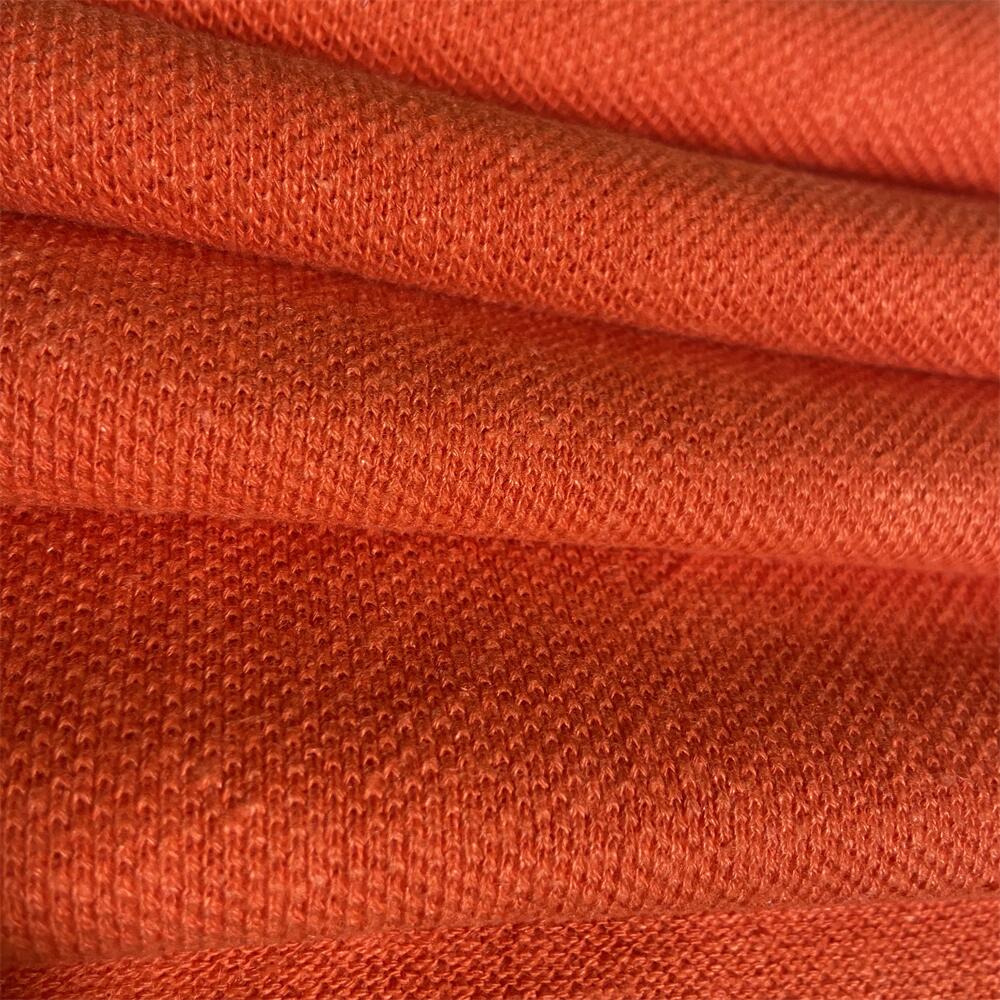
Pique relies on a complex, double-textured weaving process. Machines knit the yarns to create a geometric, honeycomb-like pattern. You might also recognize this as a waffle structure. These raised cords define the textile surface. This micro-mesh design inherent to Hemp Pique Fabric creates natural channels for airflow. The physical gaps between the raised yarns allow body heat to escape efficiently.
When selecting this material, weight matters heavily. Manufacturers measure this in grams per square meter (GSM). Typical pique polos require a GSM between 180 and 220. This specific weight range prevents unwanted transparency. It also gives the garment enough heft to maintain crisp structural lines around the shoulders and chest.
The Anatomy of Hemp Jersey
Jersey construction takes a much simpler approach. It uses a single-knit technique. This creates the flat-faced structure typical of standard Hemp Knit Fabric. If you examine a jersey shirt closely, you will see a smooth front surface. The back side features tiny, interconnected loops. This single-knit method contrasts sharply against the double-textured nature of pique.
Jersey yields a naturally elastic textile. It moves freely. It also creates a lighter, more fluid drape. The fabric falls naturally across the body rather than holding a rigid shape. Designers often select a lower GSM for this knit, usually ranging from 150 to 180. This lighter weight maximizes comfort for casual, everyday wear.
Structural Comparison: Pique vs. Jersey
Feature
Pique Knit
Jersey Knit
Surface Texture
Raised honeycomb or waffle pattern
Smooth flat face, looped back
Elasticity
Moderate stretch, retains shape well
High natural stretch, fluid movement
Breathability Mechanism
Open geometric channels allow air flow
Lightweight yarn construction
Common GSM Range
180 - 220 GSM
150 - 180 GSM
Performance & Wearability: Breathability and Moisture Management
Garment performance becomes undeniable when temperatures rise. Polo shirts originated in active sports like tennis and polo. Therefore, breathability and moisture control remain foundational requirements. Hemp naturally excels at both. However, the knit structure modifies how these natural benefits reach the wearer.
Thermal Regulation in Warm Climates
Picture a humid summer afternoon on a golf course. You begin to sweat. Here, pique proves its historical dominance. The open weave physically prevents the textile from clinging to wet skin. The raised waffle texture limits direct contact points between your body and the shirt. This creates a micro-climate of circulating air. Furthermore, the textured surface effectively masks sweat marks. The geometric shadows hide moisture spread better than flat materials.
Jersey performs differently under these same conditions. It feels exceptionally lightweight upon first wear. However, its flat surface area sits flush against the skin. When damp, jersey tends to cling. This direct contact can noticeably reduce air circulation in high-humidity environments. Sweat marks also become much more visible on a flat, smooth surface.
Durability and Pilling Resistance
Hemp utilizes bast fibers extracted from the plant stalk. These fibers grow naturally long and exceptionally strong. They resist tearing better than short cotton fibers. Yet, we must look at how the knit protects these strong fibers from daily friction.
The tightly woven, intersecting structure of pique locks yarns securely in place. This density resists abrasion remarkably well. When you rub against a desk or carry a shoulder bag, the fabric withstands the friction. Pilling remains extremely low. Conversely, jersey features looser external loops. Constant friction can coax these loops outward, leading to a slightly higher risk of surface fuzzing over time. For heavy-duty wear, pique always wins the durability contest.
Aesthetics and Drape: Matching Fabric to Dress Codes
A polo shirt bridges the gap between a formal button-down and a casual weekend tee. The fabric you select will push the garment further toward one of these two extremes. You must match the material to the intended dress code.
Structure vs. Stretch
Business casual environments demand neat, tidy appearances. You need structural integrity to achieve this. The rigid nature of pique becomes strictly necessary for formal Hemp Polo Shirts. A professional polo requires a crisp collar. It needs a stiff placket to hold buttons securely. Pique provides the stiffness required to support interfacing and tailored cuts. The collar stands up proudly rather than collapsing around the neck.
Jersey behaves entirely differently. It yields a relaxed, slubby drape. The material flows over the shoulders and chest. It lacks the rigidity to support a stiff, standing collar. Instead, it leans heavily into a weekend or athleisure aesthetic. A jersey polo looks laid-back. It fits perfectly at a resort, a casual lunch, or during a long travel day.
Visual Texture and Light Reflection
The human eye perceives these fabrics uniquely based on light reflection. Pique absorbs light differently due to its three-dimensional surface. It provides a matte, textured depth. This depth adds visual interest to solid colors. It makes a simple navy or black shirt look sophisticated and expensive.
Jersey offers a smoother, occasionally lustrous finish. Depending on the yarn finishing process, it can reflect light more uniformly. This smooth surface mimics the appearance of a premium t-shirt. If you want a sleek, uninterrupted block of color, jersey delivers.
Manufacturing, Embellishment, and Care Risks
Transitioning from design theory to actual production introduces tangible risks. Hemp textiles require specific handling techniques. Ignoring these technical realities will result in ruined garments and dissatisfied wearers.
Embroidery and Branding Compatibility
Corporate uniforms and golf apparel heavily feature chest logos. You must consider how the fabric handles a needle and dense thread. This highlights a massive implementation risk.
Heavy corporate logos will severely pucker lightweight jersey. The dense thread count of an embroidered crest pulls the stretchy fabric inward. This creates an ugly, warped circle around the logo. Jersey simply lacks the tension required to support dense stitching. Pique provides the necessary backing. The honeycomb structure locks the embroidery in place. It prevents sagging and maintains a clean, professional chest presentation.
Best Practices for Embellishment
Always use pique for designs requiring stitched logos larger than two inches.
Apply appropriate stabilizer backing behind any embroidery on hemp blends.
Reserve jersey fabrics strictly for screen-printing or lightweight heat transfers.
The Shrinkage Factor
Consumers and manufacturers alike worry about shrinkage. Hemp possesses a natural shrinkage rate, typically resting between 3% and 5%. How this shrinkage manifests depends entirely on the knit.
The waffle structure of pique can contract noticeably after the first warm wash. The yarns pull together, which can shorten the garment length. Jersey, being a flat structure, tends to shrink more uniformly across the width and length. Manufacturers must address this reality beforehand. You must source pre-shrunk fabrics whenever possible. If pre-shrinking is unavailable, pattern makers must add specific sizing allowances. Consumers should always wash these garments on cold cycles and avoid high-heat tumble drying.
Common Mistakes in Fabric Care
Washing untreated hemp knits in hot water, resulting in immediate sizing loss.
Using high-heat commercial dryers, which damages the long bast fibers.
Failing to communicate proper care instructions clearly on the garment label.
Softening Over Time
Brands must set transparent consumer expectations. 100% hemp knits start stiffer than traditional combed cotton. Some buyers might initially perceive this as roughness. You need to outline exactly how the fabric ages.
Both pique and jersey break in beautifully. They soften with repeated mechanical washing. The friction of the washing machine gently relaxes the bast fibers. Over a few months, the garment develops a luxurious, customized softness. Crucially, this softening process occurs without losing tensile strength. The shirt becomes softer but never weaker.
The Decision Framework: Shortlisting Your Ideal Fabric
Choosing between these two excellent options requires a clear evaluation of your end goals. Ask yourself where the shirt will be worn. Consider how it will be branded. Think about the target audience.
Choose Hemp Pique If:
Your primary use case involves business-casual office wear, uniform programs, or traditional golf apparel.
The visual design requires heavy embroidery, patches, or dense thread logos on the chest.
You require a crisp, standing collar and a highly structured button placket.
Durability against daily desk friction and heavy laundering remains a top priority.
Your buyers prefer a garment that hides sweat well during hot summer days.
Choose Hemp Jersey If:
You are aiming for a relaxed, ultra-casual polo style, such as resort wear or retro Johnny-collar shirts.
You prioritize immediate skin-softness and maximum fluid drape over rigid tailoring.
You are transitioning a design originally meant for standard Organic Hemp T-Shirts into a collared silhouette.
You plan to use screen-printing techniques rather than stitched embroidery for branding.
You want to utilize a standard Hemp Jersey Fabric across both t-shirt and polo production lines to streamline sourcing.
Conclusion
The textile you choose dictates the entire personality of the polo shirt. Jersey undeniably offers unmatched casual comfort and an effortless drape. However, pique remains the objective superior choice for traditional polo applications. Its structural stability holds collars perfectly in place. Its geometric weave enhances breathability while masking moisture. Furthermore, it delivers the professional finish required for modern business-casual wardrobes.
Before launching a production run or upgrading your closet, take deliberate action. Request physical fabric swatches of both knits in various GSM weights. Wash-test these samples rigorously to monitor shrinkage and observe how the drape evolves. By testing these mechanical properties firsthand, you guarantee a finished product that looks sharp, feels excellent, and lasts for years.
FAQ
Q: Is hemp pique fabric rougher than cotton pique?
A: Initially, 100% hemp can feel more textured or rigid than conventional cotton. However, it softens significantly after the first few washes while maintaining higher tensile strength. Many brands use a hemp-organic cotton blend to balance initial softness with durability.
Q: Does hemp jersey fabric shrink more than hemp pique?
A: Both fabrics are prone to shrinkage if not pre-washed. Jersey tends to shrink more uniformly, whereas pique can contract slightly more in length due to its structural weave. Always wash on cold and air dry to mitigate risks.
Q: Can I use a jersey knit for a uniform polo shirt?
A: It is not recommended for traditional uniforms. Jersey lacks the rigidity to support standard uniform collars and heavy embroidered logos, which will cause the fabric to sag. Pique is the industry standard for this application.
We welcome you to join our hemp fashion journey, experience the cool comfort and environmental value of hemp, and jointly support the sustainable development of the fashion industry.