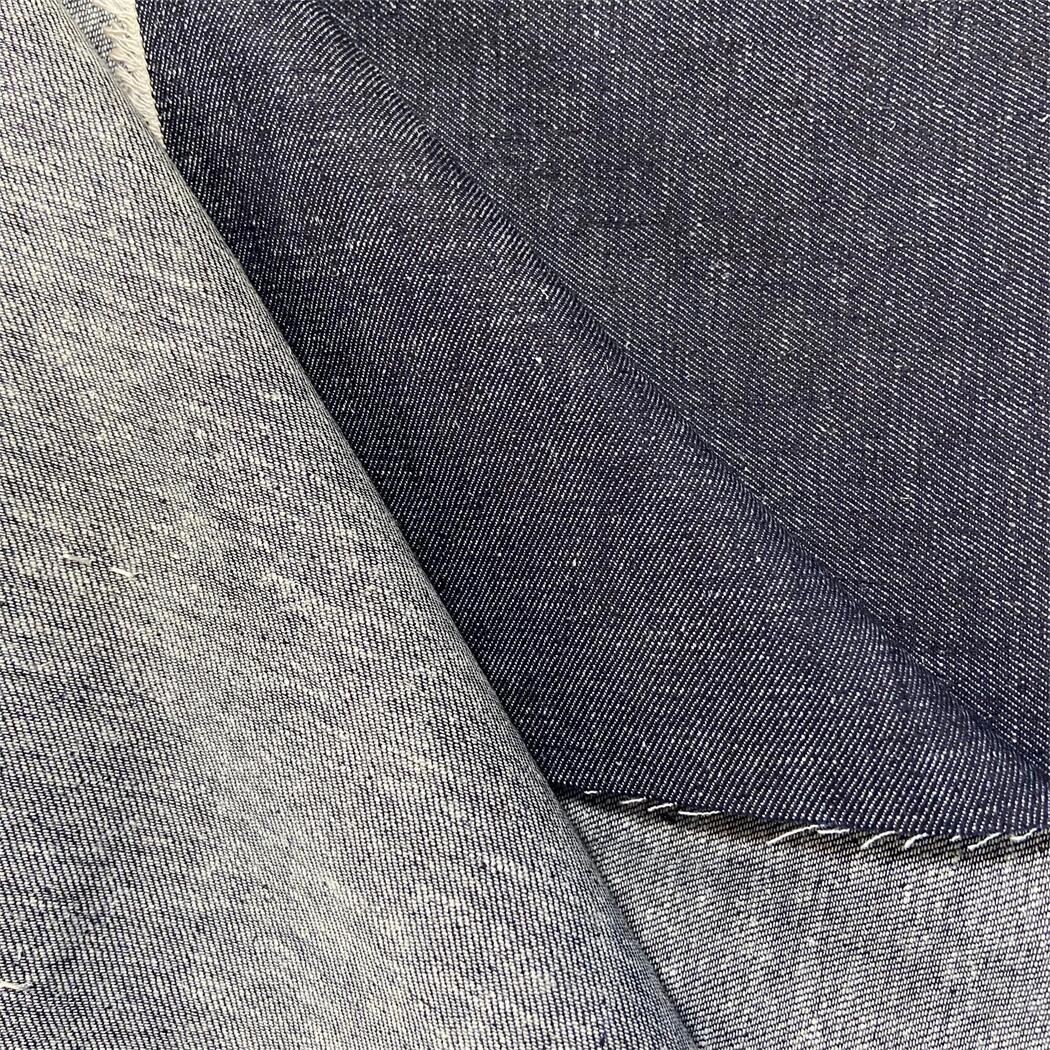
The global denim industry faces mounting pressure to reduce reliance on resource-heavy virgin cotton. Environmental concerns are prompting apparel brands to rapidly evaluate alternative bast fibers. Standard cotton remains the global industry default due to its inherent softness. It also benefits from a deeply established, optimized supply chain. Yet, Hemp Denim Fabric is quickly emerging as a high-durability, eco-friendly alternative.
Transitioning an entire product line is rarely straightforward. You must carefully balance sustainability goals alongside profit margins. Consumer comfort demands and complex sourcing realities also play critical roles. This comprehensive guide breaks down the technical, financial, and operational facts of hemp versus cotton denim. We aim to help technical designers, buyers, and apparel brands make confident, data-driven sourcing decisions.
Key Takeaways
Durability vs. Break-In: Hemp is up to 4x stronger than cotton and highly resistant to abrasion, but untreated 100% hemp requires a significantly longer consumer break-in period.
ESG Impact: Hemp requires approximately 70% less water than standard cotton, yields more fiber per acre, and acts as a soil-regenerating rotational crop, offering strong marketing and compliance leverage.
The Blend Compromise: Mass-market brands are avoiding stiffness and high costs by utilizing "cottonized hemp" or 20-50% cotton-hemp blends, achieving standard denim softness with improved ESG metrics.
Cost Reality: Hemp fabric currently commands a price premium due to a less mature processing supply chain, meaning it is best suited for premium product lines or sustainability-focused capsule collections.
Evaluating Core Fiber Properties: Durability vs. Comfort
You must rigorously assess how physical fabric properties impact consumer satisfaction. High return rates often stem from poor fit or physical discomfort. Alternatively, product lifespan directly ties to your overall brand reputation. Hemp boasts superior fiber length compared to standard cotton. This structural difference translates directly into high tensile strength. From an engineering standpoint, garments like heavy-duty Hemp Trousers offer a much longer lifecycle. They demonstrate significantly higher tear resistance than pure cotton equivalents. This makes them ideal for workwear applications.
Furthermore, consider the importance of breathability in apparel design. Hemp Woven Fabric features a naturally porous, open structure. This makes it highly breathable and naturally antimicrobial. It serves as a massive selling point for summer-weight denim collections. Natural moisture wicking properties efficiently keep the wearer cool.
However, brands must address the primary consumer risk: initial stiffness. Raw hemp feels noticeably rigid at first wear. Standard cotton delivers immediate, out-of-the-box softness. This contrast forms the core comfort trade-off for apparel lines.
User generated content and consumer insights reveal a highly divided market. Raw denim enthusiasts actively value the rigid break-in process. They prize the unique, high-contrast fade patterns hemp produces over time. Conversely, mainstream consumers might perceive this initial stiffness as uncomfortable.
Best Practices for Managing Comfort:
Pre-wash pure hemp garments extensively before retail distribution.
Educate consumers clearly on the expected break-in period.
Use lighter fabric weights for first-time hemp apparel buyers.
The Sustainability Metrics: ESG Compliance and Brand Value
Brands must evaluate fabrics through the lens of corporate sustainability reporting. Upcoming global textile regulations demand far stricter environmental compliance. Eco-conscious brand positioning is no longer optional for modern brands. It directly drives consumer purchasing decisions and builds loyalty.
Compare the intensive irrigation requirements of these two crops. Conventional cotton demands massive water volumes to grow successfully. Hemp thrives as a resilient, rain-fed crop in many climates. It boasts an exceptionally high yield per acre of land. This remarkable land efficiency outperforms standard cotton significantly.
Chemical inputs present another stark, undeniable contrast between materials. Standard cotton consumes a disproportionate share of global pesticides. Hemp naturally suppresses weeds effectively through dense growth. It inherently resists most pests without heavy human intervention. This eliminates the need for harsh agrochemicals during cultivation.
We must remain entirely objective when comparing these natural fibers. Organic cotton successfully closes the dangerous pesticide gap. Yet, it still falls short of hemp regarding water usage. Organic cotton also requires more land for the same yield. However, hemp's ecological benefits only remain intact under specific conditions. The subsequent dyeing and finishing processes must also be sustainable. Fixing indigo dyes often requires toxic mordants or heavy metals. If you use conventional chemical washes, you negate the agricultural benefits entirely. Always partner strictly with certified eco-friendly dye houses.
Comparative Environmental Impact
Metric
Conventional Cotton
Organic Cotton
Hemp Fiber
Water Consumption
Extremely High
Moderate to High
Very Low
Pesticide Use
Heavy
None
None
Land Yield (Per Acre)
Low
Low
Very High
Soil Impact
Depleting
Neutral
Regenerative
Overcoming the Comfort Barrier: The "Cottonized Hemp" Solution
Technological advancements in textile processing have revolutionized Hemp Clothing manufacturing. It is now entirely viable and comfortable for the mass market.
What exactly is this process known as cottonization? It involves a specialized mechanical or complex enzymatic process. Manufacturers deliberately soften and cut the long hemp fibers. They alter them to mimic the exact texture of cotton. This processing removes the traditional scratchiness associated with bast fibers. The fibers match the spinning behavior of standard short-staple cotton perfectly.
Industry precedents show massive, undeniable shifts toward this technology. Major global denim brands utilize this processing extensively today. They successfully offer the classic look of traditional cotton. Simultaneously, they integrate hemp's lower environmental footprint. This gives modern consumers the absolute best of both worlds.
Implementation strategy remains crucial for your brand success. We strongly recommend specific ratios for your initial product testing. A 70/30 or 80/20 Cotton-to-Hemp blend serves as the ideal entry. Brands can test the market safely through these specific ratios. You avoid alienating your core customer base entirely. You introduce sustainability without compromising familiar, expected comfort.
Steps to Implement Blends:
Source cottonized hemp yarns specifically engineered for denim weaving.
Request swatch cards featuring varying percentages of hemp integration.
Conduct blind touch-tests involving your internal design team.
Run standard abrasion tests on the finalized blended fabric.
Supply Chain Realities: Costs, Sourcing, and Scalability
Shifting away from 100% cotton introduces real operational risks. You must carefully manage sudden margin implications across your collections. Let us analyze the sourcing costs fully and transparently. Hemp denim fabric currently costs more per yard than conventional cotton. This premium stems directly from limited global processing infrastructure. Specifically, decortication and wet-spinning facilities remain scarce globally.
Standard cotton benefits from a hyper-optimized, highly globalized supply chain. It consistently offers low minimums and rapid factory turnarounds. Hemp sourcing introduces distinct, unavoidable production bottlenecks. You must partner directly with specialized textile mills. These facilities often demand higher Minimum Order Quantities (MOQs). They also operate on much longer production lead times.
Dyeing and shrinkage factors require technical pattern adjustments immediately. Hemp absorbs indigo dyes differently than standard cotton fibers. It sometimes results in a more muted, vintage indigo cast. The crystalline structure of the fiber reflects light uniquely. Shrinkage tolerances also differ slightly across the warp and weft. Pure cotton behaves predictably during standard industrial washing processes. Hemp blends may require modified cutting patterns during production. These adjustments accommodate these unique physical tolerances perfectly.
Common Mistakes in Production:
Applying standard cotton dye recipes directly to hemp fabrics.
Ignoring the longer lead times required for specialized decortication.
Failing to adjust sewing machine tension for denser hemp weaves.
Decision Framework: Aligning Fabric Choice with Your Product Strategy
Technical designers and buyers need pragmatic shortlisting logic. Choosing the right fiber depends entirely on your target audience. You must also consider your specific retail price point.
When should you choose 100% Cotton or Organic Cotton? Select it when targeting aggressive mass-market price points. If immediate softness and high stretch are absolute requirements, stick to cotton. Elastane integration works most predictably within pure cotton structures. Highly complex wash-and-wear finishes also favor cotton's predictable nature.
When should you choose Hemp/Cotton Blends? Use blends when transitioning a brand toward sustainable ESG goals. It prevents shocking the consumer via an unexpectedly harsh texture. It suits premium everyday wear categories perfectly. A slight retail price increase is generally acceptable in this tier.
When should you choose High-Percentage or Pure Hemp Denim? Target specific niche raw denim markets aggressively. It works beautifully for heritage workwear and heavy jackets. Ultra-premium sustainability capsules are also highly ideal. Marketing in these segments heavily indexes on physical durability. Consumers here truly expect zero-compromise ecology from their purchases.
Decision Checklist:
Define the maximum acceptable retail price for the garment.
Determine if immediate softness is your primary selling point.
Evaluate your timeline flexibility for potential sourcing delays.
Align the material choice directly alongside your ESG reporting goals.
Conclusion
Hemp is not a simple plug-and-play replacement for standard cotton. It acts as a highly strategic, long-term material upgrade. Integrating it successfully requires minor product development adjustments across your team. However, it pays massive dividends in long-term durability. It also significantly elevates your overarching brand narrative regarding sustainability.
Decision-makers should start by sourcing 20-30% hemp blend swatches. Test your standard indigo dye recipes carefully on these blends. Run small-batch wear tests thoroughly before committing to production. Collect initial customer feedback meticulously. This measured approach minimizes financial risk while modernizing your supply chain.
FAQ
Q: Does hemp denim fade like regular cotton denim?
A: Yes, but the fade characteristics differ significantly. Hemp holds onto indigo dye differently than standard cotton. This often results in high-contrast fades and a more textured, slubby appearance over time. This unique, vintage aesthetic is highly prized within raw denim communities who value personalized wear patterns.
Q: Is hemp denim fabric harder to sew and manufacture?
A: Pure, heavy-weight hemp can be tougher on standard cutting blades and sewing needles. Manufacturers potentially require heavy-duty machinery similar to that used for high-oz raw cotton denim. Fortunately, standard cotton-hemp blends sew almost identically to standard cotton, requiring minimal factory adjustments.
Q: Why is hemp clothing generally more expensive than cotton?
A: The price premium originates entirely from the processing stage. While the hemp plant grows rapidly, separating the tough bast fiber (decortication) and spinning it into fine yarn requires specialized machinery. This specific infrastructure currently lacks the massive, hyper-optimized global scale of the cotton industry.
We welcome you to join our hemp fashion journey, experience the cool comfort and environmental value of hemp, and jointly support the sustainable development of the fashion industry.