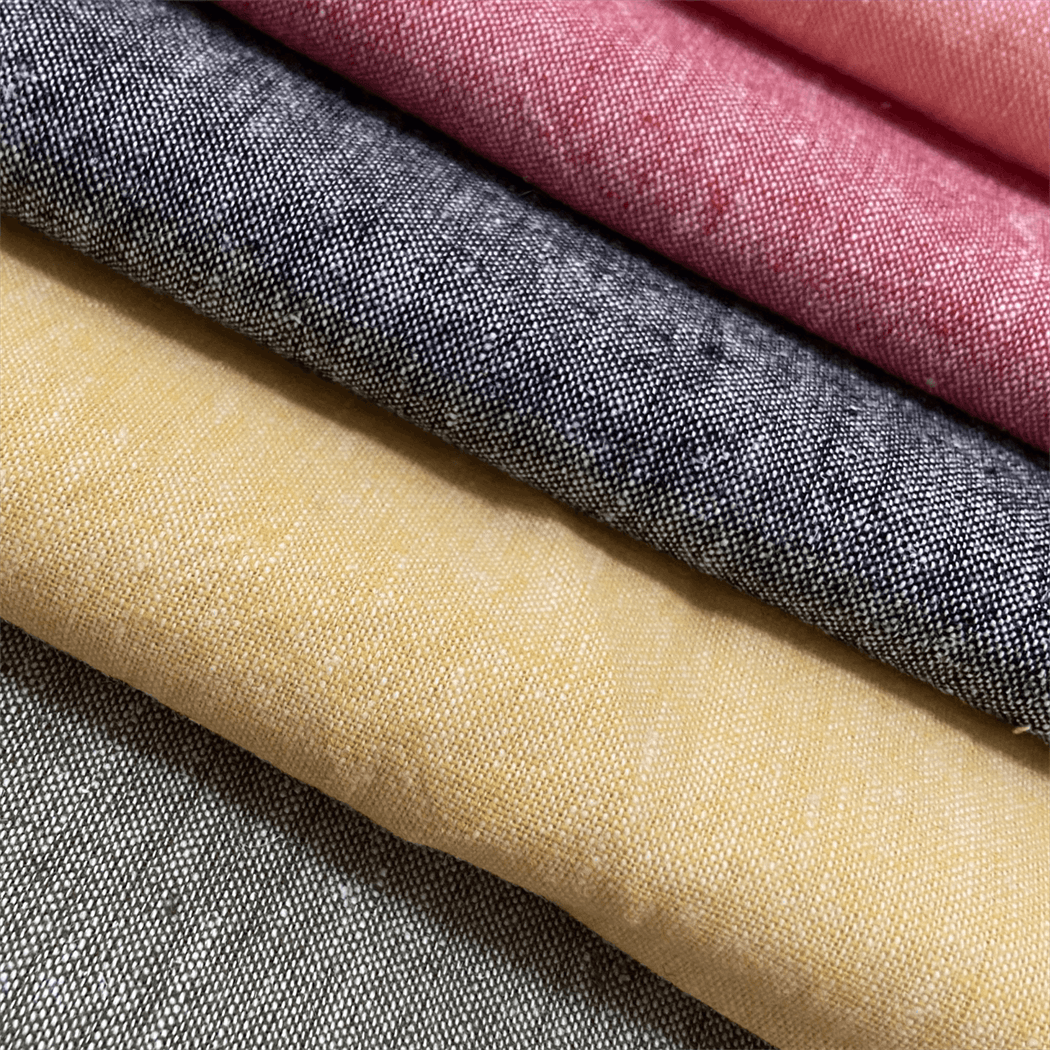
Fabric sourcing often presents a familiar dilemma. Buyers frequently struggle to distinguish between certain textiles. At a glance, hemp chambray and hemp denim look practically identical. They both rely on similar yarn-dyeing techniques to achieve a classic mottled blue or grey finish. However, they perform entirely differently in garment construction and daily wear.
Choosing the wrong fabric quickly leads to structural garment failures. Using chambray for heavy-duty pants results in inevitable seam blowouts. Conversely, using denim for summer shirting creates rigid, unwearable silhouettes. Designers need precise material knowledge. You must match the fabric structure to the intended garment function.
This guide breaks down the structural, performance, and application differences between these materials. We will help designers, sourcers, and buyers choose the right hemp textile. You will learn exactly how to match these sustainable fabrics to your specific apparel needs.
Key Takeaways
Weave structure dictates performance: Chambray is a symmetrical plain weave (lighter, breathable), whereas denim is a twill weave (heavier, durable, diagonal texture).
Weight determines application: Hemp chambray fabric typically ranges from 3 to 6 oz (ideal for shirting), while hemp denim starts around 8 oz and scales up to 14+ oz (ideal for outerwear and bottoms).
Drape vs. Structure: Chambray offers a fluid drape that softens quickly; denim provides rigid structural integrity that requires a break-in period.
Sustainability overlap: Both leverage hemp's natural antimicrobial properties, high tensile strength, and low-water cultivation, but their end-of-life durability varies by weave.
The Structural Foundation: Plain Weave vs. Twill Weave
Understanding these fabrics requires a close look at their construction. Visual similarities often confuse consumers and novice designers alike. Both fabrics utilize a colored warp yarn. They combine this colored yarn with a white weft yarn. This specific combination creates the signature mottled blue or grey appearance. The color looks textured and deep. However, the true difference lies in how mills interlace these yarns on the loom.
Hemp Chambray (Plain Weave)
Chambray relies on a classic 1-over-1-under construction. The loom weaves one weft thread directly over one warp thread. It then goes under the next warp thread. This simple, symmetrical pattern repeats continuously across the loom. It creates an identical face and back on the material.
This balanced interlacing produces a remarkably lightweight Hemp Woven Fabric. The yarns sit evenly next to each other. They do not overlap heavily. This leaves microscopic gaps between the threads. These gaps allow air to circulate freely. You get a smooth, even surface. The symmetrical nature means designers do not have to worry about a "right" or "wrong" side during the cutting process.
Hemp Denim (Twill Weave)
Denim takes a much more complex structural approach. It utilizes a twill weave construction. Mills typically set this up as a 2-over-1 or 3-over-1 pattern. The weft thread crosses over two or three warp threads before going under one. The loom shifts this intersection point slightly on each subsequent row. This offset creates the signature diagonal ribbing visible on the face of the fabric.
Because the colored warp threads stay on the surface longer, the fabric face looks distinctly blue or black. The white weft threads dominate the underside. This twill construction inherently packs more yarns per square inch. The yarns nestle closely together along the diagonal lines. This higher density increases the fabric weight significantly. It eliminates the breathable gaps found in plain weaves. You get a thick, impenetrable barrier against the elements.
Hemp Chambray Fabric: Capabilities and Apparel Applications
Designers value chambray for its immediate comfort and fluidity. The material behaves exceptionally well in warm climates. It leverages the natural porousness of hemp fibers.
Performance Profile
When you select Hemp Chambray Fabric, you prioritize breathability. The plain weave allows body heat to escape quickly. The natural hemp fibers provide rapid moisture wicking. They pull sweat away from the skin. The moisture spreads across the fabric surface and evaporates rapidly.
Unlike heavier textiles, chambray offers immediate next-to-skin comfort. You do not need a lengthy break-in period. The fabric feels soft right off the roll. It drapes naturally over the body. It follows human movement without restriction.
Optimal Garment Types
You should deploy chambray in specific apparel categories. It excels in spring and summer collections. We recommend using it for the following garments:
Summer Shirting: Perfect for camp collar shirts and classic button-downs.
Lightweight Dresses: Offers a breezy drape without excessive weight.
Tunics and Blouses: Provides excellent coverage while remaining cool.
Breathable Linings: Works beautifully inside light jackets or tailored vests.
Structural Limitations
Every fabric has boundaries. Chambray possesses a lower abrasion resistance compared to twill. The 1-over-1 weave cannot withstand constant rubbing. The yarns will eventually fray under high friction. You must advise your production team against using it for load-bearing workwear. Do not use chambray for heavy-duty utility pants. Do not use it for garments requiring structural rigidity. It will tear if subjected to intense mechanical stress.
Hemp Denim Fabric: Capabilities and Apparel Applications
Hemp denim represents the pinnacle of natural fabric durability. It takes the inherent strength of the hemp plant and multiplies it through a dense twill weave.
Performance Profile
This textile boasts incredibly high abrasion resistance. The packed twill yarns deflect friction easily. It also offers excellent thermal retention. The dense weave traps body heat during colder months. It creates a formidable wind barrier.
Hemp fibers make this denim exceptionally strong. In fact, hemp fibers can make denim up to four times stronger than standard cotton equivalents of the exact same weight. This tensile strength ensures the garment will last for decades. It resists tearing, puncturing, and fraying. You get superior structural rigidity. The fabric holds its shape brilliantly.
Optimal Garment Types
You should allocate Hemp Denim Fabric to outerwear and lower-body garments. It thrives in high-stress applications. We recommend it for the following:
Structured Jackets: Chore coats, trucker jackets, and motorcycle apparel.
Heavy-Duty Aprons: Perfect for woodworking, metalworking, or culinary use.
Durable Bottoms: Ideal for rugged jeans and classic five-pocket styles.
Workwear: Cargo pants and utility gear requiring maximum endurance.
It performs exceptionally well for durable Hemp Trousers that encounter daily wear and tear.
Implementation Realities
Designers must account for the initial break-in phase. Hemp denim is notoriously stiff right off the loom. The natural lignin in the hemp fibers contributes to this rigidity. The fabric requires mechanical softening before consumers will wear it comfortably.
Manufacturers often employ enzyme washes in the factory. They might also use pumice stone washing to break down the surface stiffness. Alternatively, raw denim purists prefer prolonged wear. The fabric will eventually soften through body heat and friction. It molds exactly to the wearer over several months. You must communicate this timeline to your end consumers.
Head-to-Head Evaluation Framework for Sourcers and Buyers
Making sourcing decisions requires a clear analytical framework. You must weigh multiple variables before finalizing your fabric orders. We break down the core considerations below.
Weight and Seasonality
Fabric weight directly dictates the seasonal application of your garment. Mills measure this weight in ounces per square yard (oz).
Chambray typically ranges from 3 to 6 oz. This lightweight profile makes it best for climates and seasons requiring airflow. It dominates spring and summer collections. It feels airy and unobtrusive.
Denim starts much heavier. Standard hemp denim begins around 8 oz. It easily scales up to 14+ oz for heavyweight applications. This density makes it best for transitional weather and winter climates. It provides the necessary bulk to block chilly winds.
Durability vs. Comfort
You always navigate a trade-off between immediate comfort and long-term durability.
Chambray prioritizes immediate comfort. It enables fluid movement right away. However, it has a much lower threshold for tearing under tension. If a wearer snags a chambray shirt on a nail, it will likely rip.
Denim prioritizes longevity. It offers incredible tear resistance. The twill weave absorbs impacts effectively. However, it sacrifices initial flexibility. Wearers must invest time to achieve maximum comfort. The fabric feels restrictive during the first few weeks of wear.
Care and Maintenance
Consumers care deeply about garment maintenance. Hemp fibers behave distinctively in the wash.
Chambray is prone to wrinkling. This is an inherent characteristic of hemp plain weaves. The fabric lacks the weight to pull wrinkles out naturally. Consumers will likely need to iron these garments. Chambray also requires lower heat drying. High heat causes excessive shrinkage in lightweight plain weaves.
Denim hides wrinkles exceptionally well. The heavy twill weave smooths itself out under its own weight. It holds its shape much longer between washes. Furthermore, denim develops distinct fading patterns over time. Wearers will notice honeycombs behind the knees and whiskers across the lap. These fades create a personalized aesthetic highly valued by denim enthusiasts.
Fabric Application Matrix
Use the following comparison to quickly reference the primary differences during your sourcing process.
Quick Reference Fabric Attributes
Feature
Hemp Chambray
Hemp Denim
Weave Type
Plain Weave (1x1)
Twill Weave (2x1 or 3x1)
Typical Weight
3 - 6 oz
8 - 14+ oz
Drape & Handfeel
Fluid, soft, immediate comfort
Rigid, structured, requires break-in
Best For
Shirts, dresses, light summer wear
Jackets, jeans, heavy workwear
Abrasion Resistance
Low to Moderate
Extremely High
Manufacturing and Production Considerations (Risk Mitigation)
Moving from design to production introduces new challenges. Factory floors treat these two fabrics very differently. You must adjust your technical packs to mitigate manufacturing risks.
Needle and Thread Selection
Incorrect hardware ruins hemp fabrics on the sewing table. You must specify exact needle and thread combinations.
For chambray, specify fine needles (e.g., sizes 70/10 or 80/12). Use standard poly-core threads. Heavy threads will overwhelm the delicate plain weave. Incorrect tension will cause immediate puckering along the seams.
For denim, specify heavy-duty needles (e.g., sizes 100/16 or 110/18). The fabric bulk requires aggressive piercing power. You must use reinforced stitching. We highly recommend flat-felled seams for denim construction. Flat-felled seams enclose the raw edges completely. They provide the necessary structural strength to handle the heavy twill.
Shrinkage Assumptions
Hemp fibers possess a natural shrinkage rate. If left unwashed, raw hemp typically shrinks between 3-5% during its first laundering cycle. You cannot ignore this variable.
We advise preshrinking fabrics at the mill before cutting. If you choose to work with loom-state (raw) fabric, you must calculate this shrinkage into your garment grading. This step remains absolutely critical for tailored trousers. If you do not account for a 5% length reduction, the pants will become unwearably short after the consumer washes them.
Dye Uptake and Colorfastness
Hemp absorbs dye readily. It possesses a highly porous fiber structure. However, it can also release dye if not treated correctly.
We recommend using reactive dyes for chambray. Reactive dyes form a chemical bond with the cellulose in the hemp. This maintains solid, vibrant colors wash after wash. You want chambray shirts to look consistent over their lifespan.
For denim, we recommend traditional indigo vat dyeing. Indigo does not penetrate the core of the yarn completely. It coats the outer layers. This specific dyeing method encourages the desired fading process. As the denim rubs against surfaces, the outer indigo chips away. This reveals the white core beneath, creating the beautiful, high-contrast fades consumers expect from premium denim.
Conclusion
Choosing between hemp chambray and denim requires careful consideration of structure and purpose. The decision ultimately comes down to the garment's intended use and required structural integrity. Visual similarities aside, they behave like entirely different materials on the cutting table and on the human body.
You must evaluate your seasonal requirements, durability needs, and factory capabilities. Misalignment between fabric and function guarantees product failure. Alignment ensures a sustainable, long-lasting garment.
Our final recommendation is clear. Select hemp chambray for tops, lightweight summer apparel, and garments requiring fluid drape. Invest in hemp denim for workwear, structured outerwear, and lower-body garments that demand long-term abrasion resistance. Follow these guidelines, and your apparel line will perform beautifully for years to come.
FAQ
Q: Is hemp chambray the same as oxford cloth?
A: No. While both are plain weaves used for shirting, oxford cloth uses a basket weave variation (often multiple weft yarns crossing multiple warp yarns). This variation makes oxford cloth slightly heavier and more textured than standard chambray.
Q: Does hemp denim soften like cotton denim?
A: Yes, but the timeline differs. Hemp fibers are inherently stronger and stiffer than cotton. This structure means hemp denim takes slightly longer to break in. However, it ultimately yields a softer, more durable drape over years of wear.
Q: Can hemp chambray fabric be used for pants?
A: It can be used for loose-fitting, lightweight summer pants (like drawstring beach trousers). However, it completely lacks the necessary tensile strength for fitted, structured, or high-friction Hemp Trousers.
We welcome you to join our hemp fashion journey, experience the cool comfort and environmental value of hemp, and jointly support the sustainable development of the fashion industry.