Retailers face mounting pressure to abandon synthetic-heavy inventories for genuine circular fashion models. Modern consumers actively demand verifiable sustainability. However, conventional organic cotton faces crippling global supply shortages and severe price volatility. Hemp has successfully transitioned from a niche, coarse fiber to a premium, highly scalable apparel material. Advanced processing technologies now allow it to match the softness of traditional fleece. Brands ignoring this shift risk losing valuable eco-conscious market share.
This guide provides retail merchandisers and buyers with a concrete framework. You will learn how to evaluate, source, and commercialize the Hemp Hoodie Pullover effectively. We explore how to capture the growing "Green Premium" market effortlessly. You can achieve this without compromising your margins or global compliance standards.
Key Takeaways
Market Growth: The ethical fashion market is expanding at an 8.7% CAGR, with hemp acting as the most viable, scalable alternative to conventional cotton.
Performance Leverage: Hemp’s natural thermoregulation, high tensile strength, and UV resistance justify premium retail pricing and reduce product return rates.
Risk Mitigation: Successful sourcing requires strict vetting for THC-compliance (<0.3%), certified "cottonisation" processes, and transparent blending ratios.
Vendor Selection: Shortlisting manufacturers hinges on verifying ESG claims, assessing blending capabilities (e.g., Hemp/Tencel, Hemp/Organic Cotton), and geographic supply chain resilience.
The Retail Business Case: Capitalizing on the Hemp Hoodie Pullover Demand
Modern consumers willingly pay a premium for verifiable sustainable apparel. We call this the "Green Premium." Shoppers actively seek out brands demonstrating genuine environmental stewardship. They reject fast fashion synthetics. A Hemp Hoodie Pullover signals high-level commitment to these values. It attracts a lucrative, loyal customer base willing to absorb higher retail prices for quality and ethics.
Conventional organic cotton cannot meet current global demands. Yields are dropping due to climate stress. Prices skyrocket unpredictably. Hemp serves as the perfect structural partner and alternative. It requires half the water of cotton. It yields significantly more fiber per acre. By integrating hemp, you hedge against organic cotton shortages while maintaining premium product lines.
Hemp aligns flawlessly with circular fashion principles. The fiber is entirely biodegradable. Its cultivation relies on regenerative agricultural practices. Deep roots prevent soil erosion and sequester massive amounts of carbon. These traits directly satisfy stringent upcoming ESG reporting requirements in Europe and North America. Regulators want transparent, low-impact supply chains. Hemp provides exactly that.
Stocking hemp apparel elevates your brand authority instantly. It acts as a halo product. Legacy denim and major outdoor brands already utilize hemp to validate their sustainability commitments. Adding a hemp fleece item proves your brand innovates. It separates you from competitors relying solely on recycled polyesters.
Market Dynamic Chart: Conventional Cotton vs. Hemp Apparel
Market Dynamic | Organic Cotton | Hemp Fiber |
Supply Availability | Constrained & Volatile | Highly Scalable |
Water Usage | High (Irrigation heavy) | Low (Rain-fed mostly) |
Retail Margins | Squeezed by raw costs | Protected by Green Premium |
ESG Compliance | Moderate | Exceptional (Carbon-negative) |
Best Practice: Do not market hemp solely on its environmental merits. Highlight its superior physical performance to justify the premium price tag.
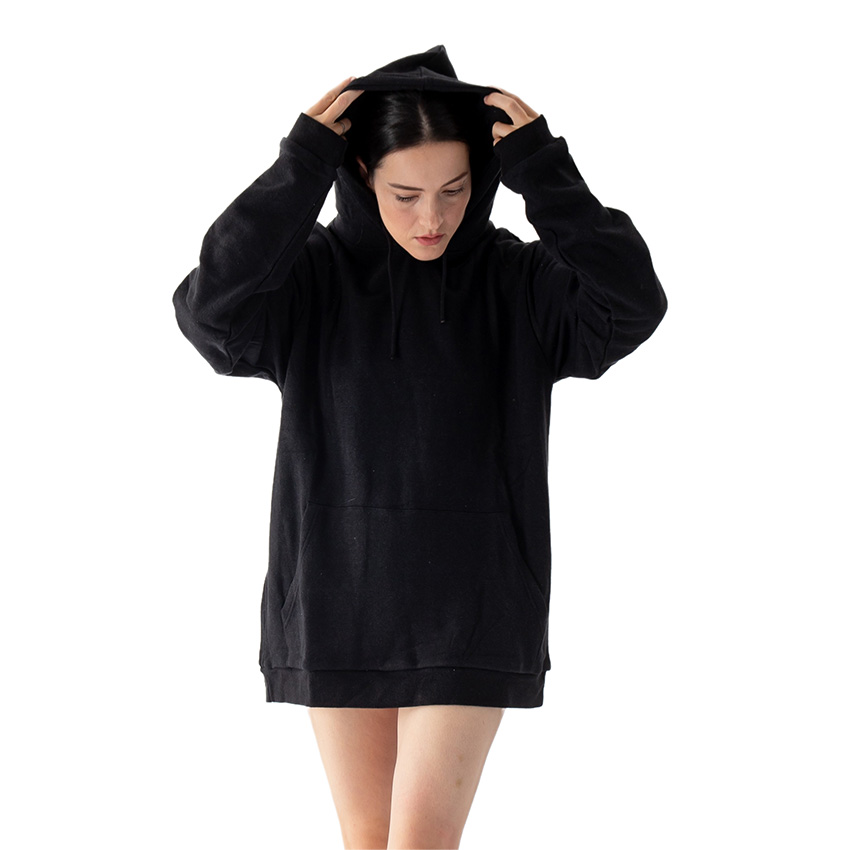
Material Evaluation: Features-to-Outcomes for Retailers
Hemp utilizes a bast fiber structure. This provides superior tensile strength compared to conventional materials. Unlike cotton, which weakens over time, hemp garments soften with every wash. They resist degradation. Outcome: You sell garments boasting an extended product lifecycle. Customers notice the lasting quality. This builds intense brand loyalty and drastically reduces return rates.
Hemp cellulose features a unique porous nature. This creates exceptional thermoregulation and breathability. It traps warm air close to the body during cold weather. Conversely, it allows heat to escape during summer months. Outcome: Your hoodie becomes a year-round SKU. It insulates in winter while remaining comfortably breathable in transitional seasons. You avoid heavy seasonal markdown cycles.
Retailers must understand hemp's inherent functional properties. It naturally resists microbes, mold, and UV rays.
Anti-Microbial: Garments smell fresh longer.
UV-Resistant: Protects the wearer's skin during outdoor activities.
Low Maintenance: Reduces wash frequency for the consumer.
Outcome: These traits align perfectly with eco-friendly use phases. You gain distinct, verifiable functional marketing claims to use across your e-commerce channels.
You must evaluate the blend strategy carefully. A 100% hemp garment can feel coarse initially. It requires a break-in period. Mainstream consumers often prefer immediate softness. Blending hemp solves this commercial reality.
55% Hemp / 45% Organic Cotton: The industry standard. It balances hemp's structural integrity with cotton's immediate softness.
Hemp / Lyocell (Tencel): Creates a luxurious drape. It feels incredibly soft and cools the skin.
Hemp / Recycled Polyester: Enhances stretch and lowers the price point slightly, though it reduces the circularity factor.
Common Mistake: Launching a 100% hemp heavy fleece without educating your customer on the "break-in" phase. Always start with a 55/45 blend for mainstream adoption.
Supply Chain Realities: From Raw Stalk to Shelf-Ready Garments
The agricultural phase of hemp is remarkably low-impact. The plant grows densely. It shades out weeds automatically, eliminating the need for toxic herbicides. After harvesting, farmers initiate the retting process. Retting uses moisture to dissolve the pectins holding the plant together. This separates the valuable bast fibers from the woody core. Understanding this establishes your foundational material knowledge.
The "Cottonisation" breakthrough changed the apparel industry entirely. Historically, hemp felt scratchy. Cottonisation removes this roughness, making hemp viable for mainstream fleece and French terry.
Cottonisation Method | Process Description | Resulting Fabric Feel |
Mechanical | Uses advanced machinery to comb and split fibers without chemicals. | Stronger, slightly textured, similar to premium linen. |
Chemical / Enzymatic | Uses eco-friendly enzymes to soften the fiber structure deeply. | Incredibly soft, mimics premium cotton fleece perfectly. |
Global supply chain distribution remains geographically concentrated. Asia dominates initial processing and raw export. They possess decades of specialized machinery and knowledge. However, the landscape is shifting. Localized supply chains are rising rapidly. Brands actively adopt "China+1" strategies to diversify risk. European distribution hubs now offer sophisticated spinning and weaving facilities to meet localized ESG mandates.
Compliance, Certifications, and Mitigating Sourcing Risks
You must navigate the botanical stigma carefully. Hemp derives from the Cannabis sativa plant family. However, industrial hemp contains negligible psychoactive compounds. You must verify imported raw materials and finished goods comply strictly with legal thresholds. The universal standard requires THC levels to remain below 0.3%. Demand recent, independent laboratory tests from your suppliers. This prevents disastrous customs delays and legal liabilities.
Protect your brand from "greenwashing" accusations. Consumers and watchdogs easily spot false environmental claims. You must demand specific certifications from factory partners.
GOTS (Global Organic Textile Standard): Crucial if you use an organic cotton blend.
Oeko-Tex Standard 100: Ensures the fabric contains no harmful toxic substances.
ISWM (Integrated Solid Waste Management): Verifies the factory handles waste responsibly.
Dyeing hemp fibers presents a technical challenge. Hemp absorbs dye differently than conventional cotton. It requires more precise temperature control and specific eco-friendly reactive dyes. Guide your buyers to assess a manufacturer’s colorfastness rigorously. Request physical lab dips. Wash them repeatedly. Ensure the dye does not bleed or fade prematurely.
Best Practice: Always request the Oeko-Tex certificate number from the supplier and verify it directly on the official Oeko-Tex portal.
Vendor Shortlisting Logic: Selecting Your Manufacturing Partner
Transparency in blend verification separates good suppliers from great ones. You must audit a supplier to ensure their stated hemp percentage matches the actual garment composition. Unscrupulous factories might claim a 55% hemp blend but only deliver 20%. Request third-party fiber composition testing before signing bulk purchase orders.
You need a concrete framework for balancing Minimum Order Quantities (MOQs) with scalability. Hemp fabrics often require higher initial MOQs due to specialized spinning processes. Analyze the factory's total monthly capacity. Ask yourself: if your specific eco-fleece SKU goes viral, can this factory scale up production within 60 days? Avoid boutique factories that cannot support rapid retail growth.
Establish a mandatory pre-production checklist. Prototyping and wash testing are non-negotiable.
Shrinkage Rates: Hemp behaves differently than cotton. It can shrink slightly more on the first wash if not pre-shrunk at the factory level.
Seam Strength: Heavyweight hemp fleece requires robust stitching. Test the armholes and pocket seams under tension.
Post-Wash Hand-Feel: Wash the prototype five times. Ensure the fabric softens as promised without pilling or losing structural integrity.
By applying these strict vetting criteria, you guarantee your retail buyers receive a world-class product. You protect your margins, satisfy regulatory compliance, and delight your end consumer.
Conclusion
Transitioning to hemp apparel is no longer a fringe environmental statement. It acts as a necessary operational hedge against volatile traditional textile markets. Consumers demand better, and hemp delivers uncompromising durability, breathability, and ecological benefits.
Next Actions for Merchandisers:
Audit your current fleece and activewear lines to pinpoint synthetic-heavy vulnerabilities.
Identify one anchor product to transition into a 55/45 hemp blend for your upcoming seasonal drop.
Initiate sample requests with certified suppliers using the strict compliance and THC-vetting criteria outlined above.
Demand comprehensive wash tests and Oeko-Tex certifications before approving any pre-production samples.
FAQ
Q: Is a 100% hemp hoodie pullover comfortable for everyday wear, or are blends better?
A: Blends are generally better for immediate consumer acceptance. A 55% hemp and 45% organic cotton blend provides the instant softness consumers expect from fleece. While 100% hemp is incredibly durable and softens beautifully over time, it features a noticeable "break-in" period that may deter mainstream everyday wearers initially.
Q: How does the wholesale cost of hemp fleece compare to conventional organic cotton?
A: Hemp fleece typically carries a higher initial wholesale cost due to specialized retting and cottonisation processes. However, retailers offset this through higher "Green Premium" retail margins. Additionally, the garment's extreme longevity reduces return rates and builds long-term brand loyalty, improving overall profitability.
Q: What certifications should I ask for when sourcing hemp apparel internationally?
A: Always request independent lab tests proving the THC content is strictly <0.3% to ensure legal customs clearance. For environmental compliance, demand the Oeko-Tex Standard 100 for non-toxic dyes. If utilizing a cotton blend, insist on the Global Organic Textile Standard (GOTS) certification to avoid greenwashing claims.
Q: Does hemp fabric shrink more than traditional cotton hoodies?
A: Hemp can shrink slightly more than synthetic blends during the first wash if untreated. To mitigate this, retailers must ensure manufacturers utilize pre-washing or garment-dyeing processes. Always mandate rigorous shrinkage testing during the prototyping phase to guarantee accurate consumer sizing post-purchase.


