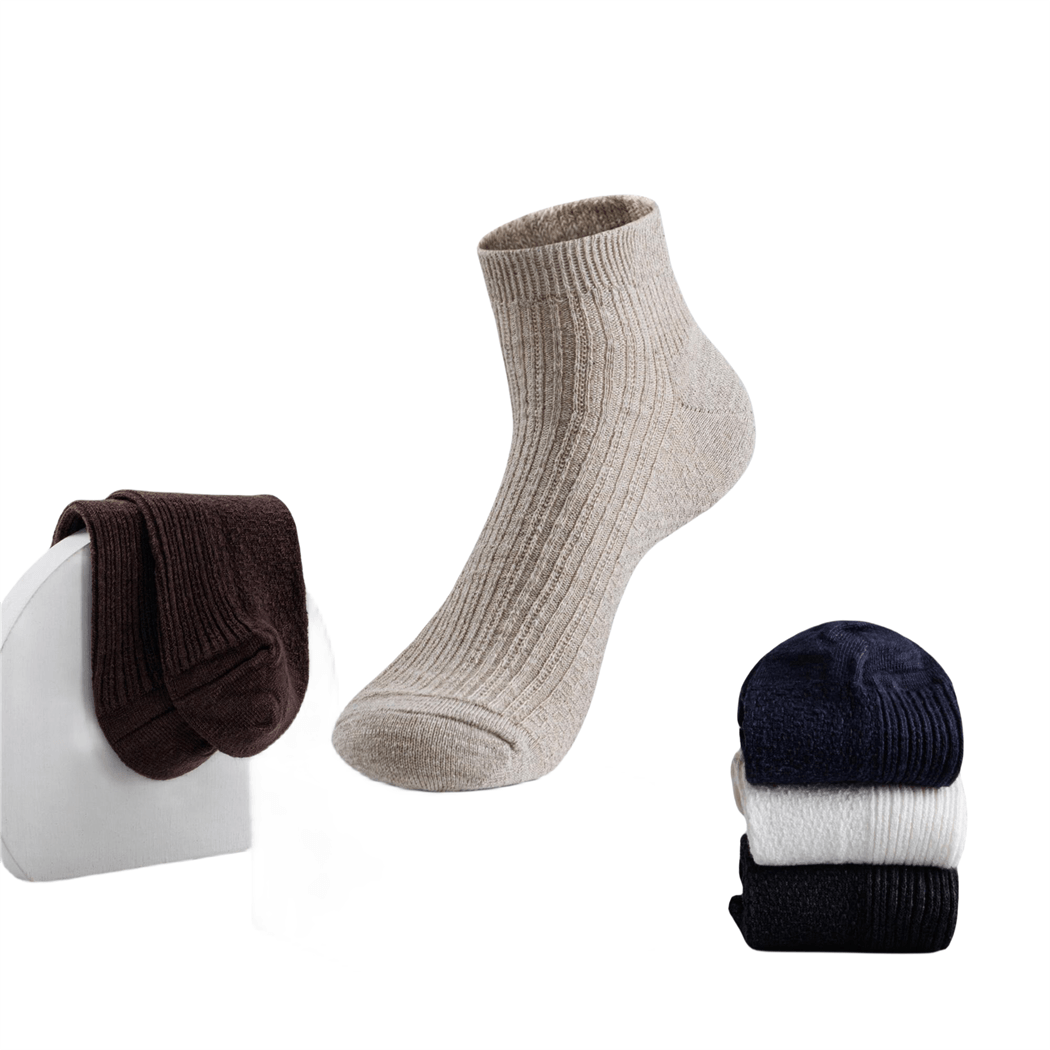
Many shoppers hesitate when considering hemp basics because they picture a scratchy, stiff fabric. Historically, people associated this rugged fiber more closely than not with heavy-duty rope rather than cozy everyday apparel. However, you do not have to compromise on comfort to make an eco-friendly choice. Sustainable textile manufacturing has evolved dramatically over the last decade. Modern spinning techniques now successfully remove the coarse lignin from the plant stalk. Furthermore, innovative blending methods have transformed these raw fibers into a premium apparel category. Ultimately, these garments offer highly competitive, long-lasting comfort for everyday wear. You just need to understand the material's unique "break-in" phase and basic care requirements. By learning how to select the right fabric blends for your specific lifestyle, you can easily upgrade your daily wardrobe and enjoy superior comfort.
Key Takeaways
Comfort Evolution: Modern hemp socks are not stiff; they use fine-spun fibers that become progressively softer with every wash.
Performance: Hemp’s naturally porous structure offers superior moisture-wicking and odor resistance compared to standard cotton.
Durability: Hemp boasts three times the tensile strength of cotton, reducing the frequency of holes in high-friction areas (heels and toes).
Smart Blending: The most comfortable everyday options blend hemp with organic cotton and elastane to balance immediate softness with long-term durability.
The Reality of Hemp Clothing: Overcoming the "Stiff" Reputation
Skepticism around plant-based textiles is entirely understandable. Buyers desperately want eco-friendly apparel, but they refuse to compromise on skin-feel and daily comfort. For years, the industry forced consumers to choose between sustainability and softness. Early iterations of green fashion often felt rigid against the skin. This negative perception lingers, causing many to avoid plant-based basics altogether.
Contemporary manufacturing advances have completely changed this dynamic. In the past, primitive processing left lignin—a rigid structural polymer—attached to the plant fibers. Today, advanced mechanical processing gently removes this coarse material from the stalk. This careful extraction results in a flexible, remarkably fine fiber. Manufacturers spin these refined fibers into sleek yarns. The resulting Hemp Clothing feels smooth, lightweight, and surprisingly luxurious.
You also need to understand the vital role of fabric blends. Finding 100% pure hemp socks for daily wear is incredibly rare, and frankly, impractical. Pure bast fibers lack the necessary elasticity to hug your foot properly. Instead, most high-quality manufacturers utilize smart blending techniques. A typical premium blend might feature 50% hemp, 45% organic cotton, and 5% spandex. The organic cotton delivers immediate plushness out of the box. Meanwhile, the spandex provides essential stretch and memory retention. The primary fiber acts as the structural backbone, ensuring the garment maintains its shape while resisting daily wear and tear. This synergy creates an everyday staple balancing immediate coziness and long-term structural integrity.
Performance Evaluation: How Hemp Socks Handle Daily Wear
When you wear the same footwear for eight to ten hours a day, performance becomes just as important as initial softness. Plant-based textiles excel in high-stress environments. Let us evaluate how these garments handle the rigors of daily use.
Moisture Management & Breathability:
Mechanism: The core of the fiber features a highly porous, microscopic structure. This unique cellular design creates tiny capillary networks throughout the yarn.
Outcome: These garments deliver rapid moisture absorption and release. As your feet sweat, the fabric pulls moisture away from your skin and pushes it outward to evaporate. This keeps your feet remarkably dry during long office days or intense commutes. By eliminating excess moisture, you drastically minimize friction and reduce the risk of painful blisters.
Natural Antimicrobial Properties (Odor Control):
Mechanism: The plant contains natural compounds resisting mold, mildew, and odor-causing bacteria. Unlike synthetic treatments washing out over time, this property remains inherent to the fiber itself.
Outcome:Hemp Socks can be worn for extended periods without accumulating distinct, unpleasant odors. If you use minimalist or barefoot footwear, you know how quickly sweat degrades interior linings. These antimicrobial properties combat this issue directly, keeping your shoes fresher and significantly reducing your required laundering frequency.
Tensile Strength & Longevity:
Mechanism: Batanical bast fibers are significantly longer and inherently stronger than standard cotton or wool fibers. Their molecular structure resists sheer force and abrasion.
Outcome: You experience a much higher return on your wardrobe investment. The fabric strongly resists thinning and catastrophic blowout at common stress points, such as the heel and toe box. You will spend less time replacing worn-out basics and more time enjoying reliable, durable comfort.
The "Break-In" Period: Implementation & Care for Hemp Accessories
Setting honest expectations is crucial for a positive first experience. When you unbox high-content plant-based textiles, they may feel slightly structured or crisp. This is entirely normal. Just like a premium pair of raw denim jeans or high-quality leather boots, these items require a brief break-in period. They soften significantly through regular body heat and mechanical friction during wear.
You will notice a distinct softening curve over the product's lifecycle. We call this the "wear-to-soften" phase. Regular washing naturally breaks down rigid micro-fibers along the yarn's surface. As these micro-fibers relax, the garment custom-molds to the unique contours of your foot. After three to four wash cycles, the material transforms. It becomes incredibly supple while retaining its core strength. This evolutionary comfort makes Hemp Accessories a long-term favorite for those prioritizing sustainable fashion.
To maximize this softening process and protect your investment, you must follow proper care risk mitigation strategies. Careless laundering can degrade the fiber's natural benefits.
Wash in cold water: Always use cold or cool water settings on your washing machine. Hot water agitates the natural fibers aggressively, leading to unnecessary shrinkage and structural warping.
Air dry when possible: Hanging items to dry preserves their elastic memory. If you must use a dryer, select the lowest possible heat or a dedicated tumble dry low setting.
Avoid synthetic fabric softeners: Liquid softeners and dryer sheets coat the fibers in a waxy chemical residue. This artificial coating completely ruins their natural porous structure, destroying their superior moisture-wicking capabilities.
Use mild detergents: Harsh chemical detergents break down plant fibers prematurely. Opt for gentle, eco-friendly soaps to maintain optimal tensile strength.
Material Comparison: Justifying the Switch
Shoppers often wonder how this sustainable option stacks up against traditional materials. To justify the switch, we must compare it directly against the industry's most popular textiles. Below is a comprehensive breakdown of everyday performance metrics.
Textile Performance and Sustainability Comparison
Feature / Metric
Hemp Blend
Organic Cotton
Merino Wool
Bamboo Viscose
Moisture Wicking
Excellent (Porous core)
Poor (Retains moisture)
Excellent (Temperature regulating)
Good (Slow to dry)
Durability & Strength
Highest (High tensile strength)
Moderate (Prone to thinning)
Moderate (Prone to friction wear)
Low (Loses strength when wet)
Odor Resistance
High (Naturally antimicrobial)
Low (Harbors bacteria)
High (Naturally antimicrobial)
Moderate (Depends on processing)
Environmental Impact
Low (Low water, no pesticides)
Moderate (High water usage)
Moderate (Animal agriculture impact)
High (Heavy chemical processing)
When comparing against organic cotton, the environmental and longevity benefits become clear. The plant requires only a fraction of the water to grow and naturally deters pests, eliminating the need for toxic pesticides. In rigorous wear-tests, it consistently outlasts cotton. Cotton may offer slightly more immediate plushness on day one, but it thins out and tears much faster under daily friction.
Merino wool represents another popular premium choice. Both materials offer excellent temperature regulation and reliable odor control. However, plant-based textiles serve as a superior vegan alternative. They provide much higher friction resistance, making them better suited for high-abrasion activities like running or urban commuting. Wool, conversely, provides better insulation in extreme sub-zero climates.
Finally, we must address the bamboo comparison. Many brands market bamboo as an eco-friendly miracle fabric. While the plant grows quickly, transforming it into soft viscose requires heavy, toxic chemical processing. Our preferred fiber is processed mechanically, maintaining a truly eco-friendly supply chain. Additionally, bamboo viscose loses structural integrity when wet, leading to premature sagging. Mechanically processed bast fibers retain their strength even when soaked in sweat.
Buying Guide: Matching Hemp Blends to Your Daily Needs
Selecting the right blend ensures you get the exact comfort profile you need for your daily routine. Different activities demand different material ratios and construction techniques. Use this guide to match specific products to your lifestyle.
For Office & Casual Wear
If you spend your days navigating corporate offices or casual work environments, prioritize immediate comfort and a sleek profile. You should shortlist blends featuring a higher percentage of organic cotton. Look for ratios around 40% hemp and 50% organic cotton, finished with a touch of elastane. This combination creates a traditional dress-sock profile. It fits smoothly into loafers or oxfords without adding unnecessary bulk. The cotton provides a plush feel against the skin, while the stronger fiber core ensures the heel will not wear out from rubbing against rigid leather dress shoes all day.
For Active & Outdoor Use
Hikers, trail runners, and outdoor workers place immense stress on their footwear. For these intense applications, prioritize higher plant-fiber content for maximum durability and moisture control. Seek out blends pushing past the 50% mark. Crucially, look for products featuring terry-loop padded footbeds. Manufacturers use special knitting machines to create these tiny loops of yarn along the sole. This terry-loop construction absorbs heavy impact, provides extra cushioning over rocky terrain, and increases the surface area for rapid sweat absorption.
For Minimalist & Barefoot Runners
The barefoot running community faces unique footwear challenges. Zero-drop, minimalist shoes fit like a second skin, creating intense friction zones. They also trap heat aggressively. If you wear minimalist shoes, focus on finding anatomical fits and high-hemp ratios. You need a thin, hyper-durable barrier to combat the specific odor and friction challenges associated with low-profile footwear. A high-content blend prevents blister formation while actively fighting the bacteria thriving in unventilated minimalist shoes.
Conclusion
Upgrading your daily essentials to sustainable materials does not require sacrificing comfort. Modern manufacturing has successfully bridged the gap between ecological responsibility and premium apparel performance.
Plant-based blends offer exceptional moisture-wicking and odor control, keeping your feet dry and fresh during long days.
Their superior tensile strength significantly extends the garment's lifespan, outperforming standard cotton and bamboo alternatives.
Understanding the "wear-to-soften" phase is crucial; these garments become incredibly comfortable as they adapt to your body over time.
Proper cold-water washing and air-drying preserve the natural fiber structure, maximizing long-term performance.
Take a moment to evaluate your current sock drawer pain points. Are you constantly throwing away pairs with holes in the heels? Do your gym shoes suffer from lingering odors? It is time to make a practical upgrade. Browse our curated collection of plant-based essentials today to find the perfect blend tailored to your active lifestyle, and experience the durable comfort you deserve.
FAQ
Q: Do hemp socks shrink in the wash?
A: Yes, they can experience minor initial shrinkage after the first wash. However, you can easily prevent severe sizing issues through proper care. Always wash these items in cold water and avoid high-heat tumble drying. Cold washing protects the natural fibers, minimizes unwanted contraction, and ensures the garment retains its intended anatomical fit over time.
Q: Are hemp socks safe for sensitive skin?
A: Absolutely. Mechanically processed fibers are inherently hypoallergenic. Because the plant requires no toxic pesticides or herbicides during cultivation, the final fabric contains no harsh chemical residues. Furthermore, the porous nature of the material prevents sweat buildup, which drastically reduces the likelihood of friction-induced skin irritation or contact dermatitis.
Q: Why are hemp accessories generally more expensive than cotton?
A: The price reflects a highly labor-intensive production process. Harvesting and mechanically processing the stalks to extract fine fibers requires specialized machinery and skilled labor. However, this higher upfront cost acts as a long-term investment. Because these fibers boast three times the tensile strength of cotton, you will replace them far less frequently.
We welcome you to join our hemp fashion journey, experience the cool comfort and environmental value of hemp, and jointly support the sustainable development of the fashion industry.