Let us work together to contribute to the green future of the earth!

Views: 0 Author: Site Editor Publish Time: 2026-10-04 Origin: Site


Transitioning from traditional cotton or synthetic blends to hemp requires more than a mere sustainability mandate. It demands a textile capable of performing relentlessly under intense commercial stress. We must fundamentally rethink our baseline for material durability in modern manufacturing. Frame this robust material not as a passing niche novelty. Instead, view it as a high-tensile, UV-resistant industrial powerhouse. It stands fully ready for scalable, high-volume production lines today. This comprehensive guide equips product developers, sourcing managers, and brand manufacturers with critical knowledge. You will discover targeted technical use cases, practical implementation realities, and strict compliance criteria. Ultimately, we provide the exact strategic framework you need to evaluate and adopt Hemp Textiles into your active supply chain seamlessly.
Performance vs. Cost: Hemp canvas offers superior tensile strength, breathability, and natural antimicrobial properties, though initial raw material costs carry a premium over cotton.
Primary Applications: Highly suited for heavy-duty apparel, footwear, outdoor gear, and commercial upholstery where durability is the primary success metric.
Production Realities: Hemp's structural rigidity requires specific finishing processes and can cause accelerated wear on standard cutting and sewing machinery.
Compliance is Critical: Reliable procurement requires vetting suppliers against agricultural compliance standards (e.g., USDA or state-level industrial hemp programs) and textile certifications.
Product developers constantly weigh material capabilities against procurement budgets. When evaluating new fabrics, you must look beyond raw fiber costs. We must analyze how the fabric behaves under stress, washing, and long-term exposure to the elements. Hemp presents a compelling industrial profile. It outpaces conventional cotton in almost every physical durability metric.
Hemp fibers are exceptionally long and structurally dense. This biological makeup grants the fabric incredible tensile strength. It resists tearing and stretching under heavy mechanical loads. Furthermore, hemp possesses a natural resistance to ultraviolet light. Synthetics like standard nylon often degrade, become brittle, or fade quickly under direct sunlight. Hemp retains its structural integrity and color remarkably well.
Table 1: Baseline Metrics of Commercial Textiles
Performance Metric | Hemp Canvas | Cotton Canvas | Synthetic Nylon |
|---|---|---|---|
Tensile Strength | Excellent (High load bearing) | Moderate | Very High |
Abrasion Resistance | High (Softens with wear) | Moderate (Prone to fraying) | High (Prone to pilling) |
UV Tolerance | Superior (Natural resistance) | Low (Fades quickly) | Moderate (Requires coating) |
Moisture Wicking | Excellent (Highly breathable) | Poor (Retains moisture) | Moderate (Depends on weave) |
We see a strong intersection between sustainability and durable performance. Modern brands face intense pressure to hit ESG (Environmental, Social, and Governance) targets. Using hemp allows you to achieve these environmental goals without sacrificing product lifespan. Hemp cultivation requires roughly half the water of conventional cotton. It grows rapidly without synthetic pesticides. It even remediates toxic soil through deep taproots. You get a greener supply chain alongside a tougher end product.
Address the upfront cost premium strategically. We use a cost-to-lifecycle analysis to justify procurement. Hemp raw materials cost more than commodity cotton. However, a well-constructed hemp garment lasts significantly longer. Brands must calculate return on investment based on extended product longevity. You can position these items in a premium market tier. Consumers readily pay a higher retail price for gear they know will survive years of heavy use.
Best Practice: Always align your marketing messaging with the fabric's lifespan. Educate your customer on why the higher price tag translates to better long-term value.
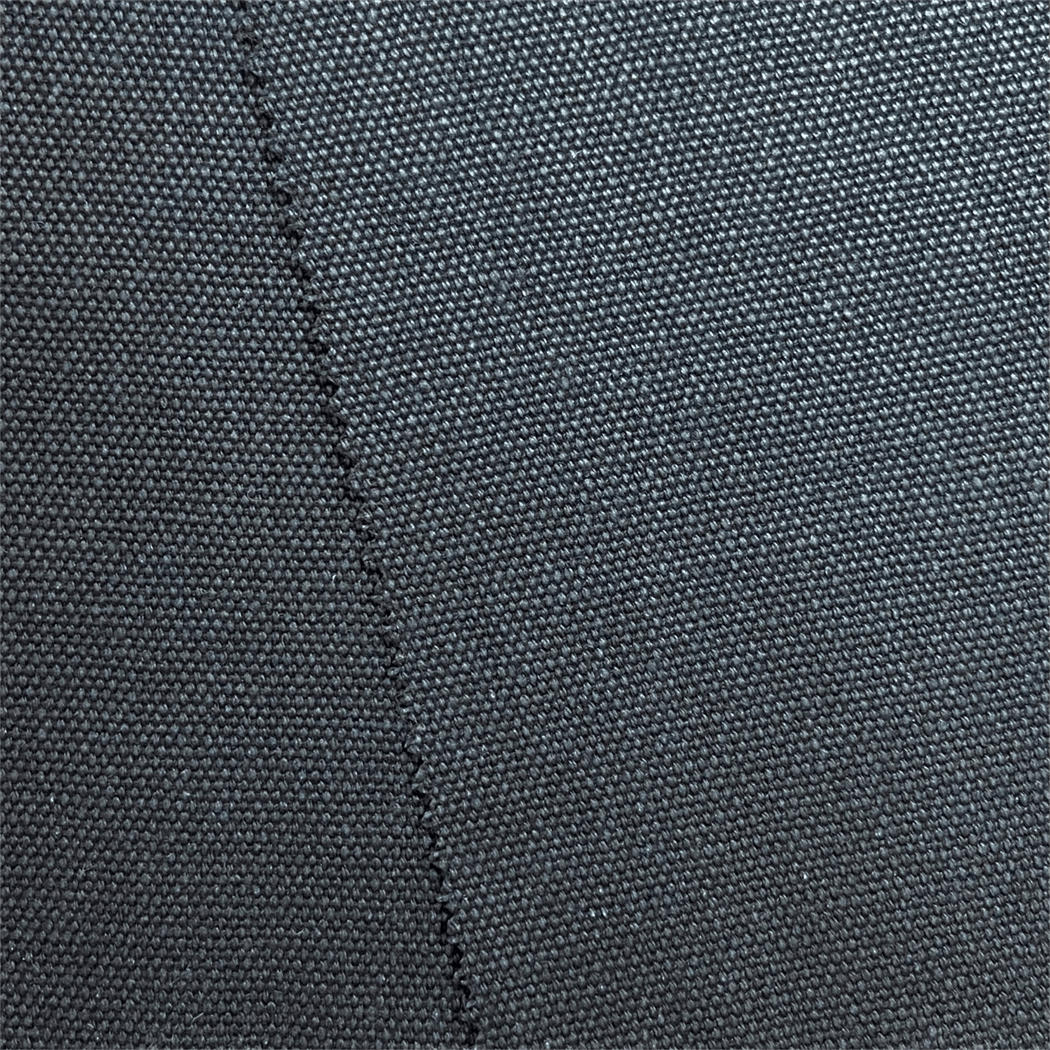
The inherent toughness of Hemp Canvas Fabric dictates its best commercial uses. We do not use heavyweight canvas for delicate fast fashion. Instead, we deploy it where durability serves as the primary metric of success. The material excels in environments demanding high abrasion resistance and environmental tolerance.
Workwear requires fabrics that endure friction, dirt, and frequent industrial laundering.
Workwear and Chore Coats: High abrasion resistance prevents blowouts in high-friction zones like elbows and knees. The fabric softens naturally over time without losing its dense structural integrity.
Canvas Sneakers and Boots: Footwear traps heat and moisture. Hemp leverages natural odor-resistance and superior breathability. It keeps the wearer's feet cooler while surviving the daily flexion of walking.
Outdoor equipment faces brutal environmental conditions. Load-bearing capacity and weather resistance are non-negotiable.
Backpacks, Duffel Bags, and Totes: The high tensile strength prevents strap anchor points from tearing under heavy loads. The rigid structure helps bags maintain their shape.
Tents, Tarps, and Awnings: Hemp offers inherent UV resistance and natural mold mitigation. It outperforms untreated cotton in damp, sunny environments, extending the life of basecamp shelters.
Interior designers increasingly specify natural fibers for commercial spaces. They need materials that withstand thousands of daily interactions.
High-Traffic Seating: Contract furniture in hotel lobbies or restaurants requires immense rub-test scores. Heavy hemp canvas handles constant friction beautifully.
Drapery and Heavy Blinds: The dense weave provides excellent light-blocking capabilities. The weight of the fabric creates a crisp, structural drape suitable for modern architectural interiors.
Beyond fashion and furniture, hemp serves critical industrial functions.
Marine Canvas Applications: Saltwater degrades many synthetic fibers and rots basic cotton. Hemp resists saltwater degradation exceptionally well, making it ideal for boat covers and sailcloth repairs.
Agricultural and Architectural Textiles: Farmers use it for durable shade cloths. Architects specify it for temporary tensile structures due to its wind resistance.
Designing a prototype is easy. Scaling that prototype into a massive production run reveals hidden manufacturing friction. Hemp Woven Fabric behaves differently on the factory floor compared to standard textiles. Factory managers must adjust their tooling and processes to handle this robust material.
Hemp fibers are notoriously tough. This physical rigidity directly impacts machinery. Standard rotary blades dull rapidly when cutting through multiple plies of heavy hemp. You must upgrade to industrial-grade, high-carbon cutting blades. Furthermore, factories must increase the frequency of blade sharpening to avoid frayed edges. Sewing machines also require modifications. We recommend using heavy-duty needles (size 16 or 18) to prevent snapping. Technicians must carefully adjust machine tension to accommodate the lack of stretch in the yarn.
Dyeing presents another physical reality. Hemp is highly porous. It absorbs dye quickly and deeply. However, locking that color in requires specific chemical knowledge. You may need different mordants compared to cotton to achieve consistent commercial colorfastness. Many dye houses utilize specialized enzyme washes. These washes remove the natural pectins remaining in the fiber, allowing dyes to bond permanently. Without proper preparation, the fabric may exhibit streaky color or suffer from poor crocking scores (color transfer).
Common Mistake: Rushing the dye preparation phase. Skipping the enzyme wash often leads to severe color fading after the first consumer wash.
Blending offers a strategic pathway for scalability. 100% hemp canvas is incredible, but blends solve specific manufacturing and pricing hurdles. You can blend hemp with recycled polyester to lower the overall material cost. This blend also increases wrinkle resistance. Alternatively, blending hemp with organic cotton dramatically softens the initial hand-feel. It eases manufacturing friction, speeds up sewing times, and broadens consumer appeal for lifestyle apparel.
You cannot blindly purchase natural fibers on the open market. Reliable procurement requires strict vetting. You must align your supply chain with international agricultural standards and textile certifications. Legal compliance forms the bedrock of a safe, scalable product line.
Agricultural traceability links raw material quality directly to legal compliance. Industrial hemp is heavily regulated globally. You must emphasize the importance of sourcing from verified programs. In the United States, this means aligning with USDA or state-level agricultural frameworks. These programs ensure the crop contains less than 0.3% THC. Proper cultivation standards also matter immensely. Hemp acts as a bio-accumulator. It aggressively pulls heavy metals and toxins from the soil. You must ensure the farm utilizes clean soil to prevent contaminated fibers from entering your supply chain.
Textile certifications provide standard evaluation lenses for trustworthy sourcing. Do not take a supplier's word at face value. Require documentation. If you source an organic hemp-cotton blend, demand GOTS (Global Organic Textile Standard) certification. This ensures organic integrity from harvesting through manufacturing. For chemical safety, insist on Oeko-Tex Standard 100 certification. This guarantees the finished fabric has been tested for harmful substances, protecting both factory workers and end consumers.
Testing tolerances require strict internal parameters. Establish exact quality control metrics before issuing a purchase order. Shrinkage rates demand your immediate attention. Untreated hemp canvas can shrink up to 10% after its first high-heat wash. You must require your supplier to pre-wash or sanforize the fabric before shipment. Additionally, monitor thread count consistency carefully. Inconsistent weaving leads to weak spots in the garment, ruining your claims of premium durability.
Transitioning to hemp requires a reliable manufacturing partner. Vetting suppliers takes time, but it prevents costly production errors. Use a structured, evidence-based approach to shortlist potential mills.
First, institute a strict sample testing protocol. Never commit to bulk yardage based on a digital photograph or a tiny physical swatch.
Request swatch yards: Order at least three to five continuous yards of the fabric. This allows your pattern makers to test cutting and draping.
Conduct internal wash and shrink tests: Run the yardage through standard commercial washing and drying cycles. Measure the exact percentage of shrinkage across the warp and weft.
Stress-test seam strength: Sew prototype seams using your factory's standard machinery. Apply mechanical tension to ensure the fabric does not shred at the needle puncture points.
Next, assess the supplier's operational maturity. A great fabric means nothing if the mill cannot deliver on time. Evaluate their MOQs (Minimum Order Quantities). Can they support small prototype runs before demanding massive bulk orders? Discuss their average lead times carefully. Hemp processing takes longer than cotton. Ensure their timelines align with your seasonal product drops. Demand absolute supply chain transparency. They should eagerly share the origin of their raw fiber and their dyeing processes.
Watch closely for industry red flags. Warn your sourcing team against suppliers unable to provide clear documentation of agricultural origin. Be highly skeptical of suppliers offering prices suspiciously close to conventional cotton. True industrial hemp requires complex mechanical decortication and degumming. It cannot match cotton's baseline price. If a price seems too good to be true, they are likely diluting the blend with cheap synthetics. Finally, reject suppliers lacking standardized weight and weave specifications on their data sheets.
Adopting heavy-duty natural fibers transforms how your brand approaches durability. Hemp canvas stands as a high-yield investment for brands prioritizing true product longevity and verifiable sustainability. It outperforms traditional cotton in tensile strength, UV resistance, and abrasion tolerance. While the initial procurement costs require a premium adjustment, the extended product lifecycle justifies the margin. Your brand gains a resilient, eco-friendly material that commands premium market positioning.
Your actionable next step is immediate. Prompt your sourcing team to audit your current material BOM (Bill of Materials). Identify any heavy textile applications currently utilizing conventional cotton or virgin synthetics. Order sample yardage of hemp canvas today and begin prototyping your most rugged silhouettes.
A: Yes, untreated hemp canvas can shrink significantly, often up to 10% in the first hot wash. It shrinks more aggressively than standard cotton. You must always pre-wash or sanforize the yardage prior to commercial cutting to ensure the final garment retains its intended fit.
A: Absolutely. Hemp responds exceptionally well to modern waterproofing treatments. You can treat it with synthetic DWR (Durable Water Repellent) coatings for high-performance gear. Alternatively, you can impregnate it with natural beeswax or paraffin. This creates a highly durable, water-resistant barrier perfect for traditional tents and heritage outerwear.
A: Processing hemp from raw stalk to woven fiber is mechanically complex. It requires decortication to separate the tough outer bark, followed by specialized degumming processes to soften the fibers. These labor-intensive steps, combined with a smaller global supply chain compared to commodity cotton, drive up the initial premium.
A: Yes, importing and manufacturing with hemp fiber is legal in most global markets. Industrial hemp fiber is legally distinct from controlled psychoactive substances. As long as the raw material originates from compliant agricultural programs ensuring THC levels remain below established thresholds (usually 0.3%), the finished textiles cross borders without legal issue.